Powering the just transition – The biggest opportunity for inclusive business
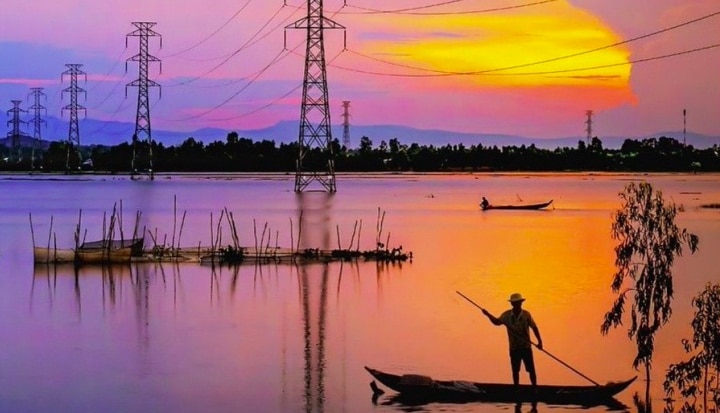
Next year, I will celebrate my 10th anniversary in the inclusive business community. Supporting the Asian Development Bank’s IB initiative in Manila in 2012, an amazing universe of thought leaders and pioneering companies, investors and policymakers opened up to me. Driven by the desire to achieve social impact beyond the single bottom line, they have […]
A Great Reset On Disability
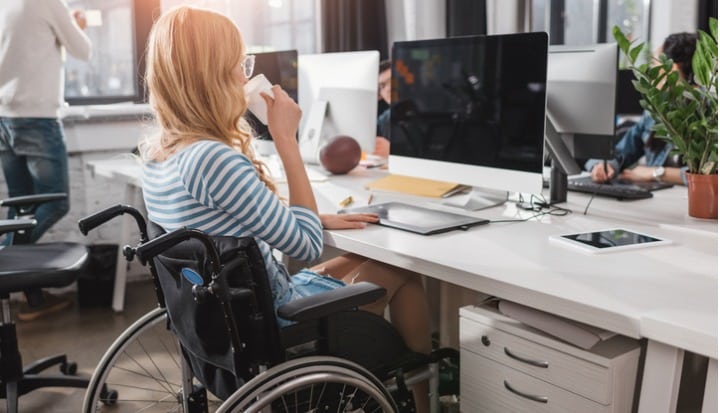
In the run-up to the International Day of Persons with Disabilities on December 3rd, David Grayson, who is a member of the Business Fights Poverty Circle of Advisers and the chair of the international, pan-disability charity Leonard Cheshire, argues that businesses and society need a “reset” on disability. Apparently, the Harvard economist and author Rebecca […]
The pandemic, supply chains and gendered impacts
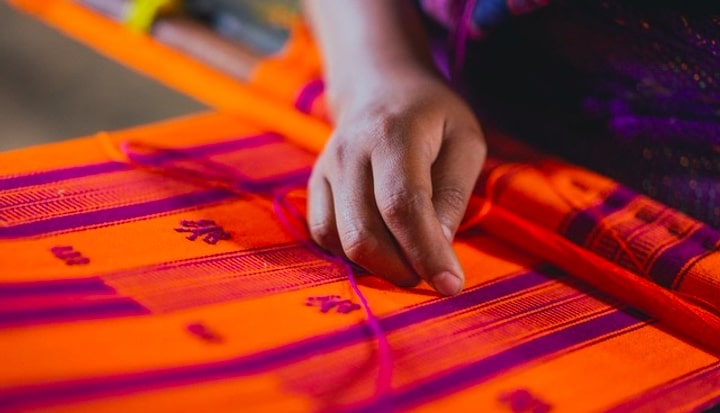
The Covid pandemic has had a profound impact on women across all dimensions of economic and social activity, finds briefing paper. From shifting gender roles in the household to the consequences on women’s roles within the economy to the health and well-being effects of the pandemic, the impact on women has been overwhelming. ISEAL, with […]
Sustainability systems in the next decade of action on business and human rights
We marked the ten-year anniversary of the UN Guiding Principles on Business and Human Rights in June. Adoption of the Principles was a landmark moment for the global human rights movement providing a clear framework that emphasised the complementary responsibilities of States and businesses in respecting and promoting human rights. In its recently released report taking stock […]
Addressing inequality is essential to building a sustainable food system
Transformation of the global food system is urgently needed if we’re to prevent climate and environmental breakdown, end hunger and food insecurity, and create a better future for the hundreds of millions of people whose livelihoods depend on food production. Making the UN Food Systems Summit in September a milestone event. To build a sustainable […]
Active Adaptation – making progress in an uncertain world

One year on from the launch of our report for sustainability leaders on ‘Bold Thinking, Brave Action’ and the world has fundamentally changed. The impact of the pandemic means businesses are dealing with a growing list of environmental and social challenges that are informed by public opinion and underpinned by economic and political volatilities. While […]
How to use the World Benchmarking Alliances’ social and just transition indicators
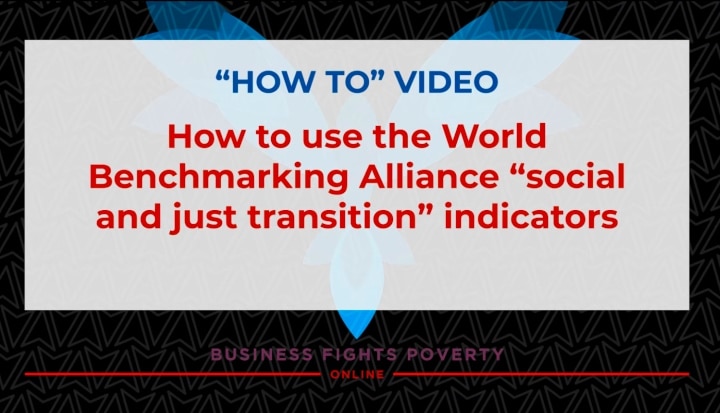
Charlotte Hugman is Leading Research on Climate & Energy at the World Benchmarking Alliance (WBA), and Sofía del Valle is Engagement Manager, Social Transformation, Gender and Human Rights at the same organisation. WBA develops transformative benchmarks that allow comparisons of companies’ performances on the Sustainable Development Goals. In this session, Charlotte and Sofía shared the […]
How to harness partnerships to drive system-level change
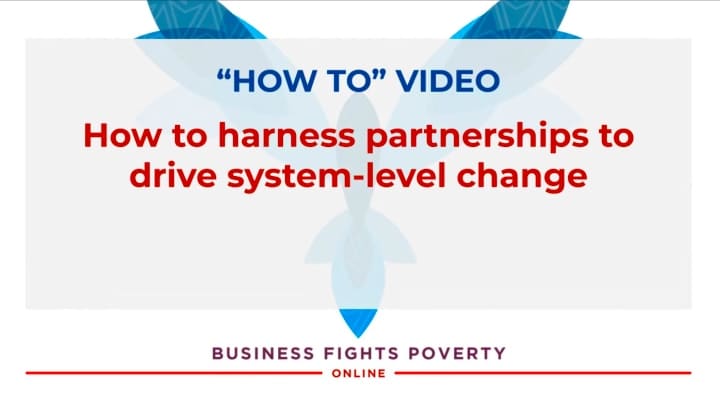
Laís Higashi is President of Litre of Light Brazil and One Young World Ambassador. Litre of Light Brazil is a social organisation that provides solar solutions to low income communities without adequate access to electricity. In this session, Laís explained why partnerships are critical for the initiative she leads and shared the practical challenges of developing system-level change. RESOURCES Litre […]
COVID-19 recovery: Why childcare must be part of the plan
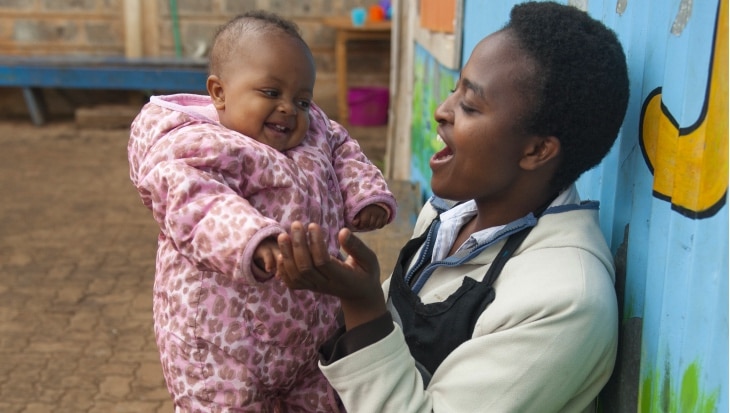
Dinnah, a mother of two living in one of Nairobi’s informal settlements, is among the millions of informal workers hit hardest by COVID-19. Before the pandemic, Dinnah earned a few dollars a day selling fruits and vegetables in the streets – barely enough to meet her family’s needs. After dropping her seven-year-old daughter off at […]
How to implement effective grievance mechanisms
Monica Romis is Private Sector Human Rights Advisor at Oxfam Business Advisory Service. Oxfam is an international organisation that works to end global poverty and to help build a world less divided by money, race, borders or gender. In this session, Monica speaks about grievance mechanisms, and references good practices that can help companies move […]
How businesses can – and must – step up to create just and regenerative food systems
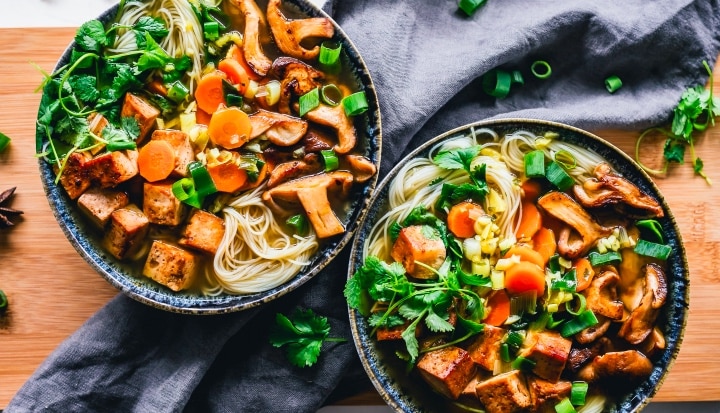
The United Nations Food Systems Summit heralds a season of landmark global decision-making, from the Committee on World Food security and climate COP 26 to the Nutrition for Growth Summit and next year’s delayed UN Biodiversity summit. What we all commit to in the coming months will set the change agenda for decades, and determine […]
Six Actions Businesses Can Take To Reduce Negative Impacts of Purchasing Practices on Human Rights
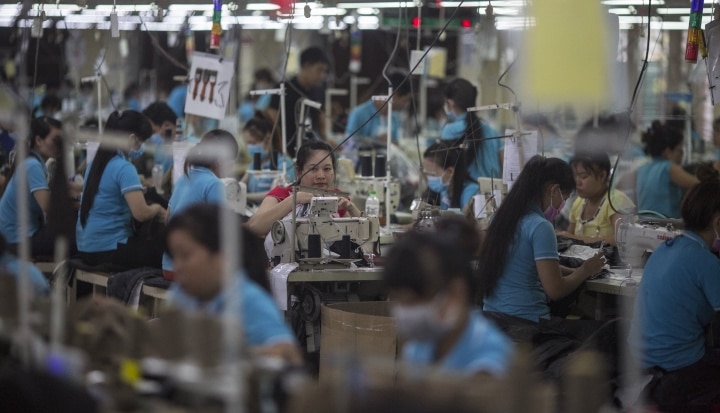
Companies’ purchasing practices can have a profound impact on human rights. Businesses are under mounting pressure to take responsibility for the wellbeing of the women and men working in their supply chains, with mandatory human rights due diligence legislation approved or underway in several countries. While Corporate Social Responsibility and sustainability teams are working hard […]
Living Wages: Lessons Learned from a Decade of Oxfam’s Work
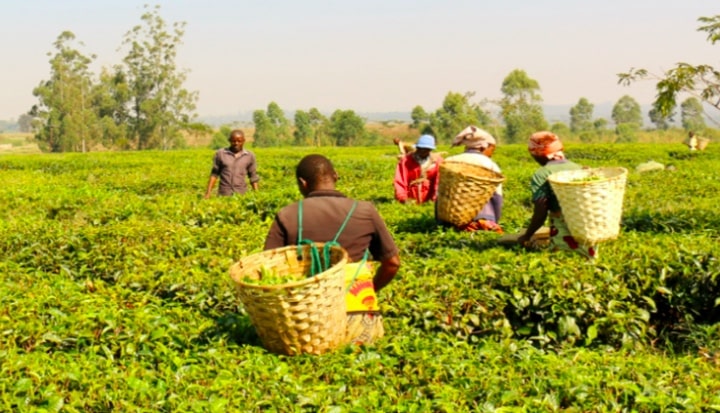
Living wage has been a key focus of Oxfam’s work on labour and human rights. We published a series of briefing papers that captured common challenges and promising solutions. Living wage has also been part of the scorecard indicators for Oxfam’s Behind the Brands and Behind the Barcodes campaigns. Importantly, we have worked with companies […]
The importance of ‘tri-partite’ partnerships between business, NGOs and government
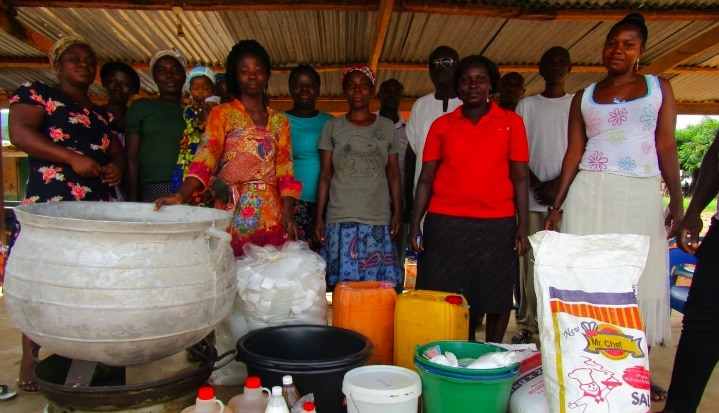
In the middle of 2020, Fairtrade and Mondelēz International expanded their existing partnership to include the UK Foreign, Commonwealth and Development Office (FCDO), winning a one year grant from the Business Partnerships for Global Goals (BP4GG) programme[1]. The three partners collaborated to launch the Cadbury Farmer Resilience Fund, designed to accelerate and deepen existing work […]
How to respond to gender inequality issues in global supply chains
Jiselle Steele is Private Sector Gender Advisor at Oxfam Business Advisory Service. Oxfam is an international organisation that works to end global poverty and help to build a world less divided by money, race, borders or gender. In this session, Jiselle explains what has been the impact of COVID-19 on inequality and gender gaps in […]
How to put intergenerational fairness into practice
Julie Jenson Bennett is Practice Lead for Intergenerational Fairness at the School of International Futures (SOIF), an institution that helps policy makers and business leaders to make their organisations future-ready. In this session, Julie explained why intergenerational fairness is important to business and how companies can put intergenerational fairness into practice. RESOURCES Intergenerational Fairness Observatory […]
4 Pillars for Rebuilding Better

Over half of young people think that humanity is doomed, according to a new climate change survey. Since I was born just over 50 years ago, global surface temperatures have risen faster than in any other 50-year period over the past 2,000 years. Clearly, my generation has a lot to answer for. At the same time, the pandemic […]
A Week of Inspiration and Insight at the Business Fights Poverty Global Summit 2021
It was inspiring to witness the extent of our collective energy and expertise at the Business Fights Poverty Global Summit 2021. This five-day event, held from 21-25th June, brought together over 80 speakers with more than 1000 registered participants to celebrate the successes of our members; share insights and lessons learned; and build our resilience. […]
Since the pandemic, many businesses have accelerated their strategies towards greater social purpose.

AB InBev is the world’s largest brewer with a mission to “bring people together for a better world”. One might consider this to be smart marketing to sell beer, but they are also letting their purpose do the talking with the creation of the AB InBev Foundation, an independent non-profit that is helping to advance […]
UK Aid Cuts Jeopardise Sustainable Development and Multi-Stakeholder Partnerships – Girls’ and Women’s Needs are At Risk
In May 1946, the first 20,000 CARE Packages arrived in France. These critical deliveries of basic supplies such as flour, soup, tinned meat and chocolate, helped feed families in post-war Europe. Around 400,000 had? arrived in Britain when we needed them most. Altogether, more than 100 million CARE Packages were packed and shipped to Europe, […]