What will the Modern Slavery Act Achieve?
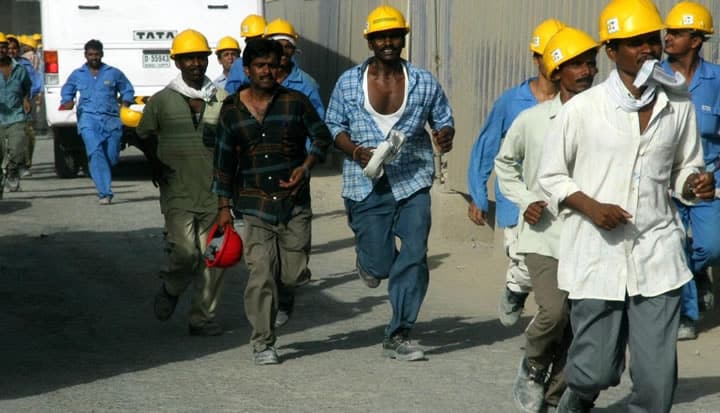
This March saw the passing of the Modern Slavery Act in UK parliament. It includes a transparency in supply chains clause requiring large companies to publish an annual public statement on modern slavery. This should detail evidence of what actions they have taken to eliminate the risk and presence of in their business or supply […]
Harnessing Value Chains: Bring the Rights Back In
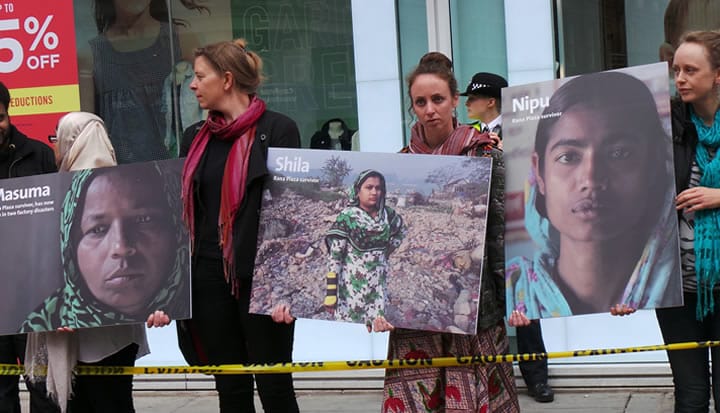
How can we harness supply chains for the SDGs? Bring the rights back in. With the September Summit on the Sustainable Development Goals fast approaching, the years of wrangling over goals, targets and indicators has now reached fever pitch. Throughout, a consensus has endured that business has a crucial role. In order to deliver a […]
Harnessing Value Chains: Hand in Hand’s Experience
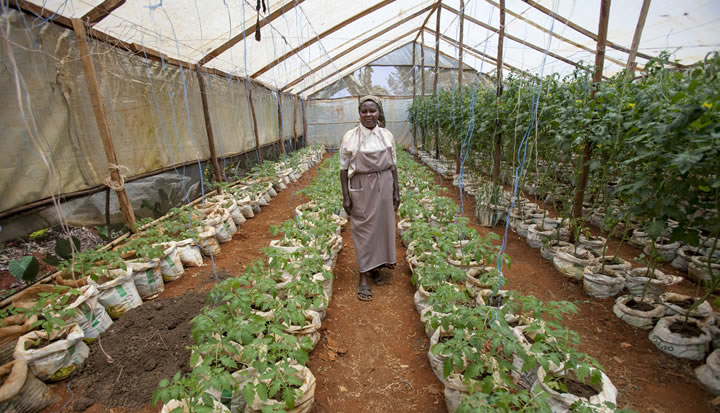
We see more companies recognising that they can make a contribution to wider economic, environmental and social progress and starting to adapt the way they do business. That is great, and is essential. But it is not enough. We have also to unlock the potential of poorer people, particularly women, to seize these opportunities. Hand […]
Collaborating to Enhance Women’s Business Skills
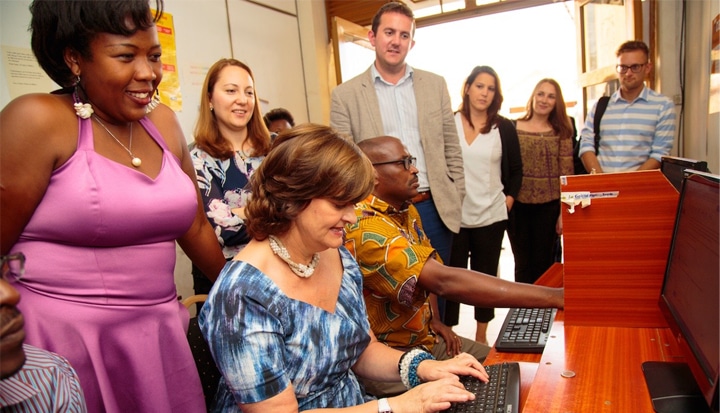
Cherie Blair, Sevi Simavi and team with Yvonne at her cyber cafe. Credit: William Hirtle/Cherie Blair Foundation for Women. After surviving the Rwandan genocide 21 years ago, Yvonne worked hard to rebuild her life. She now runs a busy cyber café on a bustling street in Kigali. She set up this business in 2011 and, […]
On Business, Human Rights and Globalisation

As we release our first Human Rights report, Professor John Ruggie argues that caring for people and planet, in addition to being the moral imperative of our time, must become a core business mission. The issue of business and human rights is not new. After all, the slave trade involved businesses; governments were complicit; and […]
Boosting the Livelihoods of Dairy Farmers
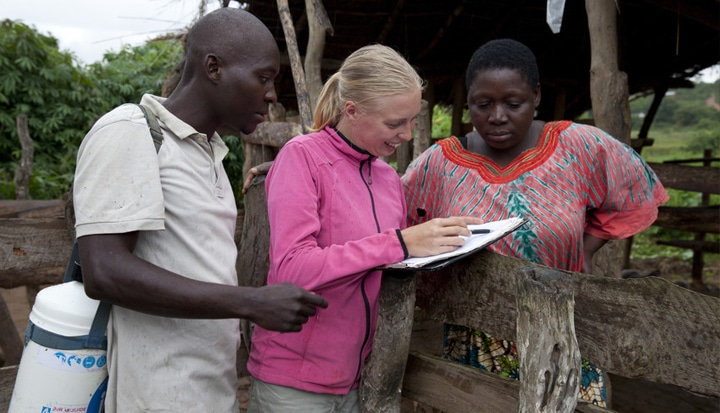
The final report looks at a five-year market development project in Malawi, funded by Accenture that finished in 2014. The project addressed the bottlenecks and opportunities in the dairy industry in Malawi, where inefficient smallholder production (which accounts for 80% of the domestic milk supply) is contributing to the fact that Malawi has the lowest […]
Ghana Cocoa Growers Trained for Secure Future
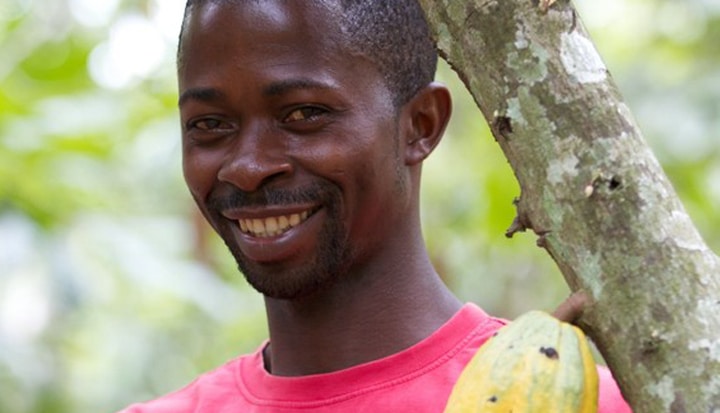
The third report in VSO’s Producing Progress series looks at VSO’s role in Mondelēz’s Cocoa Life Programme. The series hopes to help us and others continue to improve livelihoods and strengthen the private sector in developing countries. The Cocoa Life initiative aims to support the cocoa-growing communities in Ghana that supply the global chocolate company. […]
Readying Young People for a New Jobs Market
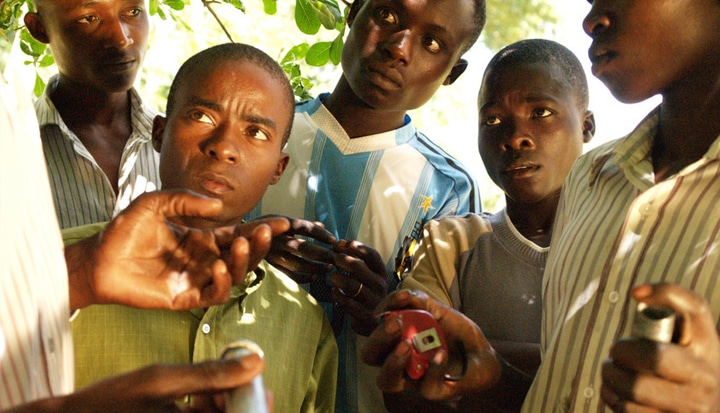
The second report in VSO’s Producing Progress series looks at a programme based in Tanzania: Enhancing Employability through Vocational Training (EEVT). The reports draw out lessons from a variety of programmes, including those that improve employment opportunities, strengthen markets for smallholder producers and align skills needs with supply. The EEVT project, started in 2012, is […]
Centres of Excellence Boost for Future Jobs
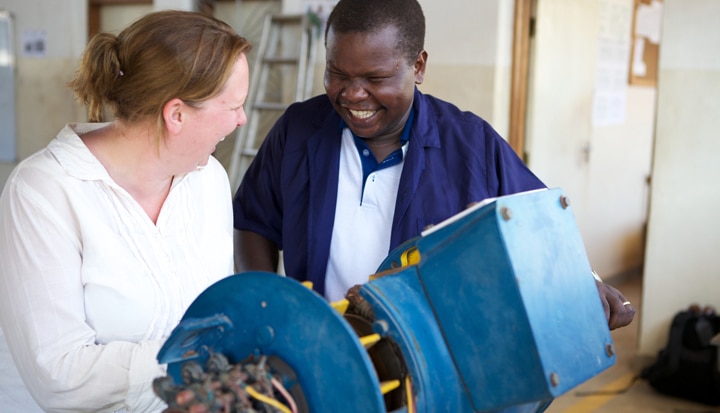
The first report in VSO’s Producing Progress series focuses on a programme in Kenya that tackles inequality through improving the provision of skills for entrepreneurship for marginalised groups, youth and women in particular. The reports draw out lessons from a variety of programmes, including those that improve employment opportunities, strengthen markets for smallholder producers and […]
Framework for Financing Global Priorities

Meeting today with CEOs, heads of state and ministers at a forum on the sidelines of a global finance summit, Secretary-General Ban Ki-moon called on the corporate community “to be our partners in supporting and financing this agenda.” The call came on the second day of a global conference on “financing for development”, tasked with […]
Scaling Financial Inclusion for Micro-Enterprises
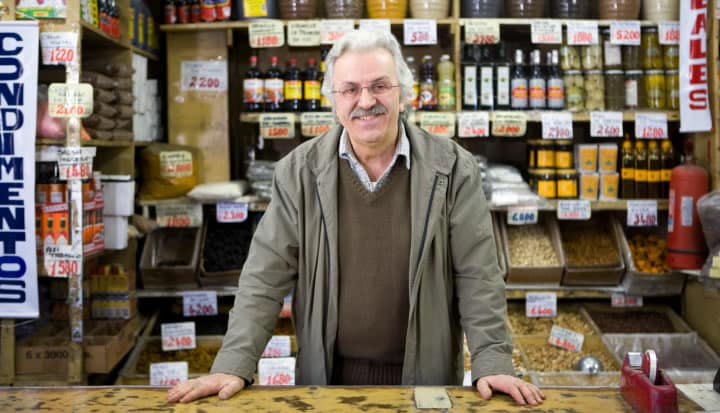
As world leaders gather in Addis Ababa to consider how to finance and deliver the new Sustainable Development Goals (SDGs), a recent dialogue in London attended by businesses, donors and civil society, has identified seven key actions to increase financial inclusion for micro-enterprises. Increasing finance to small businesses is an important priority for the Financing […]
Blended Finance Initiatives in Support of SDGs
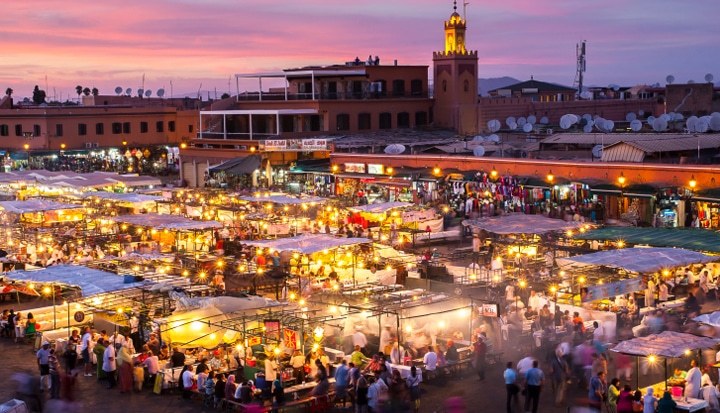
The World Economic Forum and the Organisation for Economic Co-Operation and Development (OECD), through the work of the Forum’s ReDesigning Development Finance Initiative (RDFI), will formally announce three Blended Finance initiatives aimed at unlocking hundreds of billions of dollars of investment to help meet the United Nations Sustainable Development Goals (SDGs). Blended Finance seeks to […]
Unlocking Domestic Resources in Developing Countries
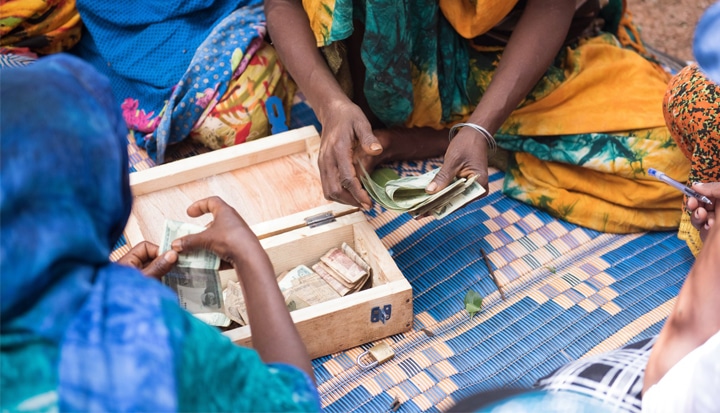
Photo Credit: CARE The Financing for Development Conference in Addis Ababa from 13 to 16 July could be a key moment to build a framework for financing the work needed to eradicate poverty by 2030, and so build confidence for the effective pursuit of the Sustainable Development Goals and for a fair and ambitious climate […]
Complementary Public and Private Finance Sources
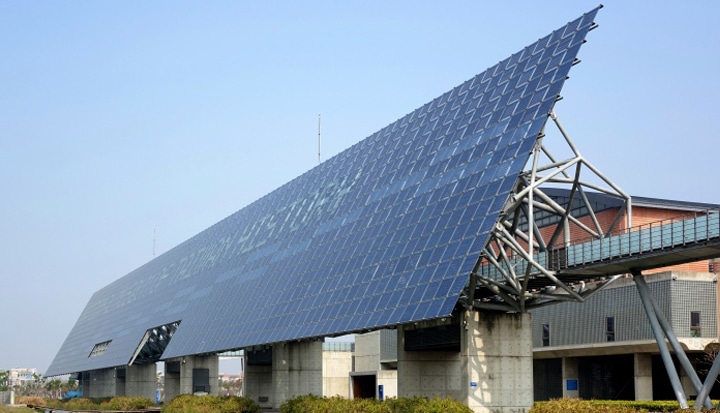
Interview with Krishnan Sharma, Senior Economic Affairs Officer in the Financing for Development Office at the United Nations Department of Economic and Social Affairs The scale of the need for sources of finance to fund infrastructure, education and financial inclusion, means that once proscribed roles for the public and private sector in financing development have […]
Is Pakistan Really Open for Business?
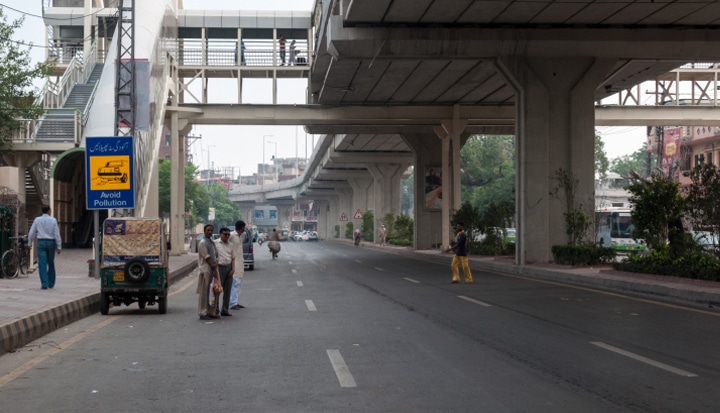
After my first trip to the country last week, I’d say a resounding yes. And I’d also say that in the long-term, it’s business that will lead Pakistan to prosperity. But that means investment – and, despite the country’s impressive progress in recent years, international investors in Pakistan are in short supply. The Economist recently […]
Doing Good for Children is Good for Business
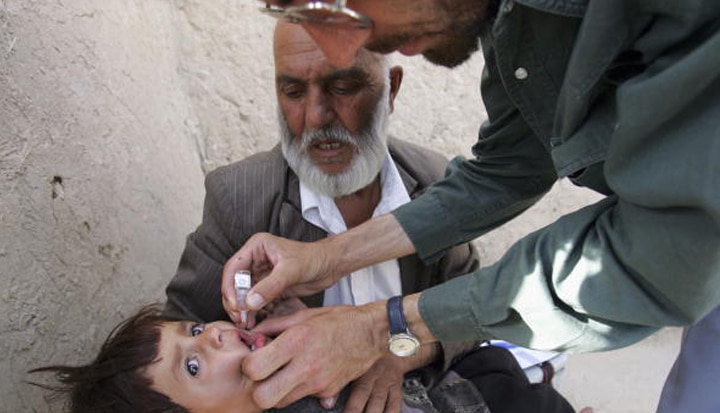
Lack of access to basic services such as water and sanitation, education and healthcare today prevent millions of children from surviving and realising their full potential. Combating the enormous threat these inequities pose to the wellbeing of children all over the world is a huge task and one that needs innovative ideas and solutions from […]
Ending Poverty Through Trade
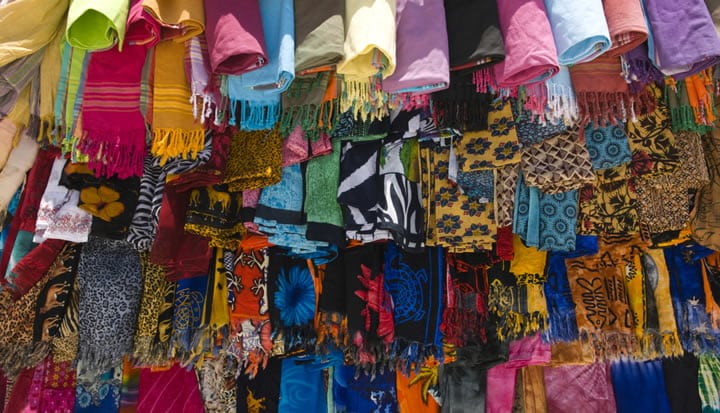
How free trade can bring prosperity to people across the world. The playwright George Bernard Shaw once wrote that poverty is “the greatest of evils and the worst of crimes.” While Shaw penned those poignant words more than a century ago, the reality is that too many people still lead lives filled with hunger and […]
To Change the World We Must Change Ourselves
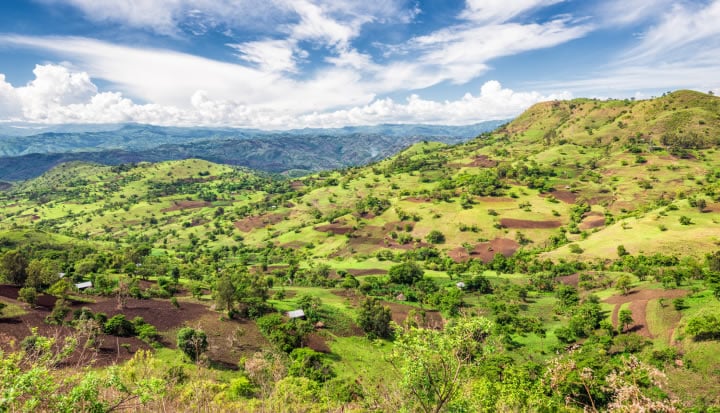
The Mediterranean sea has become a graveyard for Africa’s youth. Every day, we see images of what would appear to be a continent racked by conflict and poverty, and people risking – often losing – their lives in an attempt to flee . Yet Africa has 11 of the 20 fastest growing economies in the […]
Building a Grid-free Future with Limitless Potential
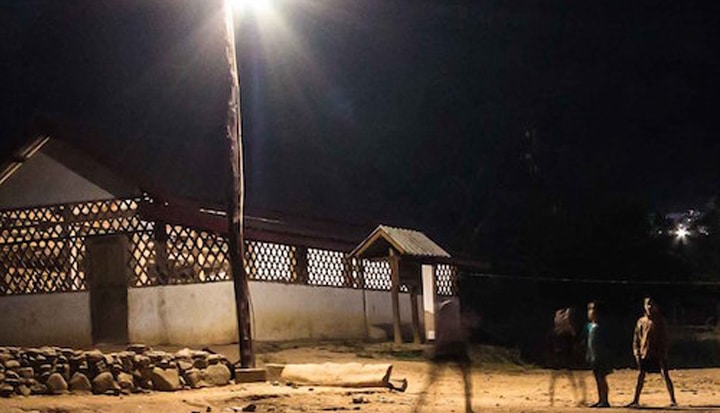
When we launched our “Going Off Grid” series last year on NextBillion, we were optimistic about the future of off-grid energy investment. At that time, the IFC-World Bank’s Lighting Africa Program predicted that Africa will become the world’s largest market for clean off-grid lamps, with up to 140 million people having access to better lighting […]
What are the Principles for Responsible Investment?
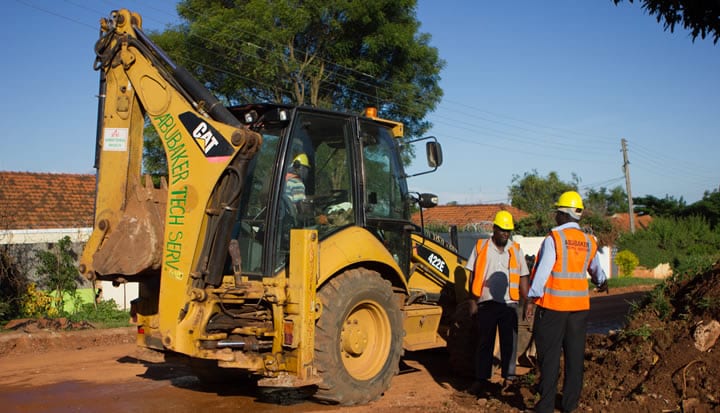
Responsible investment is an approach to investment that explicitly acknowledges the relevance to the investor of environmental, social and governance (ESG) factors, and the long-term health and stability of the market as a whole. The United Nations-supported Principles for Responsible Investment Init… is an international network of investors working together to understand the implications of […]