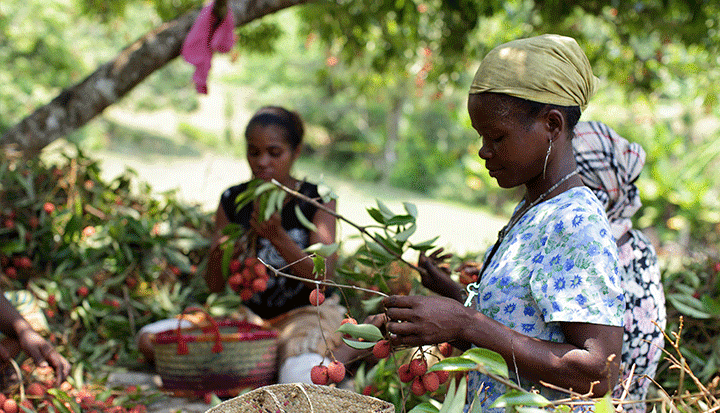
What Businesses Need to Know About the SDGs
The UN General Assembly held its regular meeting in New York this fall. But this year its purpose was different – and with significant implications for the future of the human condition. More than 190 member countries committed to “eliminate poverty in all its forms everywhere” by 2030, together with 16 other “big, hairy, audacious […]
3 Ways to Make Your Supply Chain More Climate Resilient
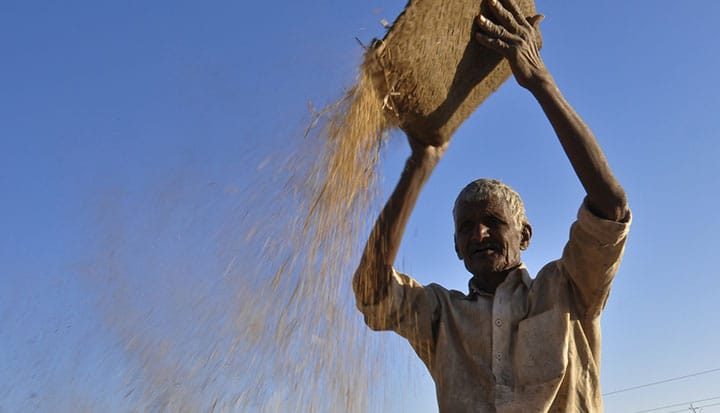
Your business sells products that depend on agricultural commodities. You have built a great brand, you have a loyal and expanding customer base and great relationships with your providers. But is your supply chain really sustainable? Can climate change affect your business? Most of the debate and focus in Europe and the US has been […]
Climate Action Opportunities: An Industry Lens

By Serena Brown, KPMG International As the great and the good met in Paris to reach an historic international climate change agreement, we saw a flurry of announcements from businesses. These included collective calls to action, individual and collective commitments, and a multitude of new multi-stakeholder collaborations to accelerate the transition to renewable energy and […]
Global Goals Could Trigger a Burst of Innovation

Leaders from 193 nations are converging on New York for the U.N. General Assembly. They are expected to adopt the sustainable development goals, which are not short on ambition. Beginning with a goal to “end poverty in all its forms everywhere,” they cover gender equality, food security, peace, health, clean water and sanitation, sustainable cities, […]
Responsible Taxation is Key to Financing SDGs

The Sustainable Development Goals (SDGs) have been estimated to require an additional $2.5 trillion a year of financing in developing countries. Matti Kohonen, PhD, describes how responsible tax behaviour by businesses, supported by investors, forms a critical part of ensuring that taxes are fairly paid and accountably used to fight poverty. The UN’s Sustainable Development […]
Enabling SME Adaptation to Climate Change
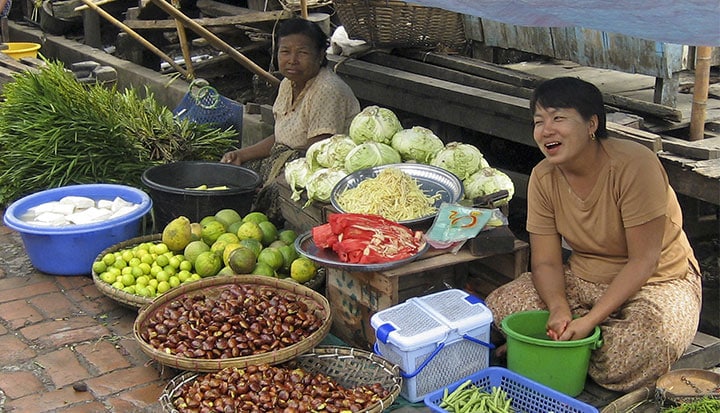
Ismail Faisov tends a farm in the mountainous Dashtijum Jamoat region in Tajikistan. Dashtijum Jamoat is rich with indigenous fruits and legumes that have become naturally resilient to drought, cold weather, diseases, and other environmental stresses. For a number of reasons though, Ismail did not cultivate these traditional species, choosing instead to sell imported cultivars […]
The Boon and Bane of Index-Based Weather Insurance
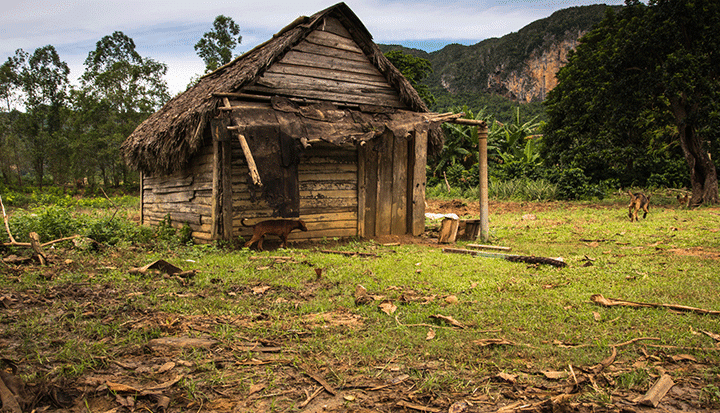
After the enthusiasm on microcredit has somewhat faded over the past few years, the next microfinance revolution in the form of index-based microinsurance is well underway. In this blogpost we will take a closer look at the index-based approach to insurance and highlight some of its advantages as well as some of its challenges. Insuring […]
Innovative Insurance Models for Risk Reducing Behaviour
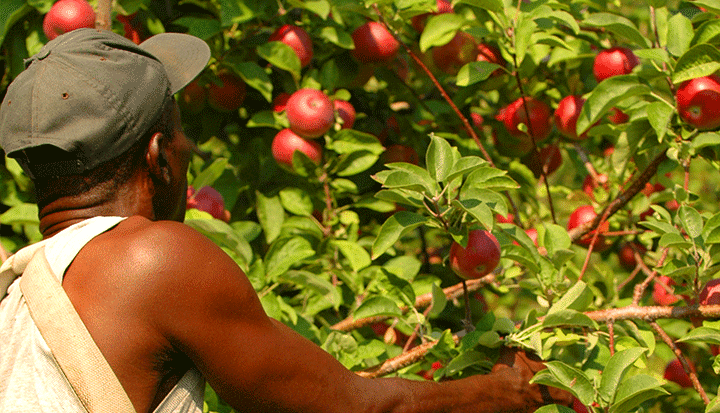
Source: CCAFS and CGIAR Losses and damages of weather-related disasters are increasing In the face of climate change, BoP communities in many developing countries are becoming increasingly vulnerable to the risks posed by extreme weather and climatic events. Climate change-related impacts affect agricultural productivity, weaken water and food security, increase the incidences of diseases, and […]
Making Smallholder Farmers Climate Proof
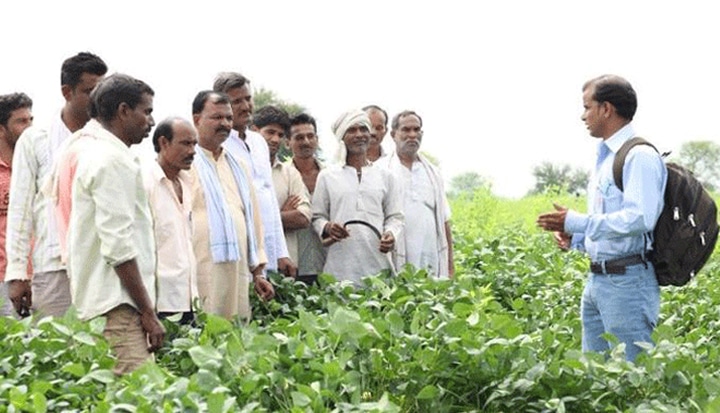
Training of smallholder farmers by BASF in India (Credit: BASF) An estimated 1.5 billion people directly depend on agriculture for their income with smallholder farmers responsible for almost 80% of all food consumed in the developing world. Agriculture is the biggest industry sector in the world – and one that is highly sensitive to changing […]
Responsibility Does Not Stop at Company Gates
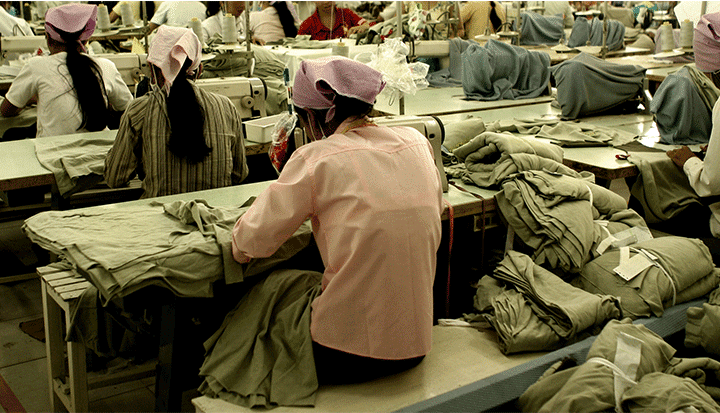
adelphi has been working with private sector actors on climate change adaptation around the world for more than 5 years now. In our projects, which we conduct for various partners, we often observe advances in the field of adaptation that are surprising to development practitioners. For example, for the Private Sector Adaptation to Climate Change […]
Market of Climate Resilience: Protection & Conservation
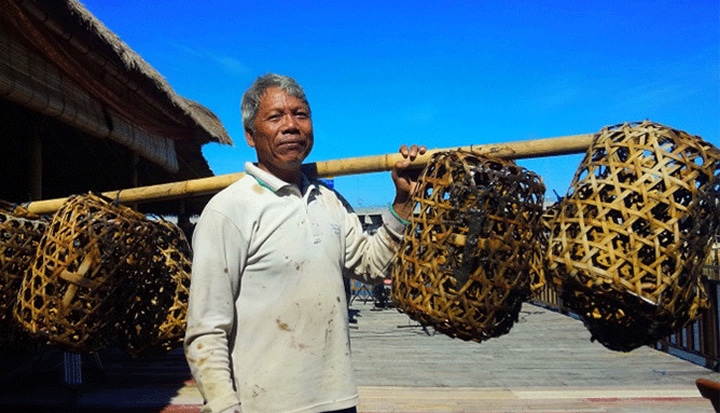
Members of the Wansari Fishermen’s Association in Indonesia use enviornmentally friendly bamboo pens for crab cultivation in the mangroves (Credit: Kampoeng Kepiting) The tourism sector grows fast, especially in developing countries Tourism is one of the fastest growing industries worldwide. In 2012 alone, 1 billion tourists travelled across borders compared to 25 million in 1950. […]
Market of Climate Resilience: Protection & Conservation
Members of the Wansari Fishermen’s Association in Indonesia use enviornmentally friendly bamboo pens for crab cultivation in the mangroves (Credit: Kampoeng Kepiting) The tourism sector grows fast, especially in developing countries Tourism is one of the fastest growing industries worldwide. In 2012 alone, 1 billion tourists travelled across borders compared to 25 million in 1950. […]
Increasing Climate Resilience of BoP Communities
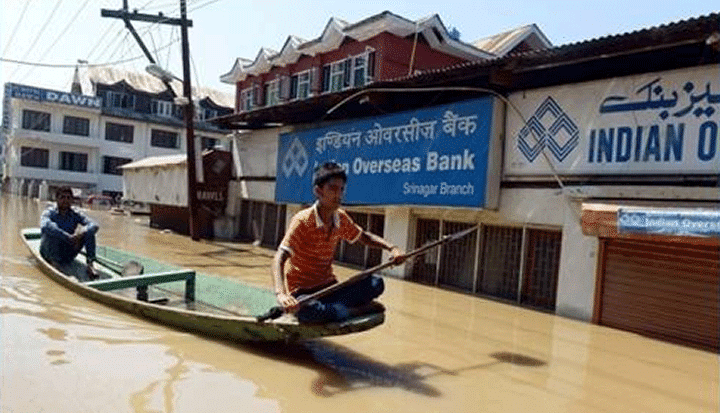
Since Monday, November 30th, 2015, representatives from over 190 countries gather at the 21st United Nations Climate Change Conference in Paris (COP 21) with the imposing goal of developing a legally binding and universal agreement on climate to succeed the Kyoto Protocol. While the agreement to limiting the global temperature increase to less than 2°C […]
Regional Integration: ‘If You Build It, They Will Come’
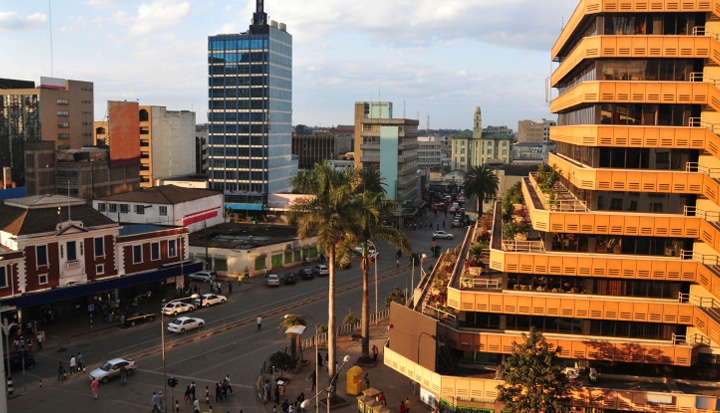
Sub-Saharan Africa trades with itself far less than it does with other regions of the world, but intra-regional economic integration could be a way to drive job creation and inclusive growth. When DHL found that the roads through Northern Nigeria linking the economic and political hubs of Lagos, Abuja and Port Harcourt to the Cameroonian […]
Africa’s Resource Governance in Flux
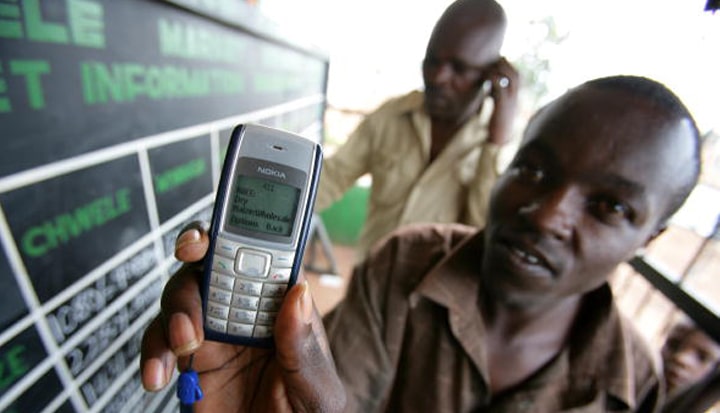
A fall in the prices for several of Africa’s major export commodities has created short-term headwinds for many economies. How weaker export earnings will impact on resource management and transparency will, however, have a far longer-term impact. For all that Africa’s new narrative of growth is driven by discussions of its demographic potential and consuming […]
Bringing Smallholders into The Global Market
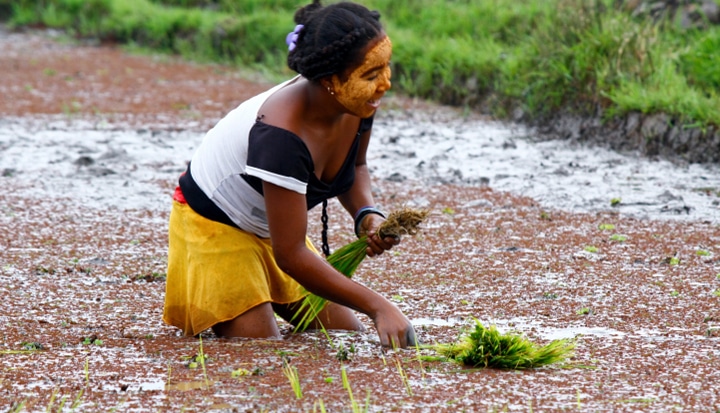
Investing in smallholders has the most immediate impact on poverty reduction and employment in Africa, but how can larger businesses bring smallholder development into their business models? Smallholder farmers produce the majority of Africa’s food, and the sector as a whole is responsible for the greatest number of jobs in the continent by far. At […]
Local Content Regulations: Lessons Learned

Local content regulations are likely to remain firmly in place across the continent, as governments struggle to find an answer to their demographic challenges. Year-by-year, Africa’s oil producing club is becoming less exclusive, as discoveries in the Gulf of Guinea, the Horn of Africa and the Indian Ocean excite investors. However, in development circles these […]
Leveraging Supply Chains to Deliver Sustainable Development

Consumer goods companies are increasingly looking to leverage their supply chains to deliver broad-based, sustainable development in emerging markets. Pier Luigi Sigismondi has a straightforward explanation for why his company is focusing on sustainability throughout its operations and its supply chains. “It’s about doing the right thing by our planet and our people because you […]
Cashless Africa: The Barriers to Mobile Inclusion
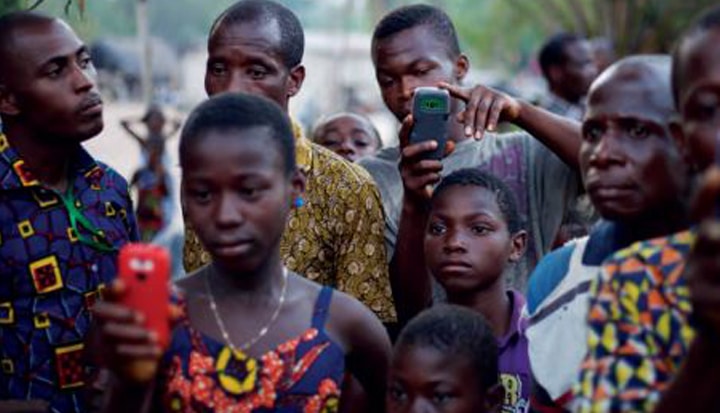
Interoperability and innovation in mobile wallets are likely to drive the next wave of financial inclusion in Africa. Africa runs on cash. An estimated eight out of 10 transactions on the continent takes place in paper currency; only 34 per cent of adults have a bank account, and only 16 per cent have any formal […]
Supporting Rural Employment in Madagascar