Creating Business Value through Improved WASH
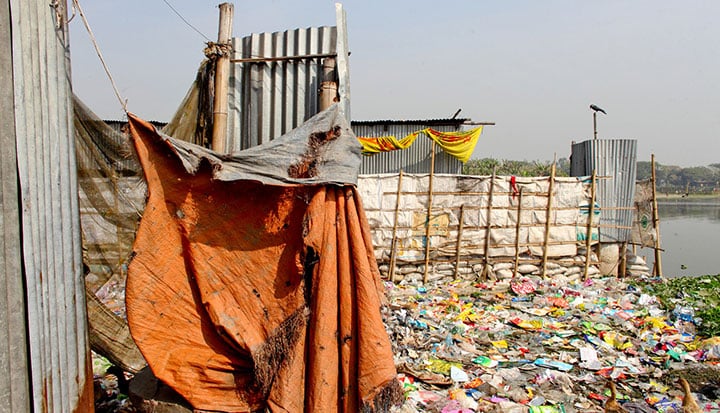
Businesses need to do more to understand the impact of poor water, sanitation and hygiene (WASH) in their own supply chains, as well as the impact that their water and sanitation usage has on the cities and towns in which they operate and on the sometimes water-scarce regions in which they are located. These were […]
One Year of Inclusive Business Models in Bangladesh
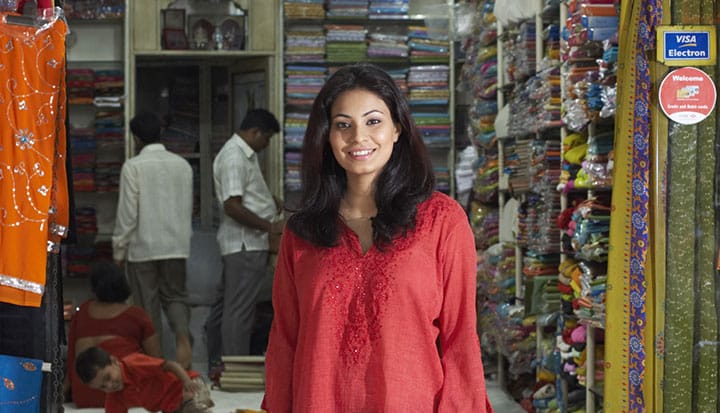
Six Inclusive Business (IB) models dedicated towards SRHR were launched on the 25th August, 2016. In the last one year, the project has relentlessly worked to establish a sustainable solution to the Sexual and Reproductive Health and Rights (SRHR) of 3.5 million female Ready Made Garments (RMG) workers. In the continuous effort to improve lives […]
Access to Finance and Women’s Economic Empowerment
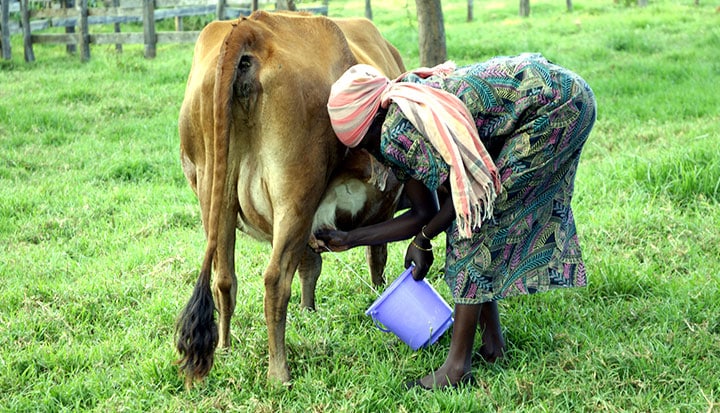
Cherie Blair Foundation Case Study on Women’s Economic Empowerment In 2014 the Cherie Blair Foundation for Women partnered with Accenture and CARE International to promote the long-term financial independence of Rwandan women, by providing a combination of mentoring, training and improved access to financial services. Financial inclusion is a deeply gendered issue in Rwanda, where […]
Brexit – What Does It Mean for Fairtrade?
Negotiating our way out of Europe will be a tough and lengthy process. Nobody can predict the exact outcome of the Brexit negotiations, but it is possible to identify those people that could be affected and build scenarios showing how they could be affected. This blog outlines how Fairtrade certified farmers could be affected by […]
Banking on Social Innovation
Caroline Anstey, Global Head of UBS and Society and former Managing Director of the World Bank, spoke to Adam Lent, Ashoka’s European Director of Research and Innovation, about a revolution in finance that currently is driving social change. Caroline believes firmly that the financial sector can drive social change by becoming more open as a […]
Virtuous Circle: Increasing Productivity and Fighting Poverty
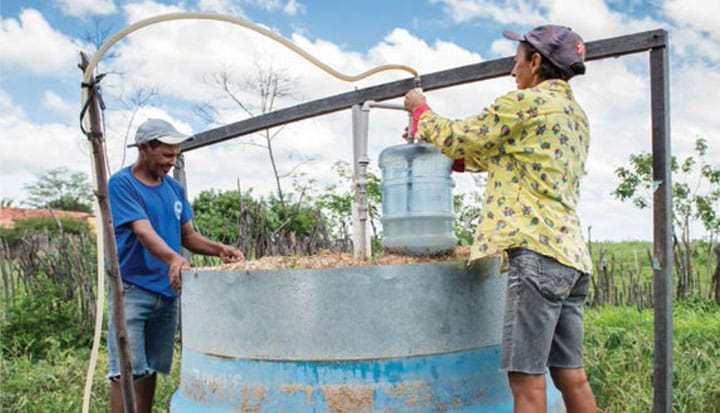
What do engine manufacturer Rolls Royce, shipping company Maersk and Kenyan toilet provider Sanergy all have in common? All three are using the circular economy concept to increase their productivity. In Sanergy’s case, they use the waste from their network of high-quality, low-cost toilets in the slums of Nairobi to produce agricultural inputs and energy. […]
How the Mobile Phone is Enabling a New Social Enterprise Economy
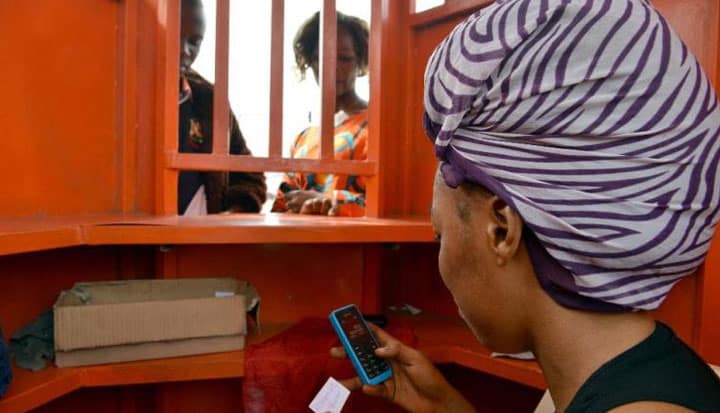
Do you remember that old mobile phone that you traded in years ago? Chances are, your phone may be helping power a new social revolution for millions living in poverty around the world. Most of the phones in use have only basic call and texting functions. But that is enough to enable mobile business models […]
IDB’s SCALA Program Shares Lessons on Engaging Micro-distributors
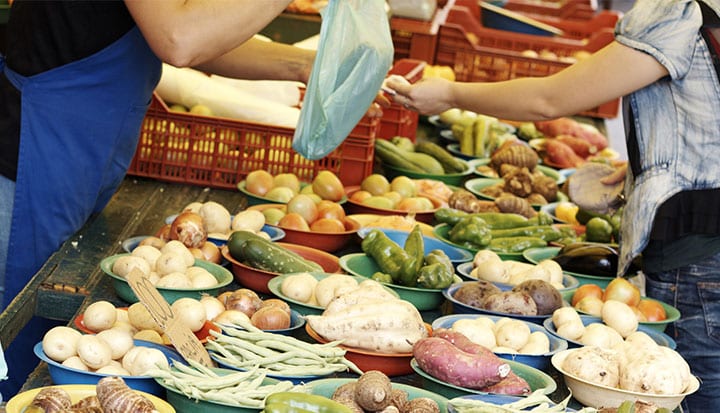
Small-scale retail, or what is often called the “traditional trade” is essential to reaching low-income consumers. The thousands of shops, kiosks, or tiendas that line the streets in many developing countries often account for the majority of retail sales and are the face of brands in most low-income communities. Although many companies, particularly in the […]
Supporting SME Growth through Innovation and Partnership
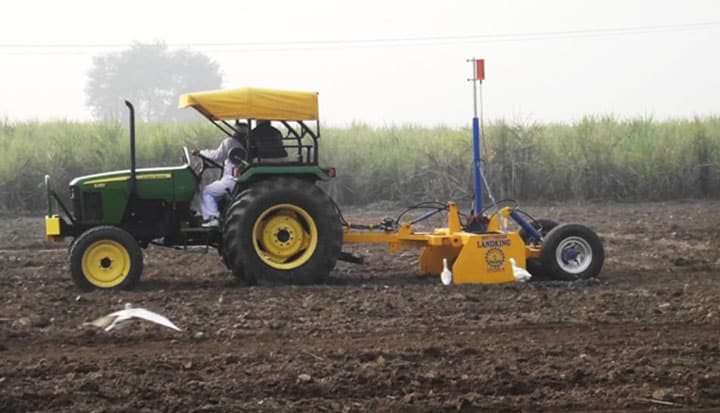
This week Connect to Grow launches its first public report ‘Supporting SME growth through innovation and partnership’ – a review of the landscape. The report provides a baseline for what is currently known about the role of innovation and partnership in SME growth. But it is much more than a literature review. It also draws […]
Words and Actions: Lessons from Unilever's Supply Chain
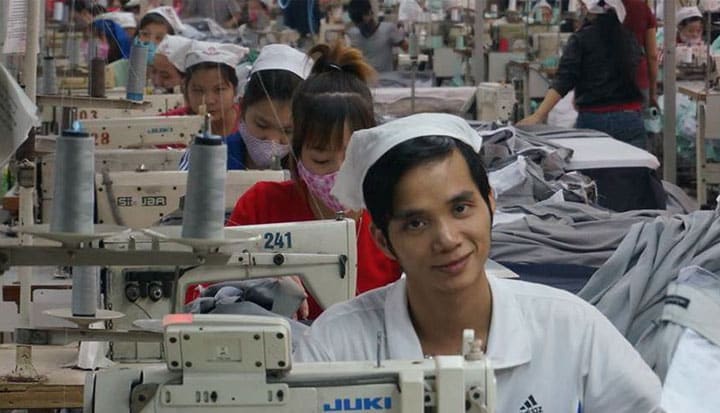
‘You are what you do, not what you say you’ll do’ (C.G. Jung) Why did Unilever open itself up to scrutiny? The new Oxfam Unilever progress report on labour rights in Vietnam is out. Unilever has provided Oxfam with all the necessary information to assess its performance on labour rights in practice. If Unilever were […]
Building the Social Enterprise Eco-System in Thailand
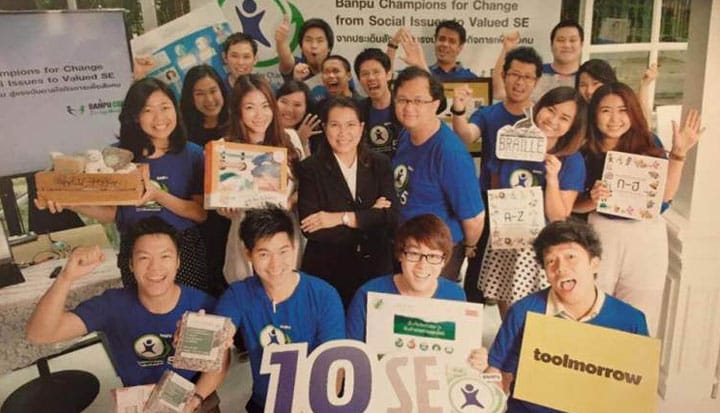
In South East Asia, 95% of coral reefs are endangered. In Thailand the richest quartile of the population own around half of the country’s income, whilst the poorest quartile have less than 10%. Only 38% of the population are educated to a secondary level and social and environmental problems are rife. The Thai Social Watch […]
Access to Finance, Gender Bias and Climate Change Resilience for Smallholders
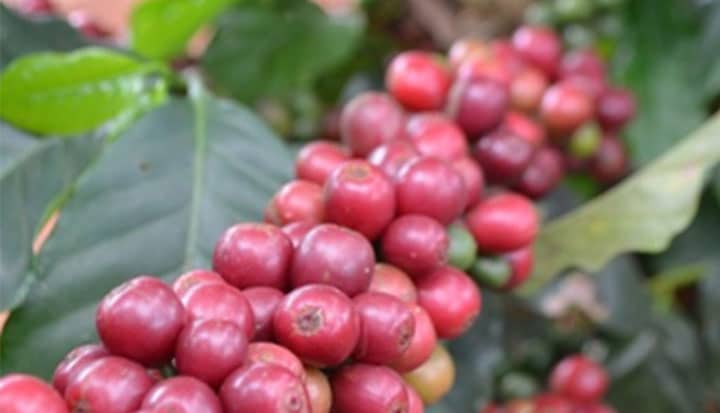
Olam expands on lessons learned from 5 years of the Olam Livelihood Charter Despite extensive progress being made under its Livelihood Charter, global agri-business Olam predicts that smallholder productivity across Africa, Asia and South America will still be massively hindered by lack of access to finance, equality for women and climate change impacts, unless far […]
The 2016 SDG Business Forum – A Recap
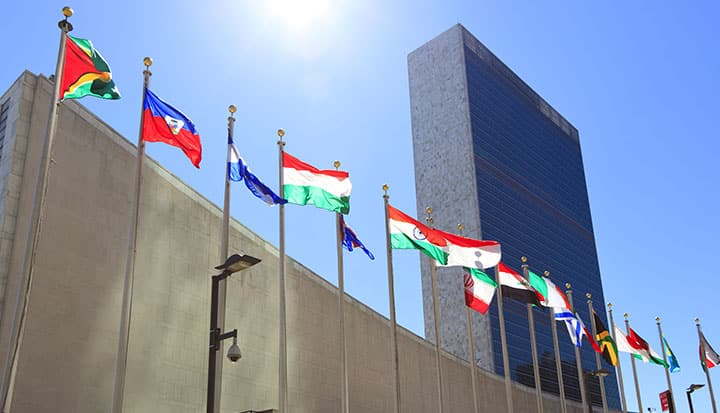
The High-level Political Forum on Sustainable Development held from July 11-20 2016 at United Nations Headquarters in New York is an annual platform for reviewing progress and guiding global efforts on the achievement of the Sustainable Development Goals (SDGs) by 2030. During the first HLPF oriented towards the SDGs, the global business community was present […]
Sustainable Business and Sustainable Development – Two Sides of the Same Coin
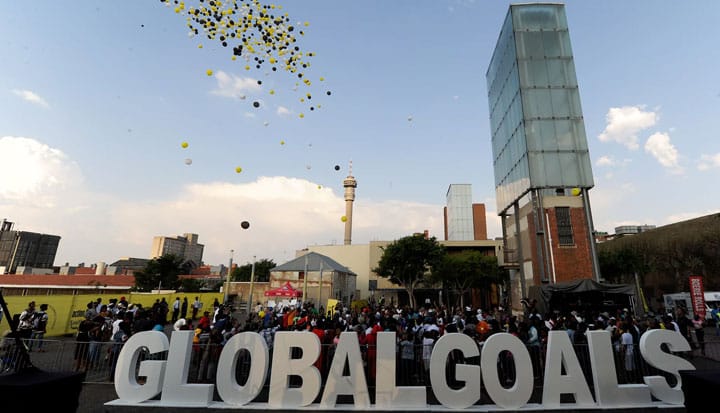
Bhaskar Chakravorti explores how achieving the sustainable development goals is dependent on global business taking a leading role, but equally, the SDGs will help business orchestrate action. The UN General Assembly committed to “eliminate poverty in all its forms everywhere” by 2030, when it met in New York last year. The Sustainable Development Goals (SDGs) […]
Big Opportunities and Inspiring Examples on World Hepatitis Day
A few years ago I had the privilege of leading a team of highly committed health professionals to provide healthcare services to some of the most marginalised people in our world: rural communities in South Sudan who were enduring immeasurable suffering from the 22 year civil war and ongoing ethnic conflicts. We trained nurses, midwives […]
How Can Sustainable Development Remain a Priority?
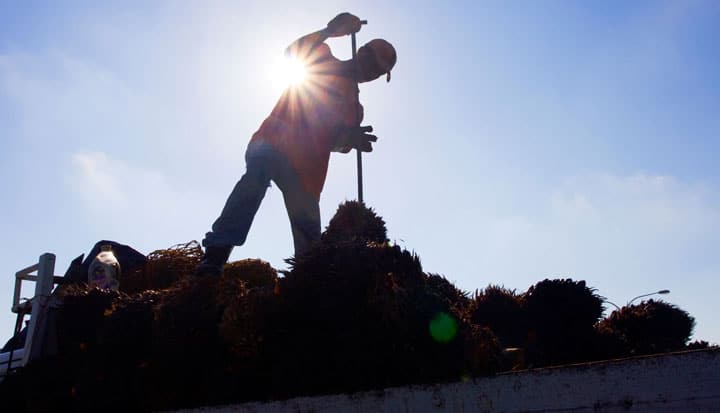
Bhaskar Chakravorti explores innovation in sustainable development amid Brexit, anti-globalisation and a worldwide slowdown. The summer is heating up with reminders that the first anniversary of the launch of the2030 Agenda is not far – and when it comes to implementing sustainable development worldwide, time passes rather quickly. The high level political forum (HLPF) on […]
Helping Companies Create Positive Outcomes, Step-by-Step
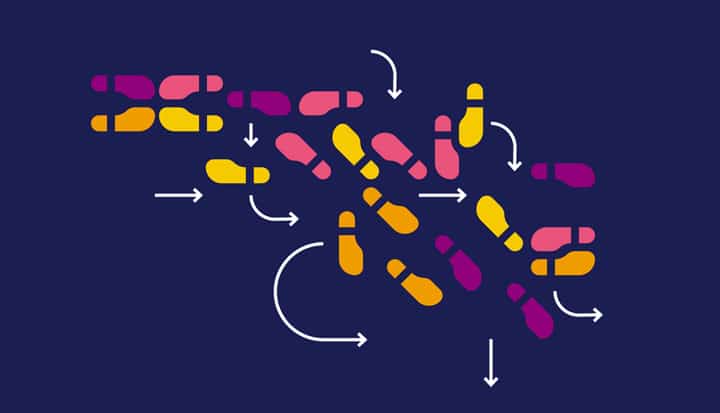
“All corporations seek to differentiate themselves and look for new ways to create value. But when many traditional routes have been exhausted, how does an organisation change the way it does business?” This fundamental question is at the heart of the recently released Practitioner’s Guide: Steps to Corporate Investment, Innovation, and Collaboration (now available in […]
Labour Rights in Unilever’s Vietnam Supply Chain
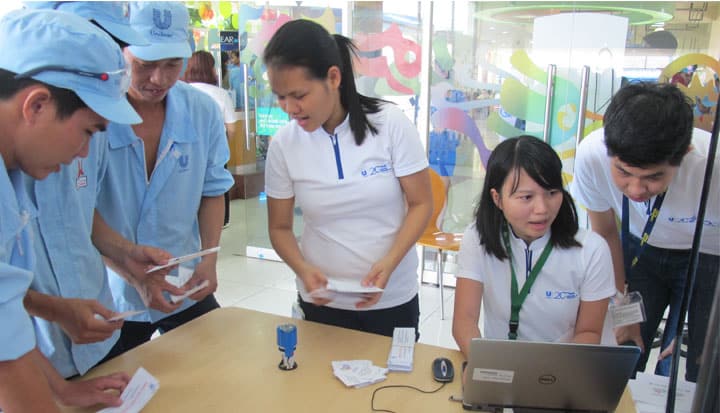
Rachel Wilshaw, Ethical Trade Manager for Oxfam, introduces their latest report on labour rights in Vietnam, a unique study done in conjunction with Unilever. Five years ago, Oxfam and Unilever agreed to an unusual study. Unilever opened up its business so Oxfam could understand how it managed labour rights, and what this meant for workers […]
Socio-cultural Interventions to Increase Women’s Access to Finance
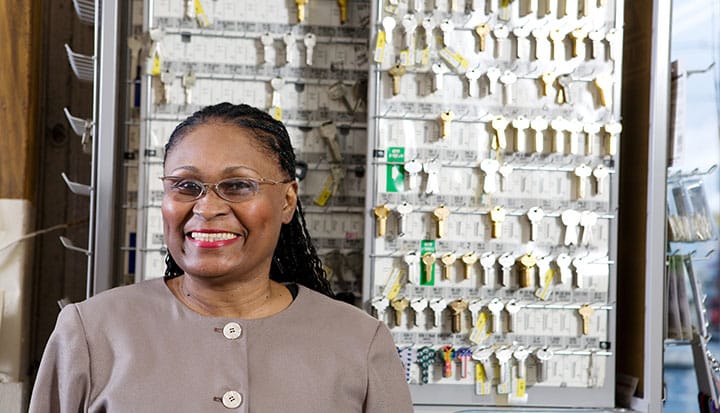
By now, we know that women – especially in the developing world – have less access to finance than men. Business has an important role in levelling the playing field through interventions aimed at easing constraints on the demand-side (awareness of financial products or business and literacy training), the supply side (designing financial products and […]
Unleashing Inclusive Business for the SDGs

On 5th June 2016, Business Call to Action (BCtA), in cooperation with The Partnering Initiative (TPI), SNV Netherlands Development Organization, UNDP Bangladesh and Business Fights Poverty hosted an exclusive invite-only event introducing Inclusive Business in Bangladesh to achieve the Sustainable Development Goals – a part of the 2030 Agenda for Sustainable Development. The primary objective […]