Bringing Business Back Home: Biomass Energy of Sri Lanka
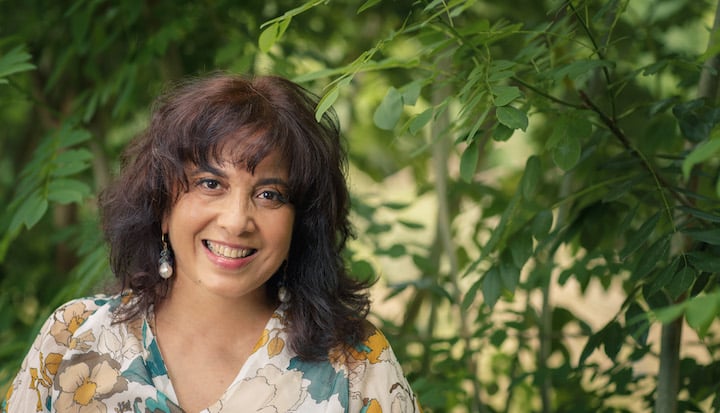
In 2006, my London-based publishing house, Dakini Books, published the critically acclaimed ‘Global Warning – The Last Chance for Change’, Paul Brown’s fact-based book on climate change and its consequences for the planet and humanity. This book gave me phenomenal insight into what to expect in the next 20 years, and more importantly what we need […]
Entrepreneurs Are Changing The World
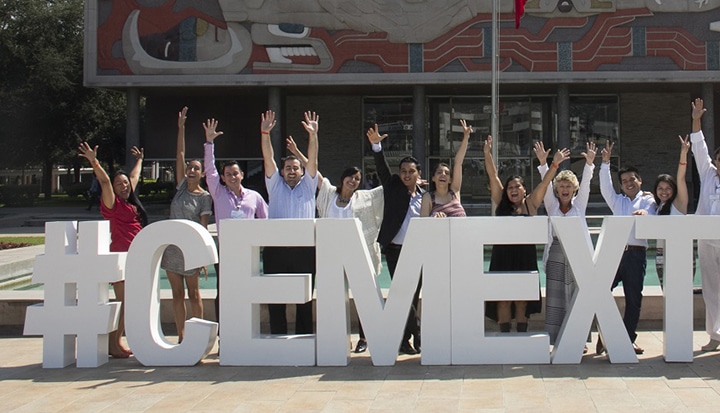
Entrepreneurship has proven to have a positive impact on today’s global challenges. Each one of us, by developing and using our strengths and skills, are agents of social change. As stated by the Global Entrepreneurship Monitor, over 43% of the global population pictures themselves starting a business in the next six months. Entrepreneurship is becoming […]
Sweet Dreams Coming True For Syrian Refugees
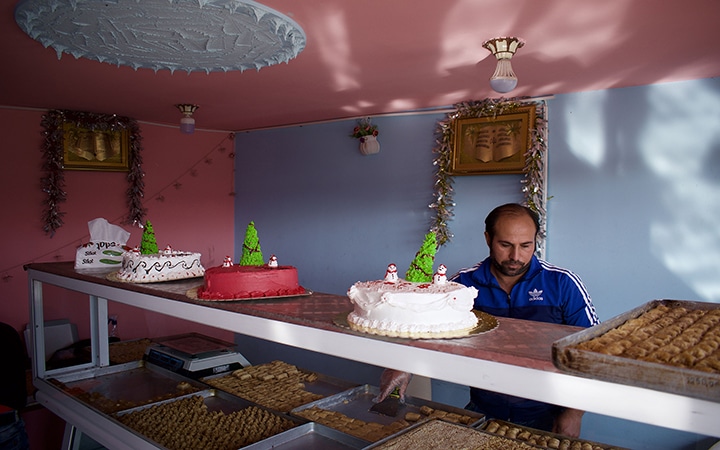
“Syrians are famous for their sweets,” says Mohamed Said. He and his son-in-law, Emad Mahmoud, are Syrian refugees living in Darashakran Camp, near the city of Erbil in northern Iraq. They make a living selling handmade cakes and baklava – a pastry filled with chopped nuts and sweetened with honey. Said and Mahmoud run Sima’s Sweets, one of […]
Meet the Longlist: Unilever Global Development Award, Supported by Business Fights Poverty
For the fifth year in a row, Business Fights Poverty is partnering with Unilever and Business in the Community on an award that recognises businesses that demonstrate positive impact against one or more of the SDGs Business has a key role to play in helping drive progress on ending poverty and protecting the planet. More […]
From Gender Lens to Inclusive Impact Investment

Defining impact by destination… A significant component of impact investment’s raisson d’etre is the promotion of economic development. But not just any investment qualifies as impact investment by contributing to economic development- an oil rig or a tobacco company can catalyze demonstrable GDP growth and job creation but are rarely classified as impact investments. […]
Formal Finance and Informal Groups: Inside the Black Box
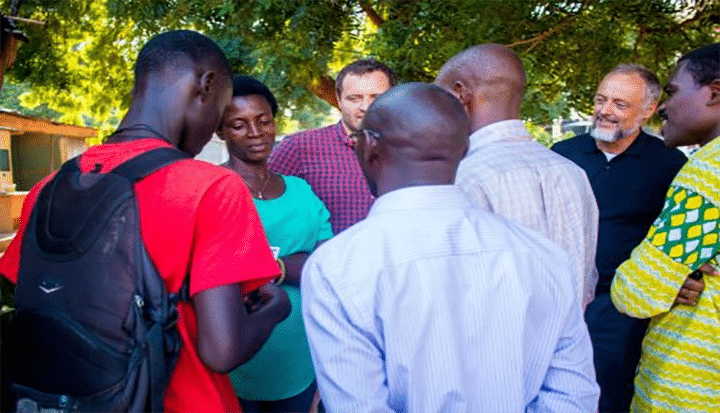
A successful business case for linkages must offer something useful to all involved parties. This means looking ‘inside the black box’ of different mindsets: the bank or microfinance institution (MFI) interested in mobilizing money; the fintech or platform provider interested in moving money; and last but not least, the informal groups and the people using […]
Helping Refugees Move From Crisis To Resilience and Self-Reliance

It is estimated that, on average, a refugee spends over a decade in exile. This means that many refugee children, who make up more than half the world’s refugees, will spend most of their childhood in exile, jeopardizing their education and access to future economic opportunities. For millions of refugee adults, decades of displacement have […]
Charting a Course for Robust Private Sector Engagement
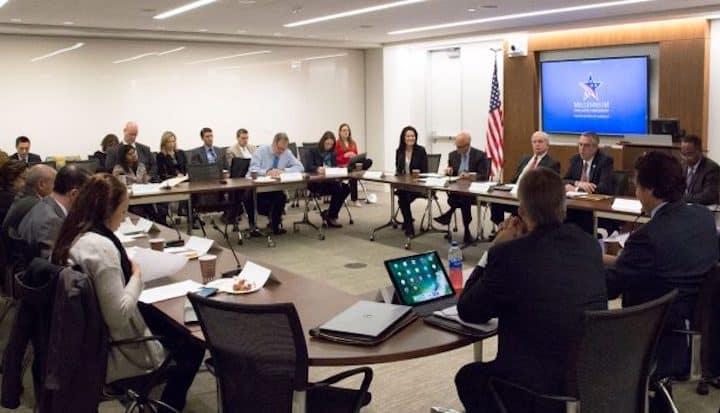
Since its inception, MCC has sought to engage the private sector as a key part of its mission of “Reducing Poverty Through Economic Growth.” Now in its 14th year, the agency has a strong foundation of experience and best practices gleaned from working with the business community to build upon. Yet how to best draw […]
The Impact of a Microfinance on Preventing Intimate Partner Violence
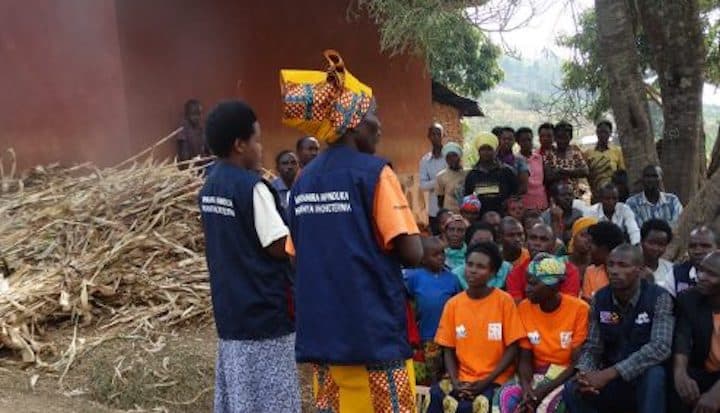
Indashyikirwa, meaning ‘agents for change’, is a program that seeks to prevent intimate partner violence (IPV) across Rwanda, and is being implemented by CARE Rwanda, Rwanda Women’s Network (RWN) and Rwanda Men’s Resource Center (RWAMREC). One component of the program was a 5-month weekly curriculum with 840 heterosexual couples recruited from CARE’s micro-finance village savings […]
Making Payment Acceptance a Driver for Financial Inclusion
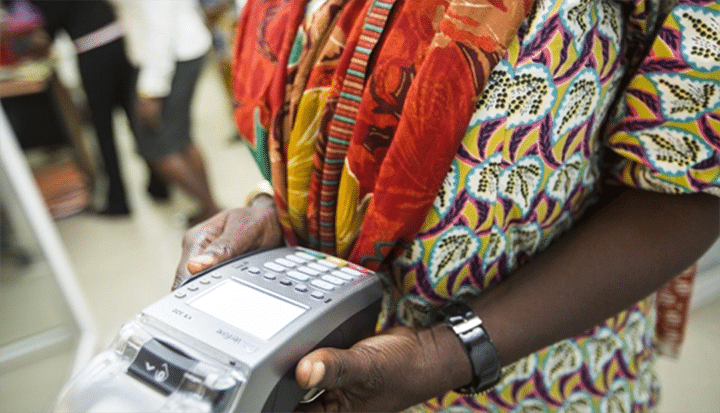
Ten years ago, 85 percent of the world’s transactions were in cash and checks, and 2.5 billion people were unbanked. Since then, we’ve all been working hard as an industry to develop technology that will give the unbanked access to the world of digital payments. Mastercard has connected more than 360 million people to formal […]
Sustainability Standards Embrace GIS Technology
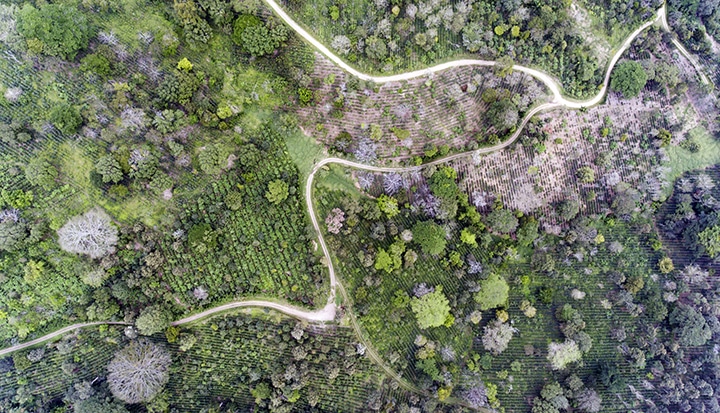
The exponential growth in the use of Geographic Information Systems (GIS) for sustainability is not surprising. It is a technology that becomes more powerful the more people use it, and it offers the sustainability community a straightforward and universal platform to come together and build on each other’s work. GIS is not new to sustainability […]
How Can Companies Develop Systems That Drive Commercial Innovation With Social Impact?
As a community of individuals convinced of the potential for business to have a positive impact on people and planet, we are very encouraged to see a growing number of inspiring corporate initiatives that put social impact at the heart of commercial innovation. Driven by a growing band of ‘intrapreneurs’ – social entrepreneurs working inside […]
Missed our Skoll World Forum 2018 Ecosystem Event on Corporate Social Innovation?
Corporate social intrapreneurs develop profitable new products, services, or business models that create value for society and their company. But being a social intrapreneur is not easy. The “corporate immune system” tends to fight different or unfamiliar ideas and it can be hard to make a convincing investment case. Despite the challenges, social innovation is […]
Virtual Exchange: Students Collaborate to Tackle Social Enterprise Challenges in the Middle East

“I’ve never worked with people from so far away. M²GATE gave me the opportunity to work with people from another culture. I enjoyed it a lot,” said Ryan Berg, a freshman at the Ross School of Business at the University of Michigan at the final session of Cohort 1 of the M²GATE program. M²GATE is […]
Success on Every Corner: How Mom-and-Pop Shops Can Drive Growth in Africa
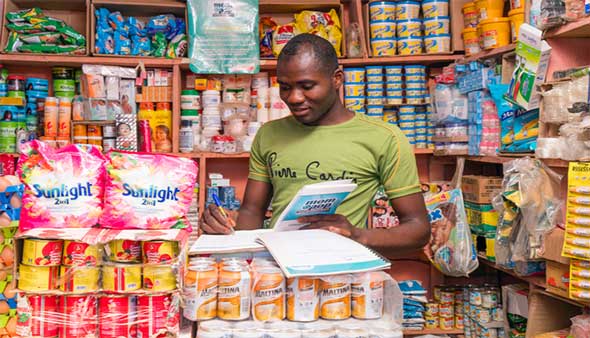
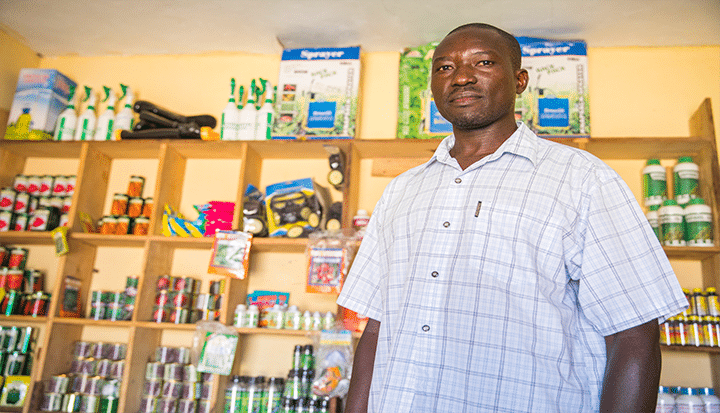
Peter Kimeu had a job working in hotels around Nairobi, Kenya, but his wages weren’t enough to support his family. After looking for an opportunity to improve his earnings, he decided to use his savings to open a duka—a small, neighborhood store selling basic consumer goods. The only problem was that Peter had never run […]
Why Retailers are Uniting to Tackle Climate Change

The products we can buy today may not be available to us in the future unless action is taken to address the most pressing global challenges facing us. Take a simple cotton shirt for example. Cotton production is being hit by environmental impacts such as climate change and water scarcity, social challenges in production such […]
Engaging the Private Sector for Development Results in Indonesia
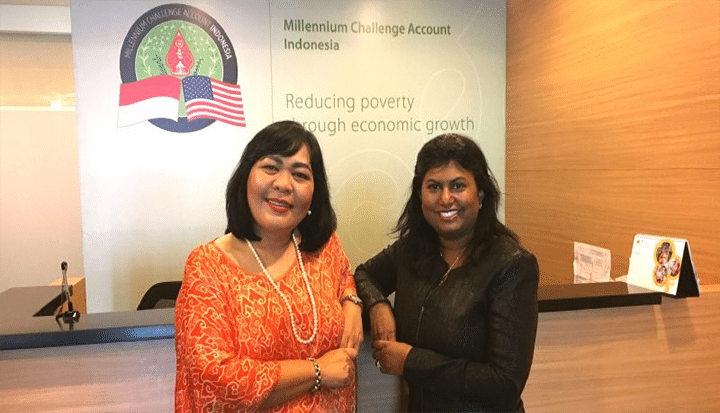
Last month, I had the great pleasure to meet Bonaria Siahaan who heads the Millennium Challenge Account-Indonesia, the locally led and staffed entity implementing the MCC’s Indonesia Compact in the country’s bustling capital Jakarta. From procurement modernization to maternal and child nutrition to energy efficiency, Bonaria and her team are working on innovative projects making a real difference in a […]
Are Standards an Effective Tool to Help Improve Production Practices Across Sectors?

As businesses increasingly strengthen their sustainability policies in line with the 2030 Sustainable Development Goals (SDGs), many are deepening their sustainability commitments. We know from an AidEnvironment review published last year that upstream and downstream businesses benefit in many different ways from working with sustainability standards, for example, 98% of studies reviewed show improvements in sales and […]
4 Tips for Effective and Dynamic Groups
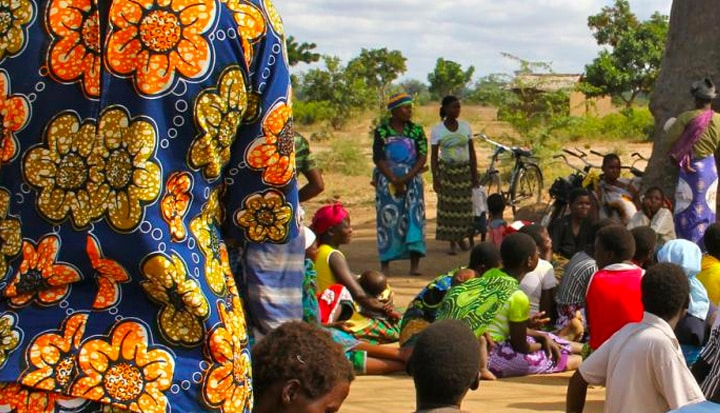
Call them networks, working groups or knowledge hubs, communities of practice have been flourishing in the international development sector for some time now. Whether you want to influence decision makers, share best practices or connect with professionals within or beyond the sector, communities can help you strengthen your organisation’s outreach and knowledge. And today, thanks […]
5 Ways Local Markets Help Refugees Rebuild Their Lives
For four years, Uganda’s neighbour, South Sudan, has been at war with itself. This has resulted in two million people having had to flee their country, including one million to Uganda. 80 per cent of these are women and children. They are families who have lost loved ones, their homes, their land and their livelihoods, […]