
Opportunities for Change: Catalysing a Just Energy Transition Within the Current Geopolitical Context

Rising geopolitical tensions and volatile oil prices are more than headlines. They drive up transportation, production, and fertilizer costs, risking food insecurity.[1] These impacts disproportionately harm the Global Majority, exacerbating inequalities.[2] While countries strive for a just energy transition away from fossil fuels, efforts remain fragmented, uncoordinated, and uneven, deepening injustice. Ongoing geopolitical instability underscores […]
Sustainability Standards and Small-Scale Producers: From Risk Management to Resilience
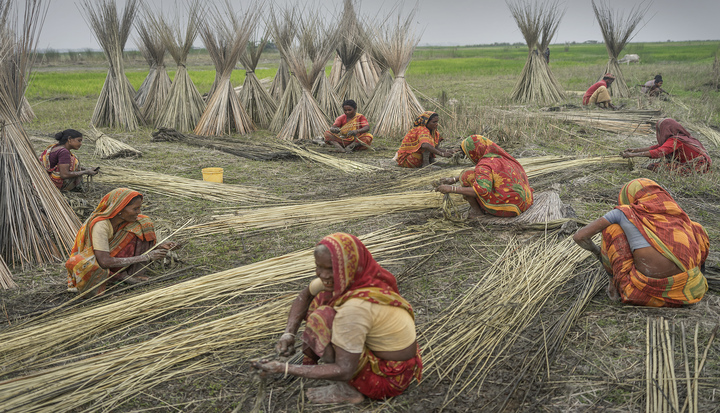
In a complex risk landscape shaped by climate pressures, market volatility, conflict and human rights risks, understanding and addressing sustainability challenges requires deeper engagement with producers and value chain partners. Practical approaches, such as those set out in ISEAL’s Guide for Small-Scale Producer Engagement, co-developed with the International Institute for Sustainable Development (IISD), help strengthen […]
Our Power, Our Planet. Designed with people, Built for Place.

This Earth Day, the rallying cry is Our Power, Our Planet. It’s a call to action rooted in a fundamental truth: environmental progress doesn’t depend on any single administration, policy cycle, or corporate pledge. It’s built and sustained by communities, organisations, businesses and governments choosing to act. At The Partnership Collective, we couldn’t agree more. […]
World Bank: Is Economic Growth Alone Enough? Human Wellbeing and Development Strategy
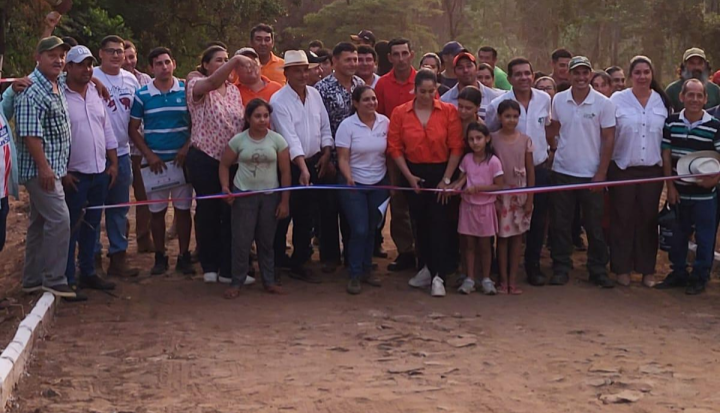
ASUNCION, April 13, 2026 – As the World Bank convenes its Spring Meetings this week, we have an opportunity to reflect on the longstanding debate on the relationship between economic growth and human wellbeing, not only as a one-way process in which rising incomes improve basic living standards, but also as a mutually reinforcing dynamic […]
Partnering for Impact: Five Lessons for Organisations Ready to Champion Women Farmers
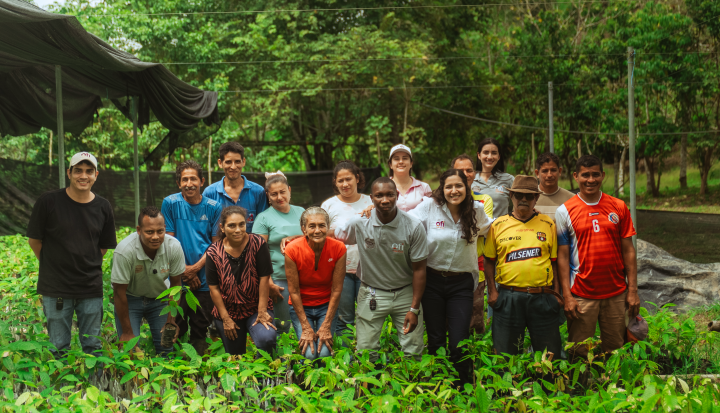
Inside ofi and GIZ’s model for high-impact, inclusive partnerships This year, as FAO marks the Year of the Woman Farmer, I’ve been reflecting on what partnership looks like when it genuinely moves the needle for women. At ofi, working across markets and value chains every day, one truth is clear: we cannot build resilient, climatesmart, […]
Why Lean Startup Fails Impact Ventures – and What to Do About It
Billions Burned: Part I – The Problem Impact ventures, whether targeting low-income consumers or tackling persistent societal problems like climate change or malnutrition, face a fundamental innovation challenge: the cost of delivering a new solution today exceeds the value it creates. It’s why the market doesn’t already exist. Today’s dominant innovation playbook, Lean Startup, was […]
Understanding the First Mile: Strategies and Tools for First Mile Inclusion in Traceability and Due Diligence Systems

The first mile, the journey from producer to the first aggregation or processing point, is a critical yet often overlooked stage in agricultural supply chains. Across cocoa, coffee, rubber and palm oil, this stage is shaped by smallholders, informal intermediaries, and complex social, economic and logistical realities. Understanding the first mile is essential for building […]
Supply Chain Resilience Starts with Household Resilience: What Other Sectors can Learn from Cocoa
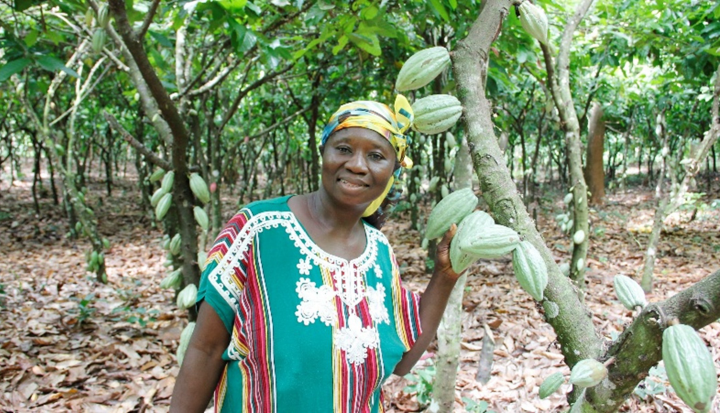
The stability of global supply chains is shaped by decisions made in individual homes, not just corporate boardrooms. If farmers can’t absorb shocks, neither can the supply chains that depend on them. Agribusiness supply chains face mounting pressures from climate change, price volatility, labour issues and deepening rural poverty. Cocoa is a stark example: 70% […]
Beyond CSR: Five Reasons Businesses Are Using Impact Investing to Fight Poverty in 2026

In Jinotega, Nicaragua, a coffee cooperative was locked out of global buyers. One of its farmers sold his harvest at less than half the price he could have earned on the international market. An impact investor stepped in, providing structured loans, financial training and market connections. Revenues grew 27%. Payments to producers grew 38% (Root […]
How Can We be Ambitious in the Face of Crisis and Constraint?

In the face of overlapping crises and deep budget cuts, it’s tempting to bunker down, focusing on managing risks and minimising costs. In this context, social impact professionals face a particular challenge. The scale of the crises we face, from conflict and climate impacts to persistent poverty, compels us to do more, not less, with […]
Partner with the Business Fights Poverty Institute to Drive Action

What does it take for business to play a meaningful role in tackling today’s biggest global challenges, from living wages and climate transition to responsible AI? A central challenge is becoming clear: while the volume of research and insight is growing, businesses often struggle to translate it into action at the pace required. Evidence is […]
Forced Labour in Supply Chains: A Growing Competitiveness Challenge for the UK
When the landmark lawsuit involving Dyson and allegations of forced labour in global supply chains made headlines, it sparked an important conversation in the UK. Across the world, governments are introducing stronger measures to address forced labour and human rights risks in global supply chains. What might once have been seen as a reputational or […]
AI is Working for Women Entrepreneurs — But Only at the Edges. For Real Benefits, We Need Targeted Action.

Imagine a woman entrepreneur running a small restaurant. She may be running more than one small business, or balancing the business alongside another job. Like most women entrepreneurs in low- and middle-income countries, she is also carrying a substantial share of caregiving responsibilities – for children, older relatives, or both. She began using AI around […]
The Missing Link in Water Stewardship: Why Gender Equity is Not an Add-On
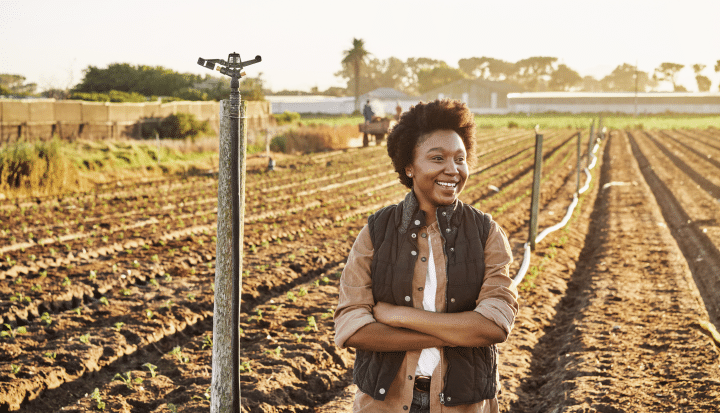
As pressure on freshwater resources increases, it is time for business to ask not only ‘How much water are we using?’ but also ‘Who bears the cost when we use it and what is our responsibility to them?’ Water is more than a resource. It is a strategic asset that underpins the health of communities, […]
Good Intentions Don’t Transform Supply Chains. Better Design Could.
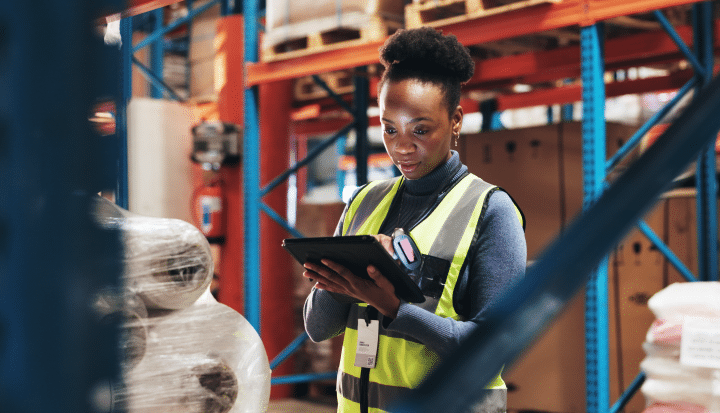
UN Women’s 2025 Unfinished Business report puts it plainly: the defining challenge for the private sector on gender equality is closing the gap between commitment and actual outcomes. After years of working inside global supply chains and development programmes, we think that gap exists for a very specific reason. It is not a motivation challenge. […]
Public-Private Partnerships Can’t Be Optional – They’re the Key to Achieving Sustainable Development

Today’s development challenges – from climate resilience to inclusive economic growth – are vast and deeply interconnected, stretching far beyond the capacity of any single organisation to solve alone. Tackling issues of this scale demands collaboration across sectors, bringing together diverse resources, expertise, and perspectives. Effective public‑private cooperation remains one of the few tools powerful […]
Together for 2026: Navigating a Shifting Social Impact Landscape

At the start of the year, the Business Fights Poverty community came together for Together for 2026, an online forum designed to take stock of the year ahead and explore how businesses, civil society and practitioners can navigate an increasingly complex and contested social impact landscape. Held on 28 January, the forum created a timely […]
Early Insights: Unlocking a Fair Transition for Companies in Emerging Markets

AXA XL in conversation with the University of Oxford on their forthcoming research AXA XL is partnering with The University of Oxfordto explore the private sector’s perspectives on decarbonization and the transition to a low-carbon economy in emerging markets, with deep dives into three key countries: India, Kenya, and Mexico. The research project focuses on […]
Making Environmental Action Second Nature

For years, we’ve told people that addressing climate change requires sweeping lifestyle changes. Drive less. Fly less. Buy less. Do more. It’s well-intentioned. But it focuses on effort instead of outcomes. The truth is, most people don’t fail at climate action because they don’t care. They fail because they’re acting in the wrong places. We’ve […]
Reimagining Old IT Equipment Before It Becomes Waste: How Business Can Turn Obsolete IT & Laptops into Opportunity

Businesses can turn a looming wave of old tech into a powerful driver of impact and climate action by rethinking what happens to their Windows 10 devices. As support for the operating system ends, companies face a choice between scrapping millions of usable machines or putting them back to work for people and communities who […]