We Need a Reskilling Revolution. Here’s How to Make it Happen

As the world faces the transformative economic, social and environmental challenges of Globalization 4.0, it has never been more important to invest in people. Valuing human capital not only serves to equip individuals with the knowledge and skills to respond to systemic shifts, it also empowers them to take part in creating a more equal, inclusive and […]
The Future of Work – A Social Challenge

“Worst case scenario: there simply won’t be enough jobs in the system in the future. Business cannot escape from this responsibility – we must join together to collectively take action, before this becomes a devastating social crisis.” Charles Tsai, Senior Manager, Fossil Foundation. If the transition to the future of work isn’t handled properly, trust […]
Galvanizing Businesses to Generate Positive Social Impact Through Impact Sourcing

Three months on from the launch of the Global Impact Sourcing Challenge, we are delighted by the outpouring of support from GISC members, over half of which have already responded. The Global Impact Sourcing Coalition (GISC), a business network creating jobs for those most in need through Impact Sourcing, challenged its members to hire 100,000 […]
Female Employees Fast Tracked From Line Workers to Supervisors
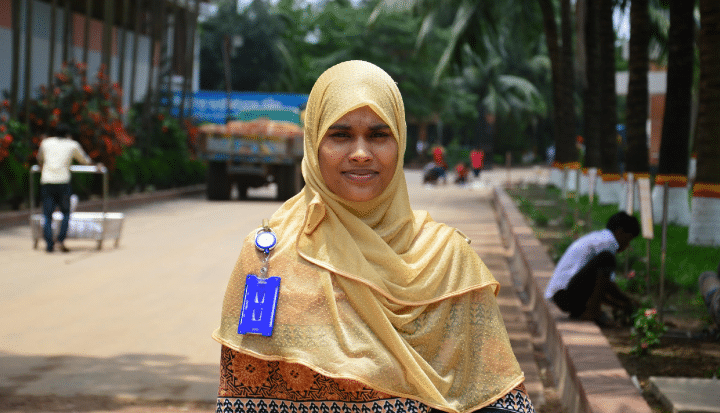
The readymade garments (RMG) industry in Bangladesh is the greatest contributor to female employment in Bangladesh; over 3.2 million of its employees live at the bottom of the economic pyramid (defined as people with less than US$10 per day in purchasing power in 2015 US dollars). Recognising this, at DBL Group we have focused on […]
Onsite Child Care – An Engine for Business Growth

Business leaders seeking to build a competitive workforce face countless reasons in favor of providing on-site child care. Most agree that supporting healthy, balanced families and growing the ranks of women in leadership is the right thing to do. Despite the obvious benefits, however, the cost of child-care programs dominates discussions in the boardroom and […]
Growing SMEs and Young People, Together
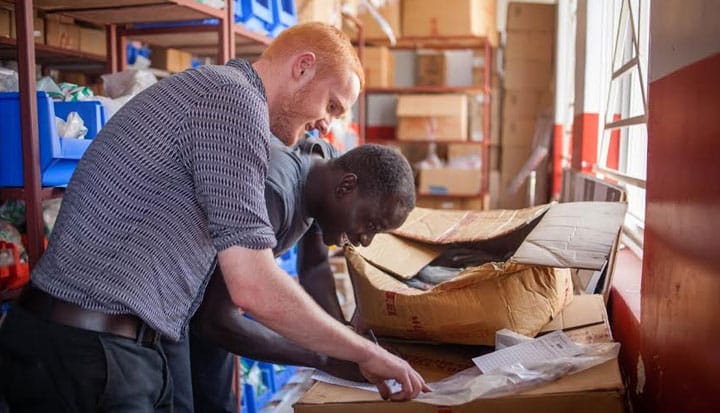
We know the statistics – worldwide more than 1 billion young people will enter the job market between now and 2030, 600 million jobs are needed globally over 15 years to keep current employment rate, 71 million young people are unemployed globally, the youth population in Africa will double to over 830 million by 2050, […]
One for All, and All for One: Industry-Level Collaboration is Needed to Eradicate Forced Labour
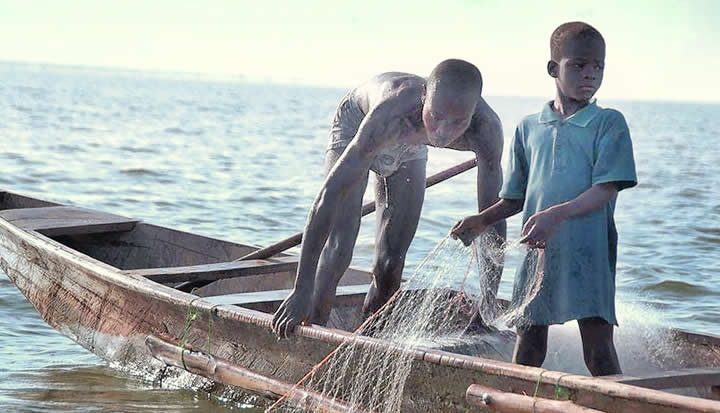
According to the ILO, nearly 21 million people are subjected to forced labour around the world (an alternative estimate from the Walk Free Foundation, which is working with the ILO to release updated figures this year, puts the number more than twice as high). This activity generates $150 billion in illegal profits every year. 71% […]
How Business Can Help Address Youth Employability

Barclays is a transatlantic bank with a history of supporting young people to gain skills for employability. Between 2012 and 2015, we delivered skills training to over 5.7 million disadvantaged young people and in 2016 we helped a further 1.7m people gain employability skills. During this time, we have increasingly focused on measuring and understanding […]
Solving Bangladesh’s Skills Shortage Through Apprenticeships
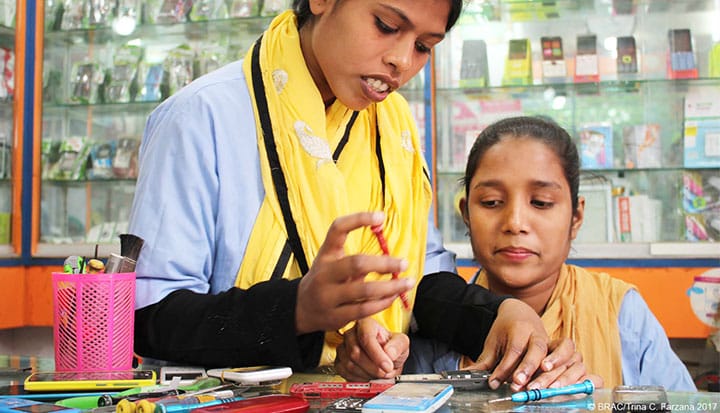
BRAC Case study on Youth Employability Bangladesh has undergone an enormous transformation over the past forty years and has long been seen as an example of how aid can support progressive, pro-poor and country driven development. But a major issue has been holding the country back; young people and businesses in Bangladesh are facing a […]
Bridging the Gap between Young People’s Career Aspirations & Ability to Succeed

Young people today make up the largest youth population in history. Their successes and struggles are as diverse as their personalities and aspirations. However, in all corners of the globe, this generation faces a common challenge: persistent, high rates of youth unemployment. Left unaddressed, the consequences reverberate across our cities and affect us all. When […]
Making DFID’s Economic Development Strategy Work for Women
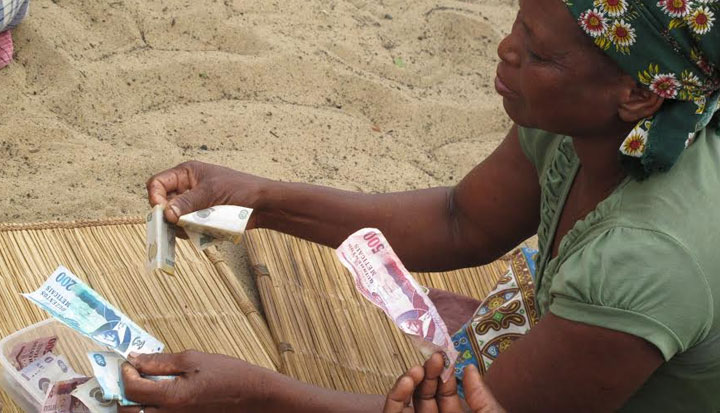
CARE firmly believes that inclusive economic development is at the core of eliminating extreme poverty and injustice. So we welcome DFID’s focus on this agenda and their long-awaited strategy, published this week. What we are most concerned about now, though, is how it will deliver for the world’s poorest women. We should be cautious about […]
Labour Rights in Unilever’s Vietnam Supply Chain
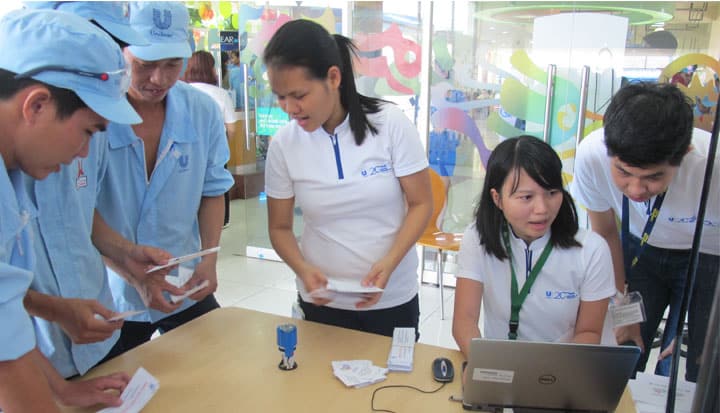
Rachel Wilshaw, Ethical Trade Manager for Oxfam, introduces their latest report on labour rights in Vietnam, a unique study done in conjunction with Unilever. Five years ago, Oxfam and Unilever agreed to an unusual study. Unilever opened up its business so Oxfam could understand how it managed labour rights, and what this meant for workers […]
The Case for Improving Job Quality in Supply Chains
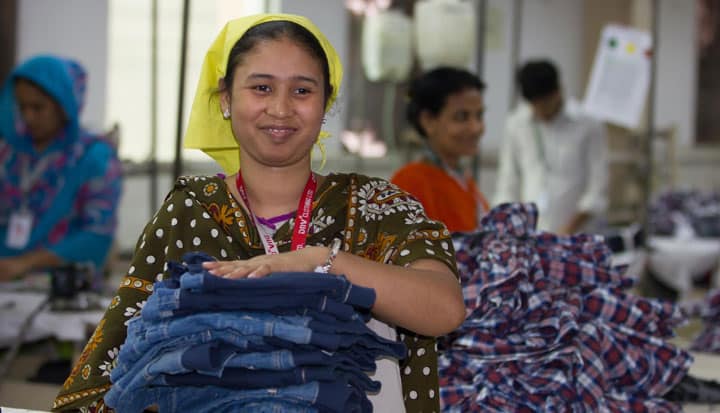
Improving job quality in supply chains benefits everyone. More reasonable working hours, fairer pay and better working conditions are all fundamental for employees – and companies gain as a result of implementing these measures too. Doing so can improve productivity, protect a brand’s reputation and, according to research from KPMG, increase profit margins by as […]
Effective Workplace Policies and Practices

Hope is not a strategy for righting gender imbalances that have long been the norm in most businesses and beyond. Instead, a strategy addressing material issues, supported by policies and practices applied internally and externally, can deliver business benefits as well as benefits for individuals. Research shows that a more diverse workforce delivers financial returns […]
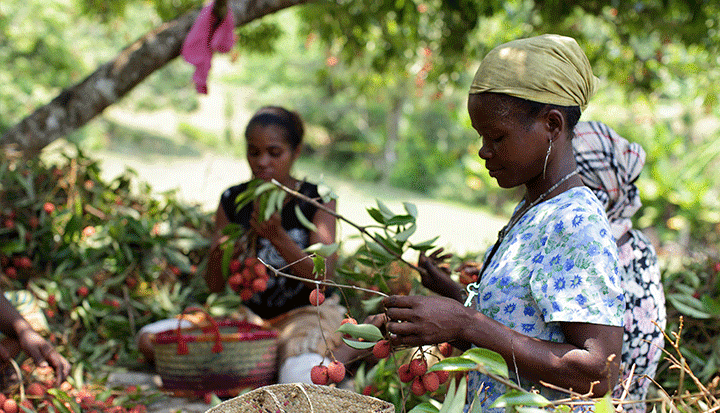
Supporting Rural Employment in Madagascar
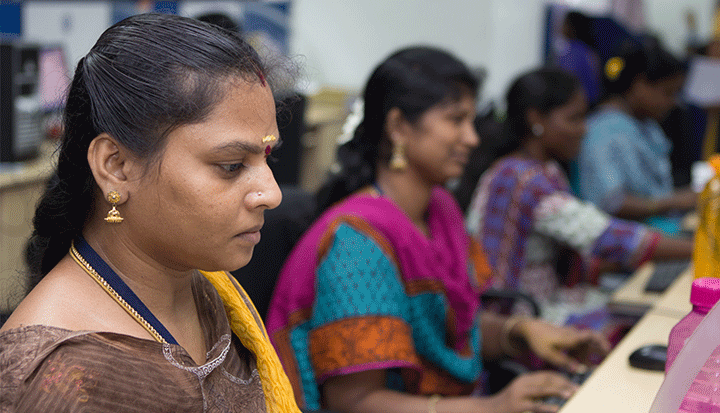
Supporting Good Quality Jobs in India
‘Decent Work for All’: But How is This to Be Achieved?
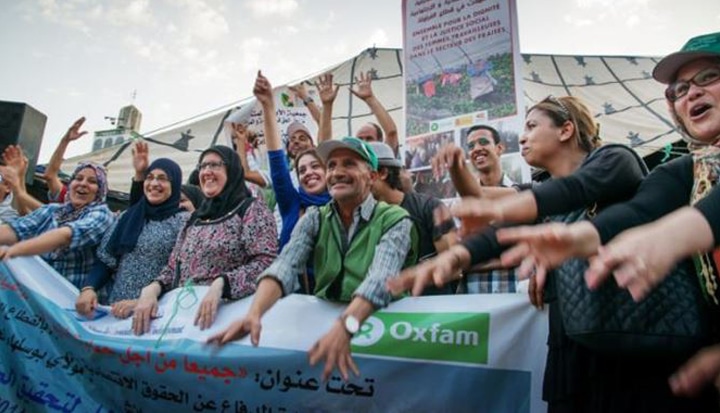
Extreme poverty has been halved in the last 15 years, and with a concerted effort the next 15 could see it virtually eliminated from all but the most fragile states. The Sustainable Development Goals provide a vital framework for this effort. Goal 8 is to ‘Promote sustained, inclusive and sustainable economic growth, full and productive […]
Efforts to Measure Progress in Job Creation
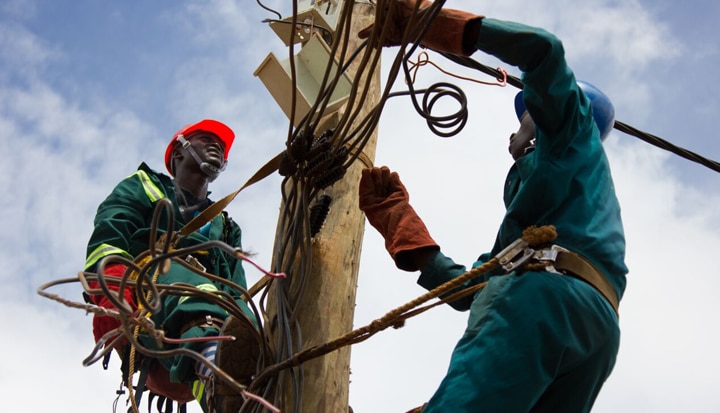
In 2012, CDC announced its intention to target its capital more precisely on building businesses to create jobs in African and South Asian countries where the private sector is weak and starved of investment. Getting a good job makes a lasting difference to people’s lives. Not just for the workers, but for their families. But […]
Readying Young People for a New Jobs Market
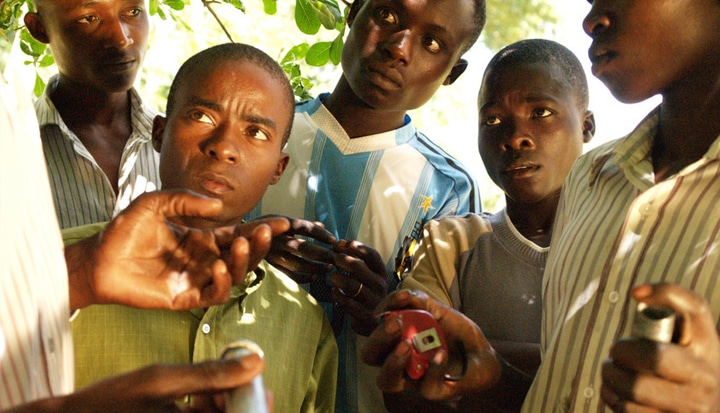
The second report in VSO’s Producing Progress series looks at a programme based in Tanzania: Enhancing Employability through Vocational Training (EEVT). The reports draw out lessons from a variety of programmes, including those that improve employment opportunities, strengthen markets for smallholder producers and align skills needs with supply. The EEVT project, started in 2012, is […]
Centres of Excellence Boost for Future Jobs
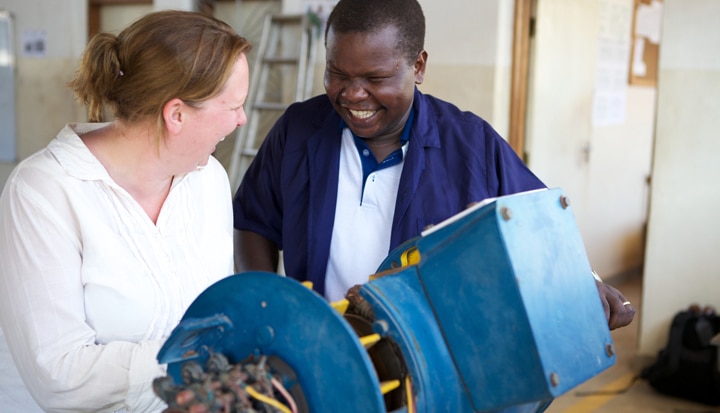
The first report in VSO’s Producing Progress series focuses on a programme in Kenya that tackles inequality through improving the provision of skills for entrepreneurship for marginalised groups, youth and women in particular. The reports draw out lessons from a variety of programmes, including those that improve employment opportunities, strengthen markets for smallholder producers and […]