
Financial Products and Training: The Winning Formula?
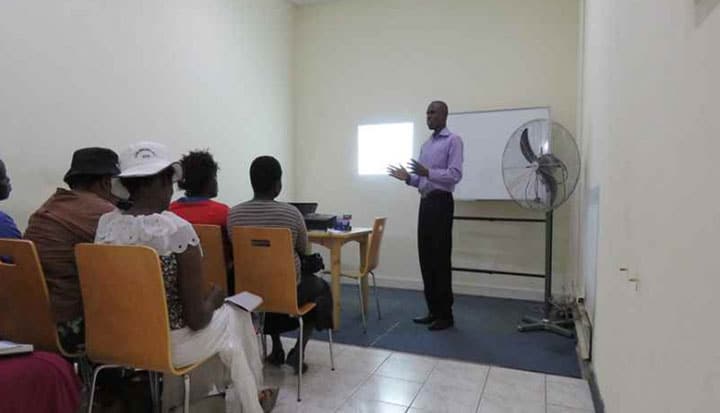
It is now widely accepted that a key component of financial inclusion, that is providing poor and low-income people with access to appropriate and affordable financial services, is financial literacy. This, of course, makes perfect sense. After all, what is the good in providing the tools if the recipients do not fully understand how to […]
Why Small Businesses are Vital to Building Urban Resilience
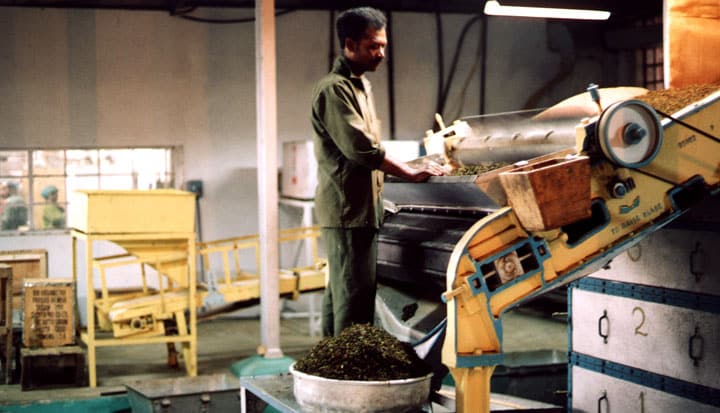
A record-breaking 272 mm of rainfall fell on Chennai, India on 1 December 2015, leading to a two-week flood which displaced 1.8 million, claimed over 300 lives and caused well over $7 billion in economic losses. Due to the flooding, some 14,000 individual Micro Small and Medium Enterprises (MSMEs) experienced a total of $250 million […]
How Do You Incentivise More Businesses to Operate More Responsibly?
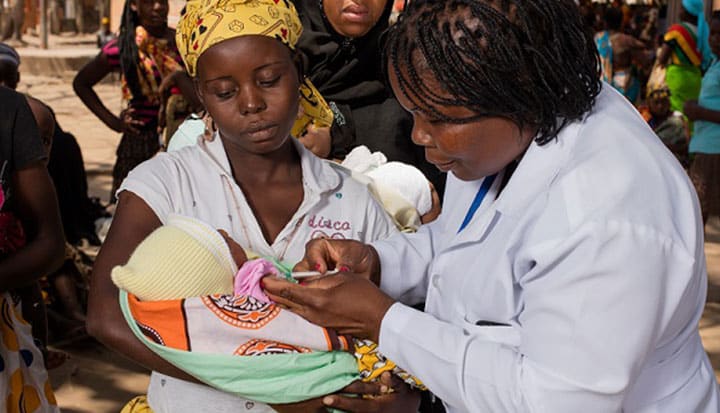
Last week I joined Chatham House at their Responsible Business Conference, alongside representatives from across the public, private and NGO sectors, including Vodafone, Nestle, the UN Global Compact and the UK Minister for Corporate Responsibility. Together we considered a broad range of questions, starting with: How do you incentivise more businesses to operate more responsibly? […]
Breakthroughs in Fertilizer Can Unlock the Riches in the Soil

Throughout history, the relationship between a farmer and his land has been symbiotic. As long ago as 6,000BC, Neolithic smallholders in Europe used nitrogen-rich manure to maintain the soil’s fertility, understanding that the land provides but it must also be “fed”. Later, soil health became so important that countries were prepared to go to war […]
Future Perspectives

The Financial Inclusion Forum’s flagship event in 2016 was hosted during Financial Inclusion Week. The gathering, organised with the EBRD, provided an opportunity to reflect on the past, present and future of financial inclusion. If you missed the event, you can watch the recording and read highlights below. Technology was a recurring theme during the […]
10.5 Million Opportunities – Leveraging Savings Groups with Business Training
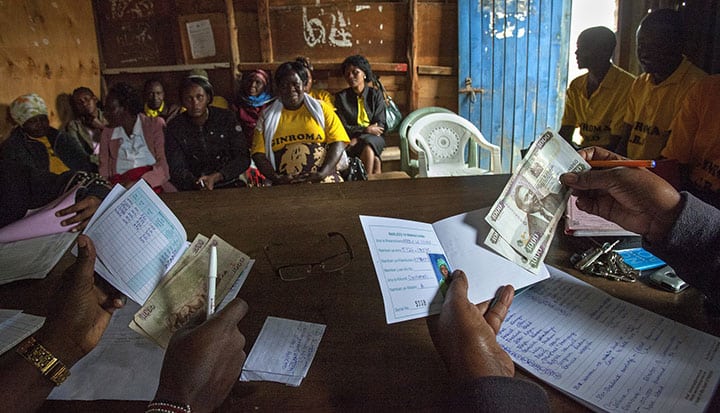
Hand in Hand International Ten-and-a-half million. That’s the number of Savings Group members worldwide. For more than two decades, in 70 countries, the groups have been credited with banking the unbanked, improving women’s economic empowerment and strengthening social cohesion. Now, according new research, another triumph can be added to the list: boosting business incomes by […]
Making the Most of Sustainability Opportunities
Environmental and social considerations are often presented as risks to businesses. However, if they’re properly integrated into strategies and decision-making they can very much become opportunities. For example, research from KPMG suggests implementing measures to improve job quality can increase profit margins by as much as 0.4 per cent in industries where profit margins typically […]
Access to Finance and Women’s Economic Empowerment
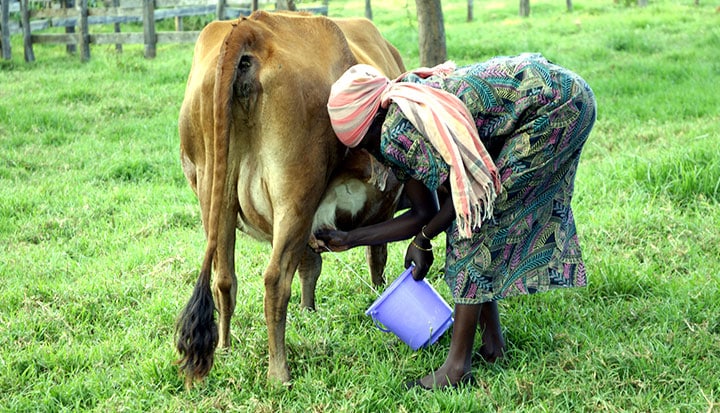
Cherie Blair Foundation Case Study on Women’s Economic Empowerment In 2014 the Cherie Blair Foundation for Women partnered with Accenture and CARE International to promote the long-term financial independence of Rwandan women, by providing a combination of mentoring, training and improved access to financial services. Financial inclusion is a deeply gendered issue in Rwanda, where […]
Banking on Social Innovation
Caroline Anstey, Global Head of UBS and Society and former Managing Director of the World Bank, spoke to Adam Lent, Ashoka’s European Director of Research and Innovation, about a revolution in finance that currently is driving social change. Caroline believes firmly that the financial sector can drive social change by becoming more open as a […]
Helping Companies Create Positive Outcomes, Step-by-Step
“All corporations seek to differentiate themselves and look for new ways to create value. But when many traditional routes have been exhausted, how does an organisation change the way it does business?” This fundamental question is at the heart of the recently released Practitioner’s Guide: Steps to Corporate Investment, Innovation, and Collaboration (now available in […]
Socio-cultural Interventions to Increase Women’s Access to Finance
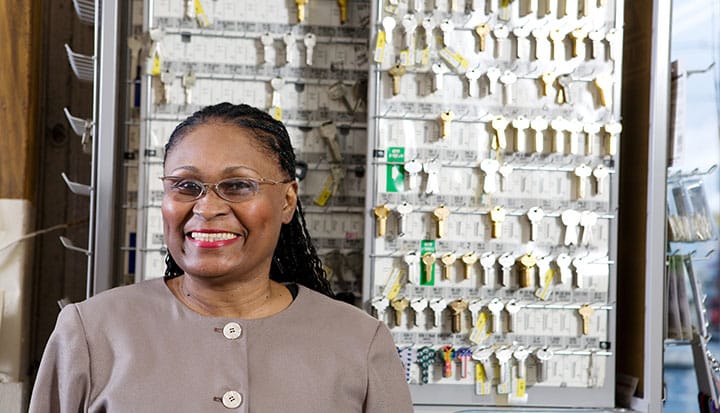
By now, we know that women – especially in the developing world – have less access to finance than men. Business has an important role in levelling the playing field through interventions aimed at easing constraints on the demand-side (awareness of financial products or business and literacy training), the supply side (designing financial products and […]
The Case for Improving Job Quality in Supply Chains
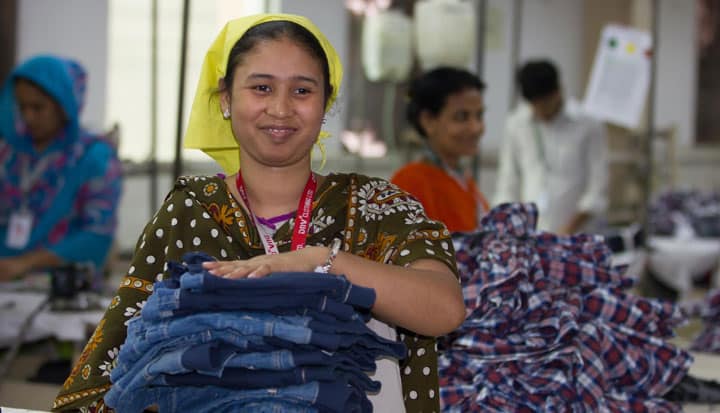
Improving job quality in supply chains benefits everyone. More reasonable working hours, fairer pay and better working conditions are all fundamental for employees – and companies gain as a result of implementing these measures too. Doing so can improve productivity, protect a brand’s reputation and, according to research from KPMG, increase profit margins by as […]
Barriers Facing Rural Producers in Post-conflict Colombia

In May, as part of my role as ACRE’s (Access to Capital for Rural Enterprises) project lead, I spent ten days in Colombia scoping the impact investment space and the barriers facing rural producers in a country that it is now emerging from fifty years of civil conflict. Colombia, a country emerging from 50 years […]
Investing in Social Enterprise to Fight Poverty
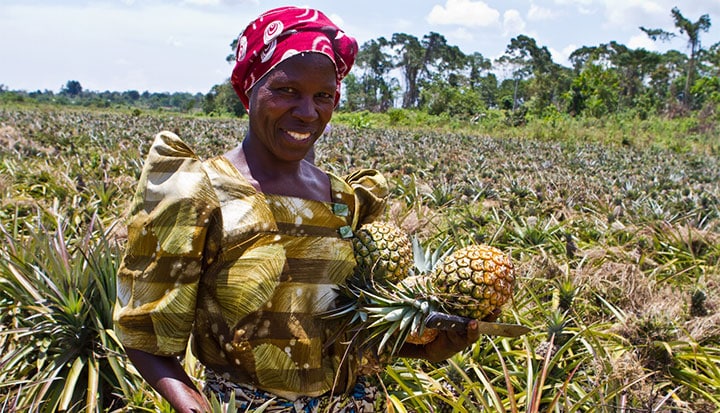
Rupert Scofield will be speaking at a dinner hosted by Women Advancing Microfinance UK on Tuesday 10th May in London. He will talk to us about the work FINCA does and the impact it’s having, in particular in the social enterprise and innovation space. Tickets to the event are available here. Ahead of the event, […]
How Small Farmers Can End Poverty and Hunger
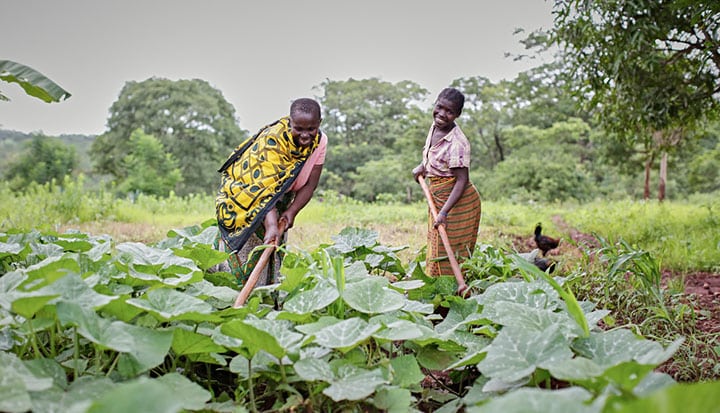
Private companies are discovering that small farms are big business at the same time as the development community is realizing that they are key to ending poverty and hunger. There are 500 million small farms in the world, and their potential is huge. Indeed, small farms are responsible for up to 80 per cent of […]
Banking on Change Helps the World’s Poorest Save $34m
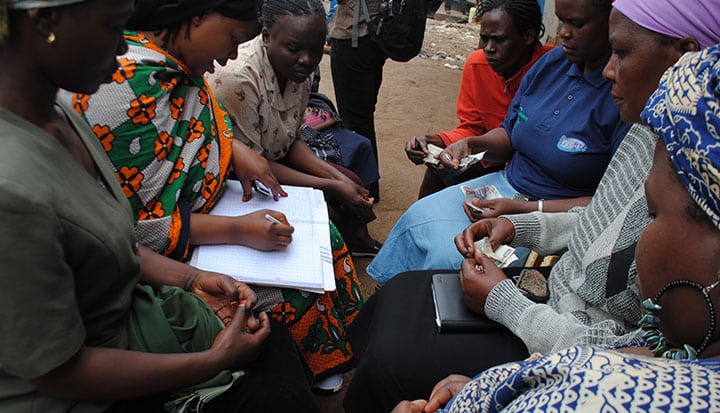
More than 5,000 informal savings groups have been linked to formal banking sector Six years ago CARE undertook a pioneering partnership called Banking on Change with Barclays and Plan UK that has since helped more than 758,000 people, who typically live on less than $2 a day. In the past 3 years, we’ve supported 400,000 […]
IMF Evidence Supporting Financial Inclusion
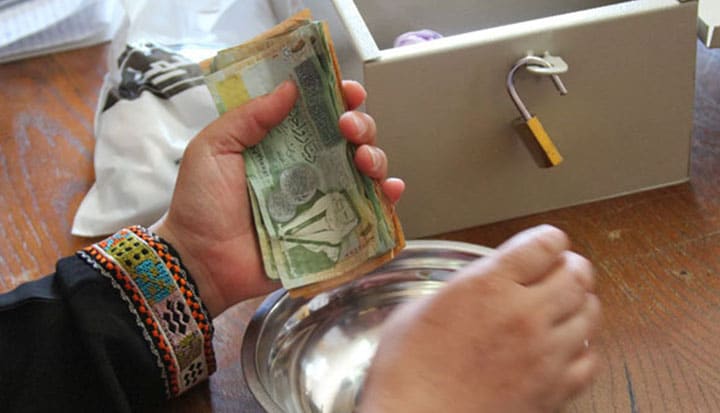
A recent IMF ‘staff paper’ (i.e. this is not the official view of the organisation, but they’re not disagreeing with it either…) provides additional support to CARE’s fight for financial inclusion by showing that four of the dimensions of financial development – access, depth, efficiency and stability – can significantly reduce income inequality and poverty. […]
Design Funding in Emerging and Frontier Markets
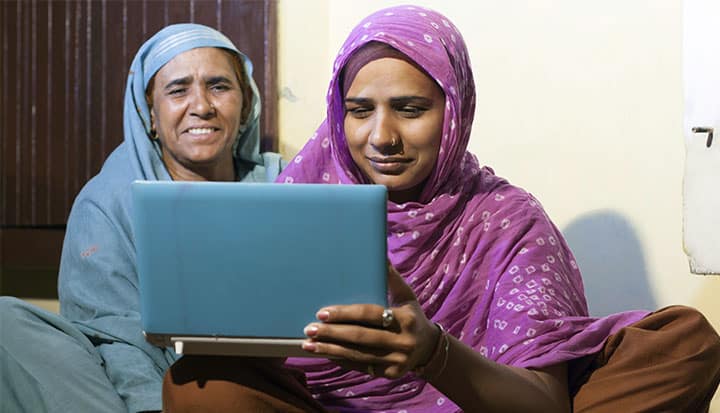
Earlier this year at the World Economic Forum in Davos, we welcomed the launch of Convergence: a platform that helps public and private investors find and connect with each other to co-invest in “blended finance” deals in emerging and frontier markets. Blended finance is the use of public and philanthropic funds to attract private capital […]
Can Social Enterprises Fill the Aid Gap?
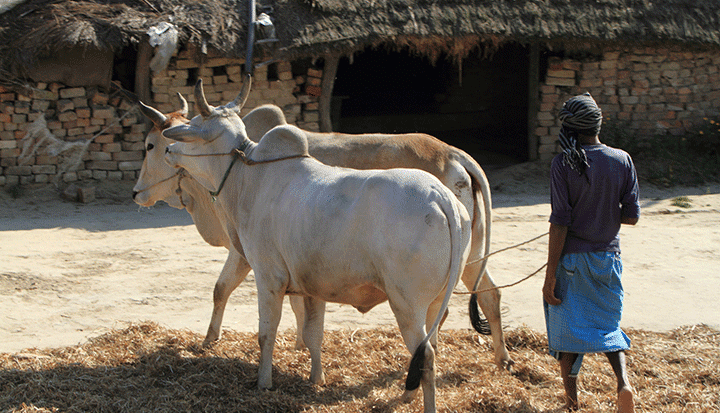
The scale of social enterprises varies around the world, and there is no place where they have had such a long history or have grown to be quite as sophisticated as in Bangladesh[1] and largely without a supportive policy framework. With the country moving towards middle income status and aid money expected to dry up, […]
The State of Responsible Investment

Women Advancing Microfinance UK are hosting a dinner on Tuesday 12th April in London on responsible investment, specifically looking at how we can influence the way global companies act and impact the world. Tickets to the event are available here. On the evening Martina Macpherson will be accompanied by Natacha Dimitrijevic, Associate Director at Hermes […]