
Stop Britain Wasting more than £240m on Unwanted Christmas Gifts Says Microloan Site lendwithcare.org
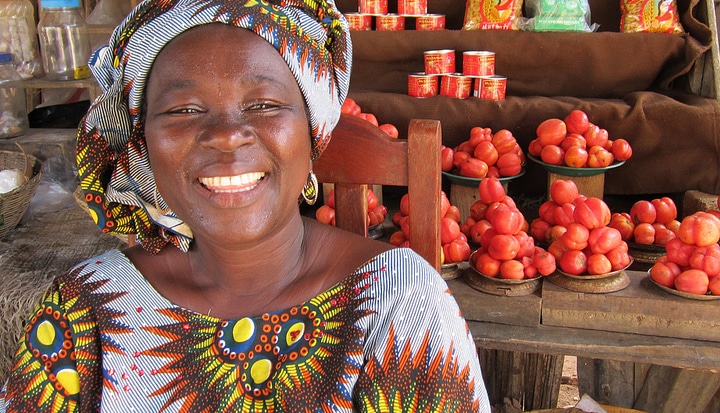
People in Britain will waste more than £240 million* on unwanted presents this Christmas with one in four people saying they panic buy presents, according to a survey commissioned by micro loan website lendwithcare.org. With each ‘panic buying’ adult spending an average of £46.25 on wasted gifts and almost three quarters of buyers (75%) unable […]
Bringing ‘Smart Insurance’ to India´s Poor

Anjali Devi has come a long way from her home in rural Punjab to the public hospital in Mohali, the capital of the district. The three hour bus ride to the hospital has led her and her husband get up early in the morning to make sure that they can make it back home the […]
4 Success Factors for an Inclusive Financial Sector

The potential of Inclusive business models to contribute to poverty eradication and sustainable development is well known – and is increasingly gaining attention among governments and policymakers in general. But many inclusive businesses are facing constraints, hindering them to reach a larger scale. They typically include a lack of information, rules, financial resources, and structure […]
Investing in Agriculture in the DRC
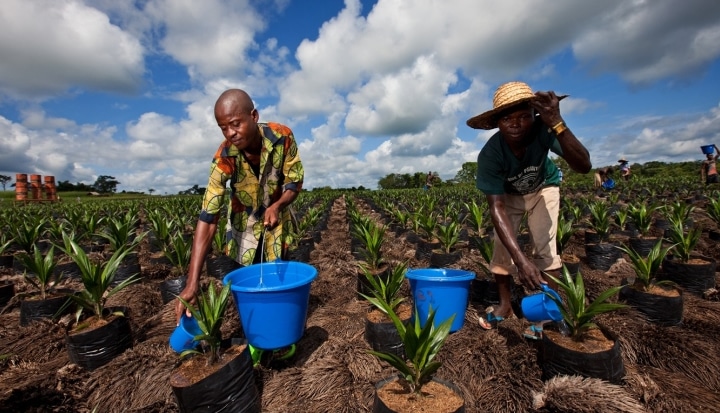
Since the launch of CDC’s current strategy in 2012, our aim has been to invest where our job creation focus can have the greatest impact: in countries where the private sector is weak and jobs are scarce, and in sectors where growth leads to jobs. Our recently announced US$18.1m investment into Feronia, an agricultural production […]
ESG Integral to Approach of Emerging Market Fund Managers

CDC Group plc, the UK’s development finance institution and a leading emerging markets private equity fund investor, has announced the results of its first environmental, social and governance (ESG) survey of fund managers. The survey looks at fund managers’ evolving ESG support needs and the ways CDC can meet this current demand. Fifty-three individuals took […]
Local Bank Financing for Smallholder Farmers

Over two billion of the world’s poorest people live in households that depend on agriculture for their livelihoods. The 450 million smallholder farmers within that group are a linchpin to global poverty-reduction. Yet most smallholders lack access to finance, holding them back from producing larger crop yields of higher quality to propel both economic growth […]
A New Role for the World Trade Organisation

The future role of the WTO will become clearer once its membership returns to the drawing board after this week’s WTO Ministerial (MC9) and reflects on the core functions and capabilities of the WTO within a rapidly changing global economy. Even if agreement on the Bali Agenda is reached, there will be implementation challenges particularly […]
Aid for Trade – A Success Story?

Aid for trade constitutes the most successful initiative that has hitherto emerged from the multilateral trade negotiations under the Doha Development Agenda. Donor commitment to aid for trade remains strong, even as the Members of the OECD Development Assistance Committee face financial difficulties in the wake of the 2008/9 Great Recession. Over the past decade […]
Tackling the Youth Employment Crisis in Southern Africa
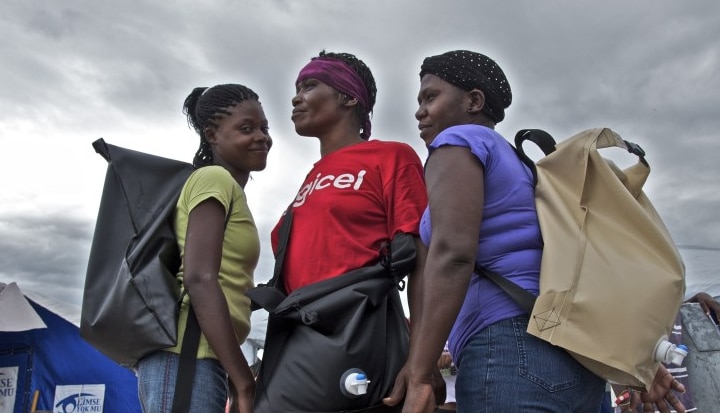
News headlines are filled with stories of a growing youth bulge and impending youth unemployment crisis in sub-Saharan Africa. This is the bad news. Many social entrepreneurs are at work even now creating solutions to these types of challenges—a sort of counterbalance that shapes fortune out of misfortune. Young Africa (YA) founder, Ashoka Fellow Dorien […]
Aid for Trade and the Post-2015 Development Agenda

The Aid-for-Trade Initiative was launched at the 2005 Hong Kong WTO Ministerial Conference to address supply-side capacity and trade-related infrastructure constraints that can prevent developing countries from converting trade opportunities into trade flows. Eight years on, at the Ninth Ministerial Conference on 3-6 December 2013 in Bali, Indonesia, we expect stakeholders to recommit to this […]
What is at Stake at this Week’s WTO Negotiations?

The Doha round of WTO trade talks that began in 2001 was getting close to the finish line in 2008, before the global financial crisis grabbed everyone’s attention. The talks became deadlocked and, by 2011, it was clear that they were at a complete standstill. Once broad negotiations have since been narrowed down to just […]
Aid for Trade – Adding Value to the Post-2015 Development Agenda

The Aid-for-Trade Initiative was launched at the 2005 Hong Kong WTO Ministerial Conference to address supply-side capacity and trade-related infrastructure constraints that can prevent developing countries from converting trade opportunities into trade flows. Eight years on, at the Ninth Ministerial Conference on 3-6 December 2013 in Bali, Indonesia, we expect stakeholders to recommit to this […]
Impact Investing for Green and Inclusive Business

Green and inclusive businesses need finance – impact investing can provide this. Discuss with us along seven hot topics why impact investors and green and inclusive businesses are a perfect fit and how they could be better matched – from new kids on the block to the super-heroes in the field. Green and inclusive businesses, […]
A Bright Future for All – Building Business Responsibly

Every day, when watching the news and checking the social channels, we see pictures and read stories of famine and floods, droughts and demonstrations, confronting us with the effects of increasing resource scarcity, climate change, food security, civil unrest and poverty. We see the increasing numbers of people left behind. Many wonder how on earth […]
The Power of Sustainable Supply Chains
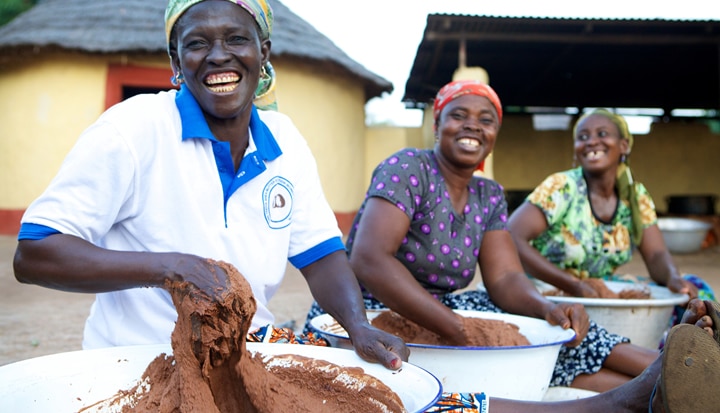
Supply chains can be made stronger and more sustainable if the people working at different stages in them have stable and sufficient earnings. This is the basis for The Body Shop’s “Community Fair Trade” programme, which ensures 25,000 workers in marginalised communities earn a fair wage. The programme directly benefits more than 320,000 people per […]
Investing in African Ingenuity

The best way to build Africa’s capacity is to invest in local innovation and entrepreneurship. Africa is at a developmental turning point and Africans have stepped forward to be the leaders of the continent’s development in all facets of the economy. African innovators and entrepreneurs are creating solutions to our continent’s everyday challenges. By providing […]
Why Saving is Not a Luxury
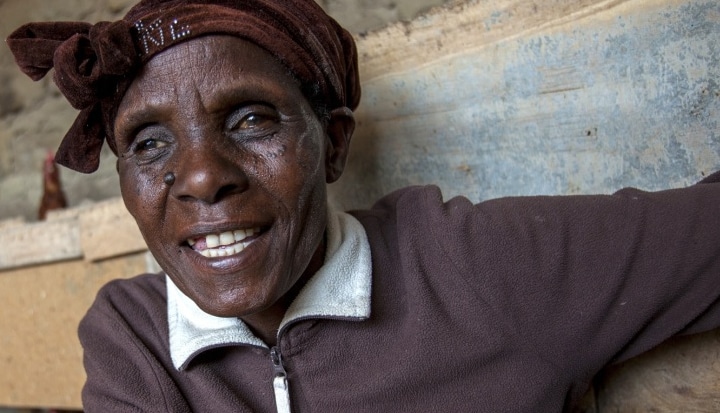
When World Savings Day was first launched in 1924 the aim was to encourage people to put their savings in a formal bank account rather than ‘under the mattress’ so that they could manage and save their money efficiently. Today, as we celebrate the 79th World Savings Day, half the world’s population, some 2.5 billion […]
Creating a Runway for Multinationals with Impact

Five years ago, Steve Bachar and I decided to create a venture capital fund that would only invest in companies capable of achieving three goals: Transforming the livelihoods of at least 100 million customers living on $2 a day or less; Generating at least $10 billion in annual revenues; and Earning sufficient profits to attract […]
Benchmarking Agriculture: Lessons from Doing Business

The proposed Benchmarking the Business of Agriculture (BBA) is a joint effort of the Doing Business and agricultural development teams of the World Bank and is partly based on the (in)famous Doing Business project. Doing Business is arguably the Bank’s highest profile publication and ranks countries’ business regulations and laws across ten key indicators, but […]
The Business of Agriculture: What’s missing?

By Alison Griffith,Senior Policy and Practice Advisor, Private Sector and Markets, Practical Action, and George McAllister, Director of Programmes, Garden Africa Smallholders have the potential to become the backbone of agricultural growth in Africa and to supply our growing demand for food – if they have the right environment. The World Bank’s proposal to develop […]