Financing for Humanitarian Action
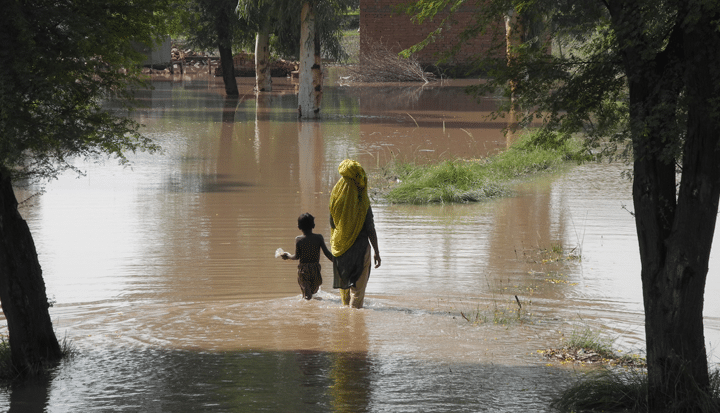
Monika Vrsanska/CAFOD Visioning the Future: Future Humanitarian Financing is bringing together experts from Business and Private Sector to explore new approaches to meet the financial costs of responding to crises such as the Pakistan Floods. CAFOD, World Vision and the Food and Agriculture Organization have been tasked by the Inter-Agency Standing Team in Geneva to […]
Closing the Information Gap on Impact Investment
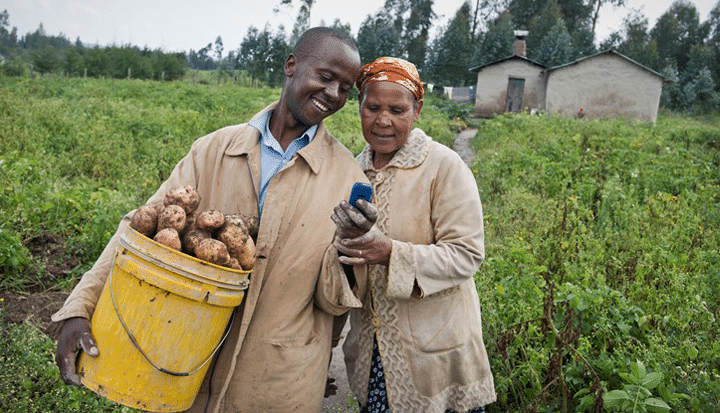
Information, as they say, is power. Nowhere is this truer than in business and finance. Most new business ventures will involve an element of risk or a leap of faith. However, the better calculated that risk, or the more accurately measured the leap, the better the chance of success. Which is why, the Impact Programme, […]
Innovative Finance Partnerships
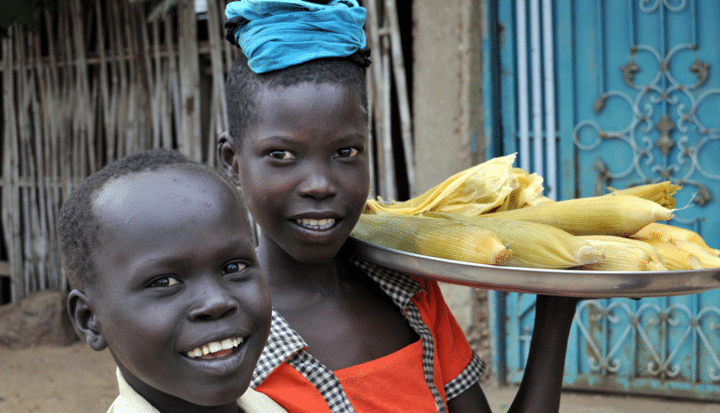
Meds and Food for Kids (MFK), a non-profit dedicated to saving children’s lives by fighting malnutrition in Haiti, had a problem. It saw an opportunity to produce high quality therapeutic foods locally and at a scale significant enough to reach thousands of children with this life-restoring product, but to do so it needed financial support […]
Closing the SME Finance Gap
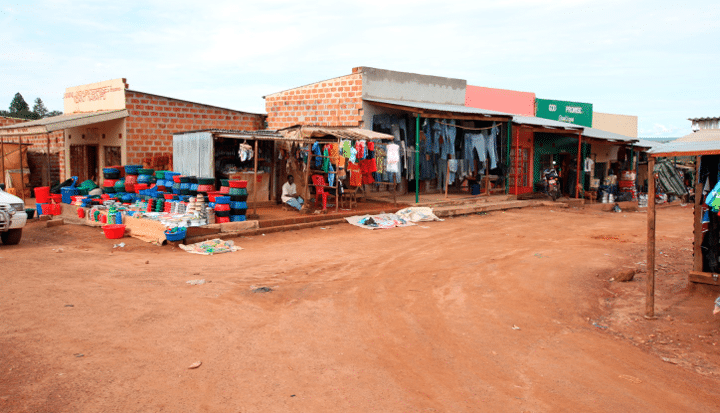
Over 90 percent of all jobs are created by the private sector. In emerging economies, small and medium enterprises provide the vast majority of those jobs. Yet every second small and medium sized business remains credit constrained in emerging markets, and is struggling to raise the financing necessary to invest and create new jobs. Some […]
Reducing Risk is Key to Strengthening Access to Finance for SMEs
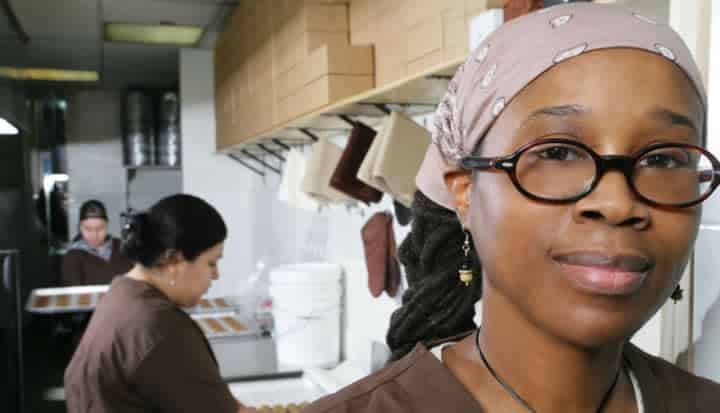
Manager, Anglo American Over 25 years, Anglo American has invested in enterprise development in host countries to support the development of both the business and local communities. A key priority is to ensure that the economic impact of our enterprise development activities extends beyond the mining sector and encourages more broad-based economic growth in countries […]
African SMEs are Starved of Finance
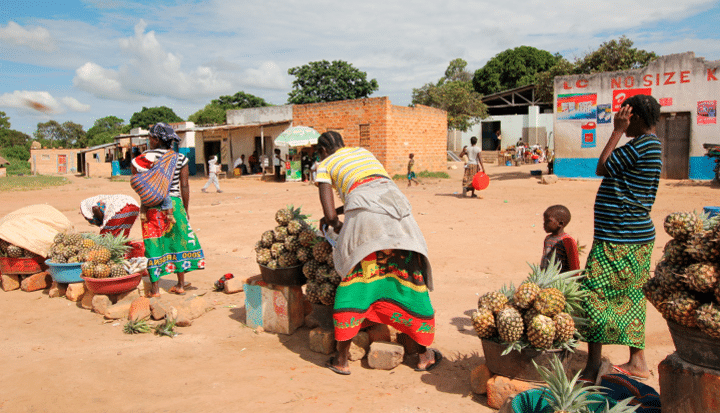
Of Africa’s 50 million SMEs, over 70% suffer from insufficient financing, leaving a funding gap of USD 140 billion. Less than a quarter of these firms have access to bank loans or lines of credit, compared to 43% in other developing regions. To address this challenge, the African Development Bank launched the Africa SME Program […]
Access to Cash Doesn’t Solve All the Problems
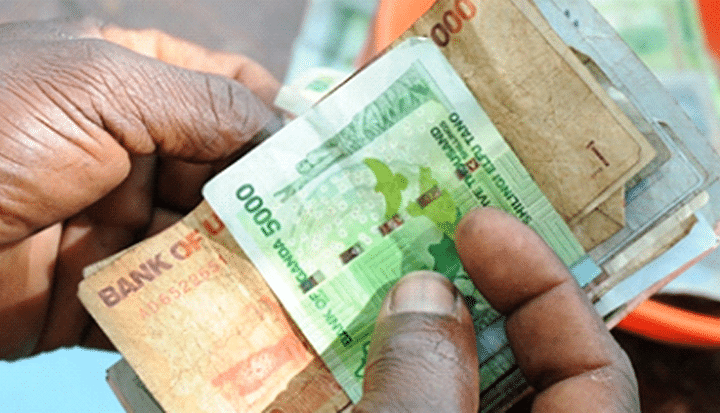
CARE International’s approach to SME development includes access to finance as an important element. But we also believe that it is essential to adopt a systemic view of the market system and of the socio-economic situation of the individuals and communities with whom we work. Our financial inclusion strategy includes the provision of credit, savings, […]
Unleashing Women-led Enterprise
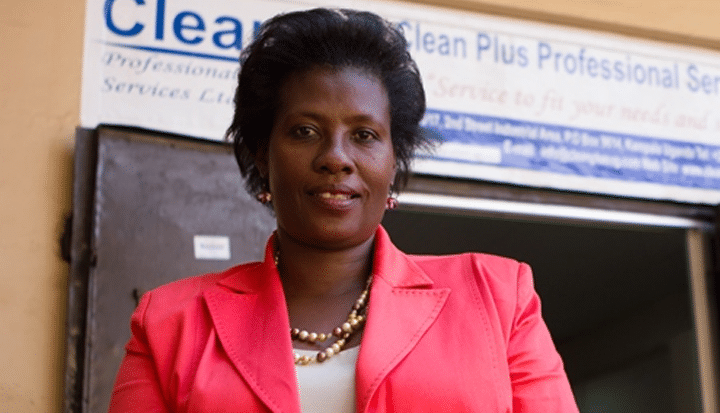
Photo: CDC Back in 2005, Kofi Annan argued that gender equality is the bedrock for achieving the Millennium Development Goals. A decade later, the case for women’s economic empowerment is even more compelling. Equality of employment opportunities means reduced poverty and higher GDP levels; more women in the workforce leads to productivity gains; women are […]
Implementing a Transformative Development Agenda

In September 2015, the international community is expected to agree an ambitious post-2015 development agenda (the Sustainable Development Goals, SDGs) to succeed the Millennium Development Goals (MDGs), aiming to combine economic, social and environmental objectives in a balanced manner. At the same time there will be a financing for development conference in Addis Ababa in […]
Meeting the Long-term Financing Needs of SMEs in Uganda

In Uganda, small and medium-sized businesses (SMEs) contribute around 70% to GDP. But while most of the finance offered by banks is short-term, it is long-term finance which is necessary for the growth of most SMEs. Frequently, this results in SMEs in Uganda using the wrong kind of funding for expansion – for example using […]
Financial Institutions and the SME Financing Gap
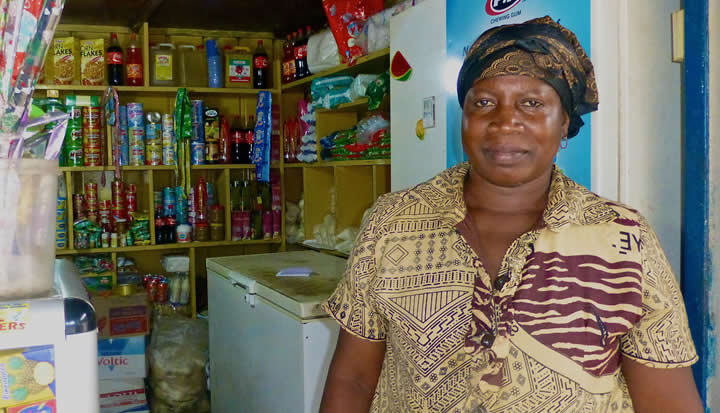
Holger Rothenbusch, Managing Director, Debt and Financial Institutions, CDC It’s well known that small and medium enterprises (SMEs) have an important role to play in the economic development of developing countries. In Africa, they contribute to around 40% of GDP as well as 50% of overall employment. In some sectors, this level of job creation […]
The Partnership Behind Uganda’s Soybean Industry
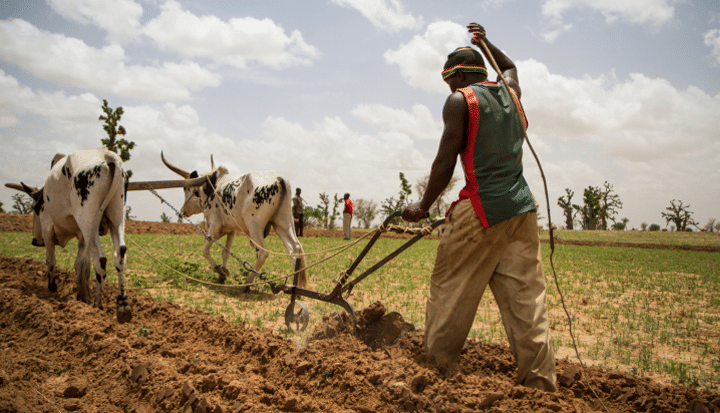
One of the main bottlenecks to the development of Africa’s rural economy and agriculture sector is an often divergent agenda from the government, private sector, researchers and NGOs. Someone needs to “connect the dots” to enhance synergy, and avoid contradictory advice for farmers. East and Central Africa face many complex agricultural problems that no single […]
Business as a Partner in Development

Partnerships are vital if we are to make the greatest possible impact on development. This is why the whole global community – governments, businesses, emerging and developing nations, civil society – needs to agree a new partnership to work together and unite behind the Post-2015 Sustainable Development Goals (SDGs) and work together to achieve them. […]
Securing Growth with Depth

In the push for African states to collaborate with business for economic transformation, this report offers fresh, promising ideas for the “how.” Economic transformation, as we champion it at the African Center for Economic Transformation (ACET), is growth with DEPTH. That is, growth with diversification, export competitiveness, productivity increases and technological upgrading, all leading to […]
Why We Need Innovative Financing

Innovative financing’s “bridge” role in economic, social, and environmental development As the development agenda comes under the spotlight at this week’s UN General Assembly in New York, one thing will become clear: the future we want – a future that meets the needs of people and the planet – will require investments estimated in the […]
Supplying Power and Creating Jobs in Uganda
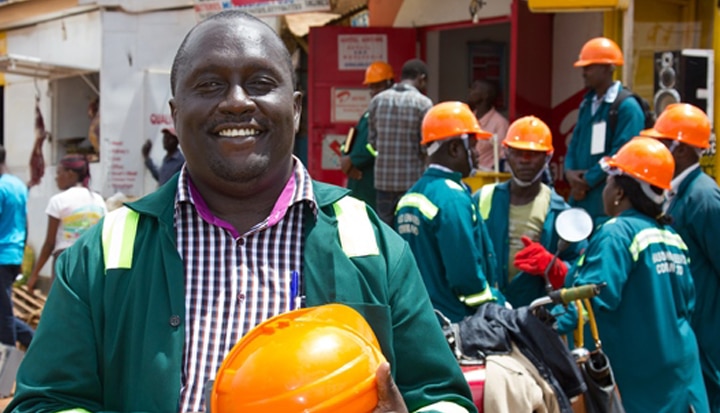
BACKGROUND In 2004, Uganda’s electricity distribution network was very run down. As a result of many years of neglect, the network of over 20,000km of poles, sub-stations and wires had fallen into disrepair. There were approximately 120,000 rotten poles in the system, which was a serious issue both in terms of quality of supply and […]
Supporting Women in Business and Creating Jobs in Uganda
Photo: CDC/DFCU BACKGROUND Accessing finance is a problem that many women face in Uganda. With property passing from male to male, women struggle to offer collateral to lenders. A study by the International Finance Corporation (IFC) found that only 9 per cent of commercial credit in Uganda goes to women. However, nearly 40 per cent […]
50 Years of Backing SMEs and Creating Jobs in Uganda

Photo: CDC/DFCU “Fifty years is not a short time by any means, but CDC has stuck with DFCU for 50 years. Even through the difficult times they’ve been with us. This is very important, for us to have a long-term shareholder who is committed and dedicated to the growth of DFCU, and who believes in […]
The Direct Impact of Microfinance
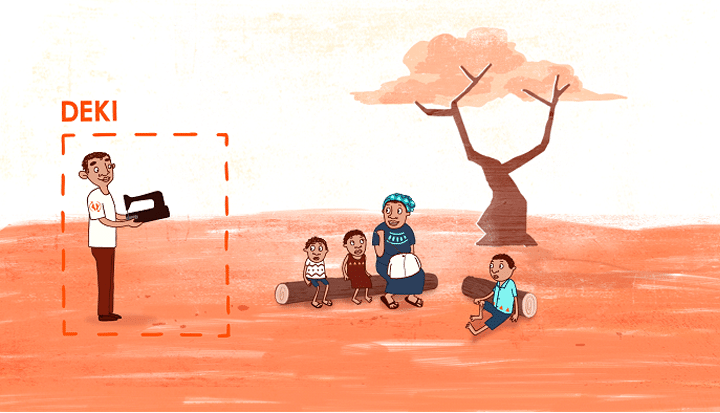
Would you invest in a business if you knew it could make 210% net profit in less than 12 months? When staff at Friska, a small business based in Bristol, decided to provide a loan of £140 via Deki to Lydia Nyirongo in Malawi, they believed the loan would help Lydia change her life. What […]
Early-stage Impact Investing: A Call For Action
(www.seedinit.org) The exponential growth of small, micro and medium enterprises (SMMEs) in Africa, Asia and Latin America has contributed significantly to the burgeoning green economy. Every year more and more small and green entrepreneurs are creating innovative ways to produce sustainable products and services that are having wide-reaching social and economic impacts on the world’s […]