Words and Actions: Lessons from Unilever's Supply Chain
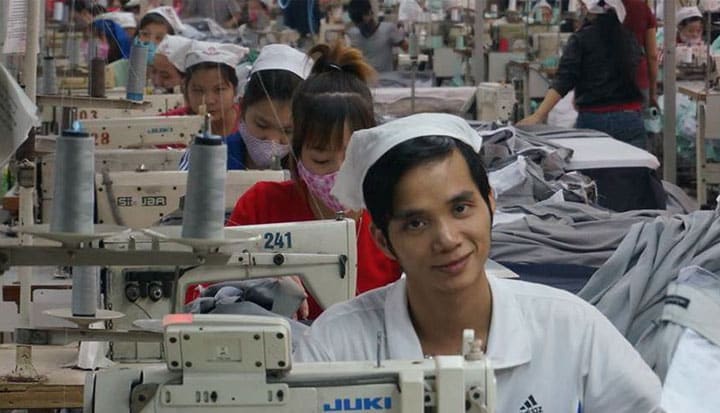
‘You are what you do, not what you say you’ll do’ (C.G. Jung) Why did Unilever open itself up to scrutiny? The new Oxfam Unilever progress report on labour rights in Vietnam is out. Unilever has provided Oxfam with all the necessary information to assess its performance on labour rights in practice. If Unilever were […]
Building the Social Enterprise Eco-System in Thailand
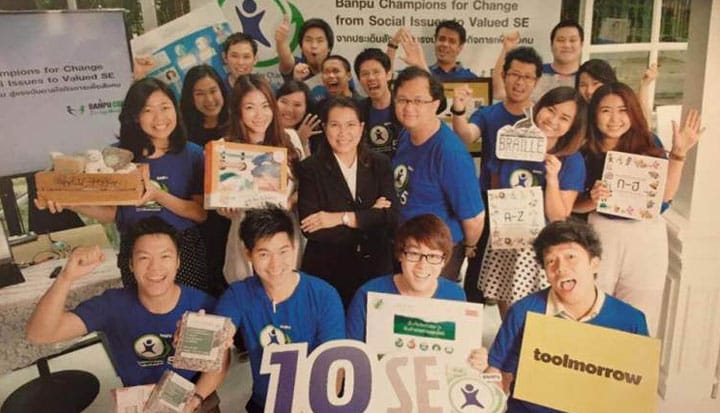
In South East Asia, 95% of coral reefs are endangered. In Thailand the richest quartile of the population own around half of the country’s income, whilst the poorest quartile have less than 10%. Only 38% of the population are educated to a secondary level and social and environmental problems are rife. The Thai Social Watch […]
Access to Finance, Gender Bias and Climate Change Resilience for Smallholders
Olam expands on lessons learned from 5 years of the Olam Livelihood Charter Despite extensive progress being made under its Livelihood Charter, global agri-business Olam predicts that smallholder productivity across Africa, Asia and South America will still be massively hindered by lack of access to finance, equality for women and climate change impacts, unless far […]
Sustainable Business and Sustainable Development – Two Sides of the Same Coin
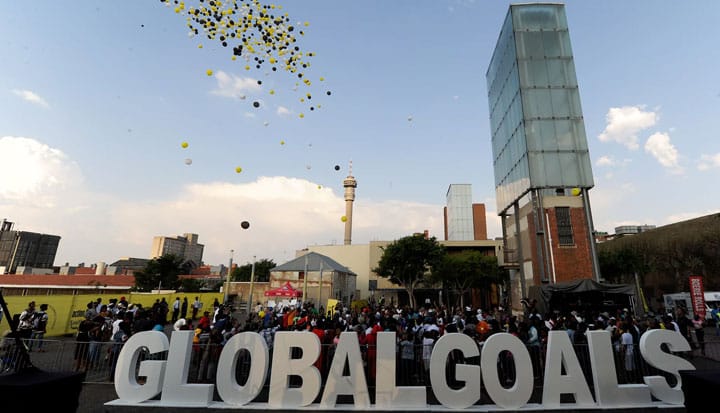
Bhaskar Chakravorti explores how achieving the sustainable development goals is dependent on global business taking a leading role, but equally, the SDGs will help business orchestrate action. The UN General Assembly committed to “eliminate poverty in all its forms everywhere” by 2030, when it met in New York last year. The Sustainable Development Goals (SDGs) […]
How Can Sustainable Development Remain a Priority?
Bhaskar Chakravorti explores innovation in sustainable development amid Brexit, anti-globalisation and a worldwide slowdown. The summer is heating up with reminders that the first anniversary of the launch of the2030 Agenda is not far – and when it comes to implementing sustainable development worldwide, time passes rather quickly. The high level political forum (HLPF) on […]
Helping Companies Create Positive Outcomes, Step-by-Step
“All corporations seek to differentiate themselves and look for new ways to create value. But when many traditional routes have been exhausted, how does an organisation change the way it does business?” This fundamental question is at the heart of the recently released Practitioner’s Guide: Steps to Corporate Investment, Innovation, and Collaboration (now available in […]
Labour Rights in Unilever’s Vietnam Supply Chain
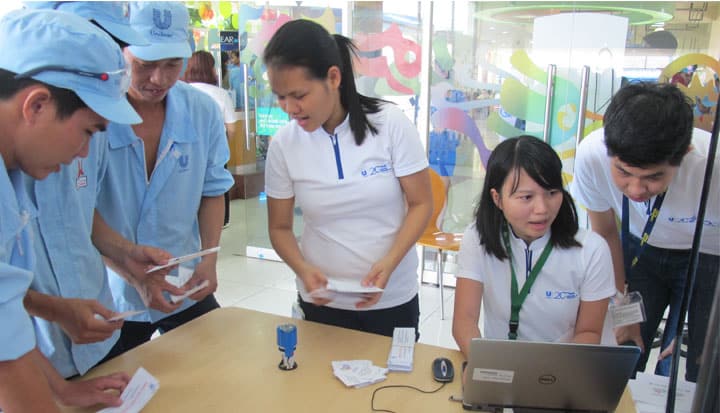
Rachel Wilshaw, Ethical Trade Manager for Oxfam, introduces their latest report on labour rights in Vietnam, a unique study done in conjunction with Unilever. Five years ago, Oxfam and Unilever agreed to an unusual study. Unilever opened up its business so Oxfam could understand how it managed labour rights, and what this meant for workers […]
Unleashing Inclusive Business for the SDGs

On 5th June 2016, Business Call to Action (BCtA), in cooperation with The Partnering Initiative (TPI), SNV Netherlands Development Organization, UNDP Bangladesh and Business Fights Poverty hosted an exclusive invite-only event introducing Inclusive Business in Bangladesh to achieve the Sustainable Development Goals – a part of the 2030 Agenda for Sustainable Development. The primary objective […]
Interview with Komal Sinha on CSR Trends in India
Komal Sinha, Head of Partnerships at ClimateCare’s India Office, has been working with CSR teams to plan and implement corporate social responsibility programmes in large corporates in India for over 10 years. In that time, she has witnessed a drastic shift in how organisation’s CSR priorities have changed. Two years on from India’s implementation of […]
Why International Volunteering is (In)valuable to Your Company
Getting involved in international corporate volunteering can leave you with mixed emotions. It sounds alluring, but you might get laughed out of the board room for making the case. The crucial question you will need to answer is; what would volunteers and the business get in return from spending anything from a month to a […]
Tackling Slavery in Supply Chains – What Can We Do?
The ILO estimates that there are approximately 21 million people enslaved around the world at present – these will include many people who are in bonded labour, those trafficked and kept against their will in enslaved situations – but slavery also exists in global supply chains. Modern Slavery can also take the form of exploitation […]
Three Key Steps to Empowering Women in Global Value Chains

Global value chains can be a powerful lever for empowering women, but companies must identify where women work, must develop a clear gender strategy and must articulate the business case for supporting women. As the UN High Level Panel on Women’s Economic Empowerment continues to develop its thinking over the next few months, they should […]
Transforming Cotton Supply Chains in Côte d’Ivoire
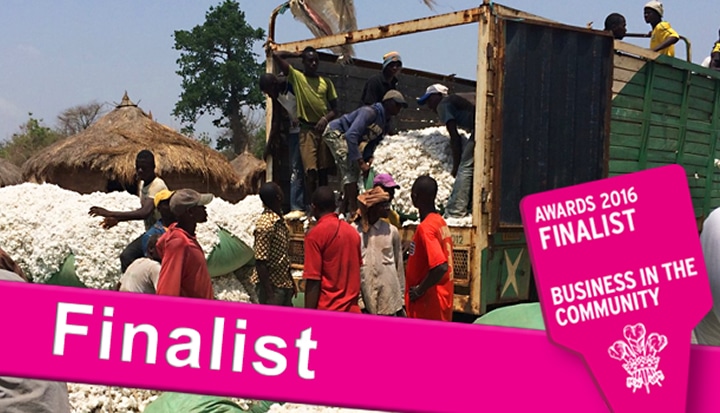
Olam International is a Finalist in the Unilever Global Development Award supported by Business Fights Poverty. We asked them some questions about their programme and the lessons learnt. Q) How did Olam International’s programme begin? When we began operating in Côte D’Ivoire in 2008 we had to consider a number of risks. The region was […]
Catalysing Impact Investing in East Africa
FSG’s newest office, located in Mumbai, houses our inclusive markets team, which works to develop and scale inclusive business models to create new opportunities and better lives for the global poor. Learn more about our inclusive markets approach. While East Africa has demonstrated robust growth over the past years, poverty is still widespread. Across the […]
Innovations in Safe Water for Millions
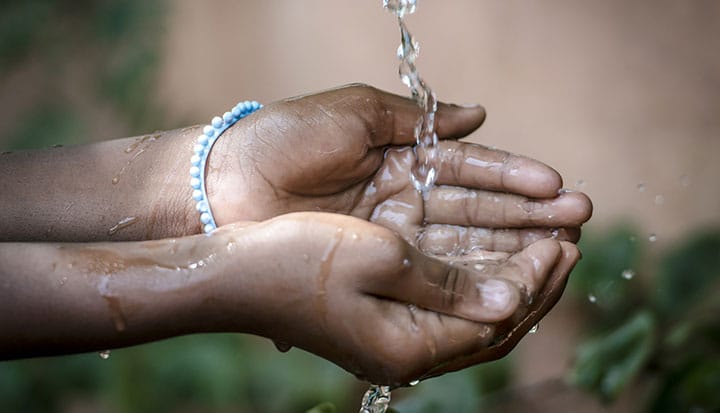
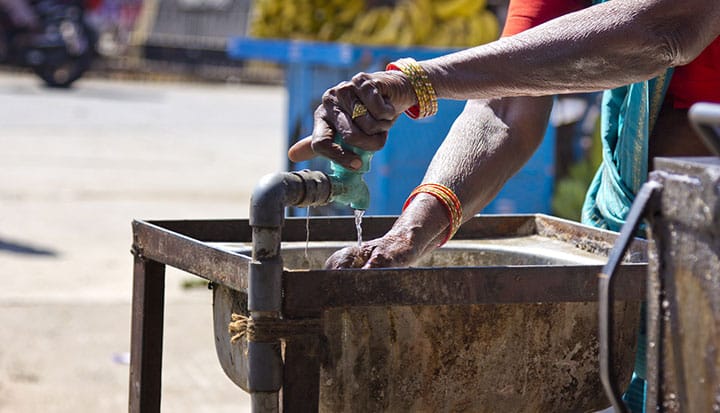
Unsafe drinking water is a global problem that affects more than 660 million people every day. And yes, we know there are low-cost solutions that have been proven to work in rigorous scientific studies – for millions of people with the least access to safe drinking water. Evidence Action is a social enterprise that develops […]
Effective Workplace Policies and Practices

Hope is not a strategy for righting gender imbalances that have long been the norm in most businesses and beyond. Instead, a strategy addressing material issues, supported by policies and practices applied internally and externally, can deliver business benefits as well as benefits for individuals. Research shows that a more diverse workforce delivers financial returns […]
Unleashing Inclusive Business Towards the SDGs
The Business Call to Action (BCtA) – a United Nations Development Programme (UNDP) hosted global platform showcasing private sector contribution to the SDGs through inclusive business – in collaboration with Inclusive Business Accelerator (IBA), SNV Netherlands Development Organization (SNV), The Partnering Initiative (TPI) and Business Fights Poverty hosted an invitation- only event to discuss how […]
Barriers Facing Rural Producers in Post-conflict Colombia
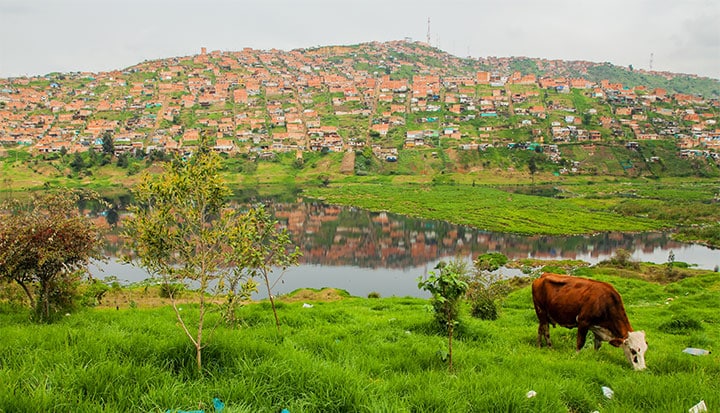
In May, as part of my role as ACRE’s (Access to Capital for Rural Enterprises) project lead, I spent ten days in Colombia scoping the impact investment space and the barriers facing rural producers in a country that it is now emerging from fifty years of civil conflict. Colombia, a country emerging from 50 years […]
Partnering for Mutual Benefit not Dependency
In the early 2000’s I was seconded to a large multi-national company to work on an exciting inclusive business (IB) project that the company’s chief executive had recently announced to the world at a major conference. With a UN organization playing a convening role, the project was designed as a partnership that would transform small […]
Empowering Women Through Work
One of the first activities we launched in our Challenge on Women’s Economic Empowerment was the business survey created by DFID and introduced in a blog by the UK Secretary of State for International Development, Justine Greening, on 25 April. The survey asked respondents to share both the challenges and successes their businesses have seen […]