Switching to digital delivery during COVID-19: Key lessons
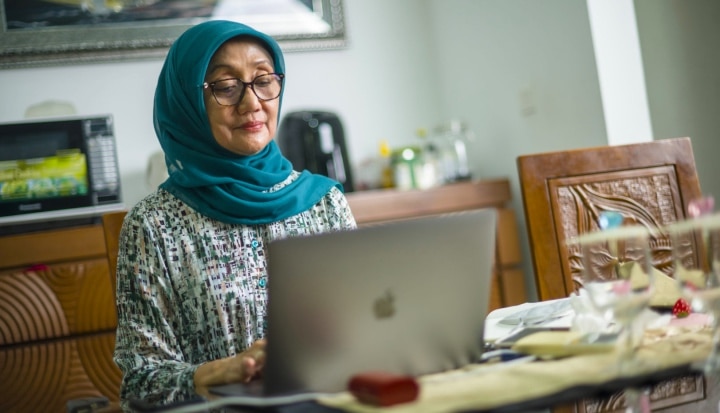
Existing inequalities relating to caregiving, to the digital divide, and to inadequate financing have been exacerbated during the pandemic—particularly in low and middle income countries—and overall, women-led businesses have generally seen larger declines in sales and profits, and have been more likely to close down (at least temporarily). ‘Life has been anything but business as usual for […]
What is a value chain? And why you should care.
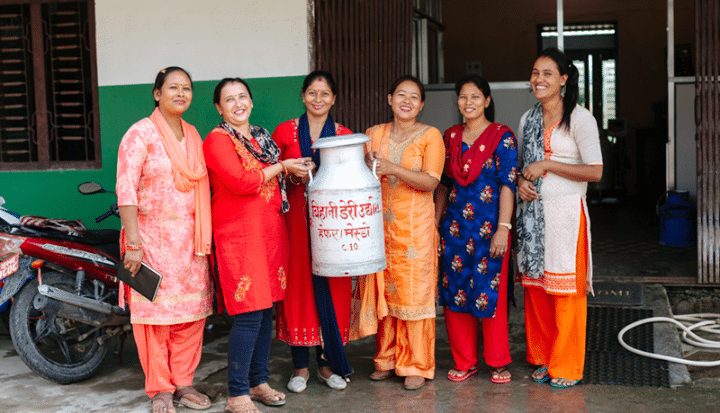
Several years ago the women of Bihani Dairy, a Heifer-supported agricultural cooperative in southwestern Nepal, had an idea: Provide a collection center for milk produced by the area’s dairy farmers, an enterprise move that would reduce waste and offer farmers, who were otherwise forced to sell as quickly as possible for below-market fees, a chance to create […]
Spotlighting Fairtrade and Aldi UK’s ‘Dignity for All’ – a programme for female flower workers
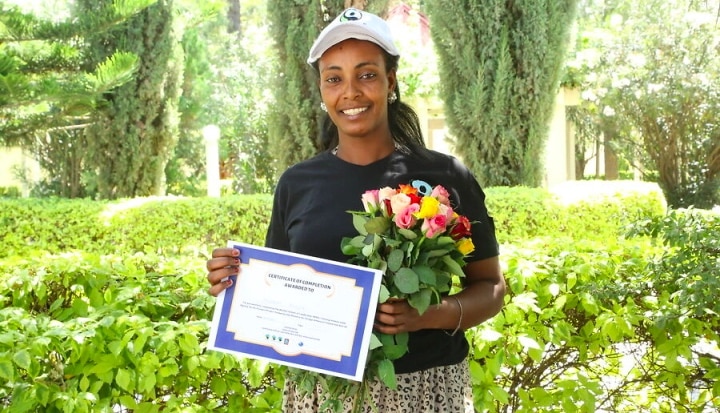
“Women have the potential of taking up leadership positions and roles, unlike in previous years when women were considered irrelevant and/or unable to lead and work equally as men”. This sentiment may seem like a given to most readers, but for the 25-year-old flower farm worker from Ethiopia who said these words it was a […]
The chocolate entrepreneurs of Peru
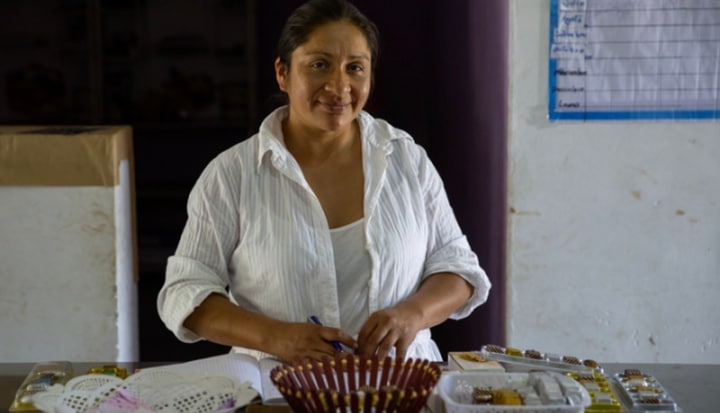
In El Palo Blanco, a small town in the northeast of Peru, locals have been growing coffee and cocoa for generatins. But because Palo Blanco is situated in the lower lands, at the foot of Piura’s mountainous region, it is getting hotter each year, unpredictable weather and increasing prevalence of pests and diseases that threaten […]
Inclusive future of work for women with disabilities
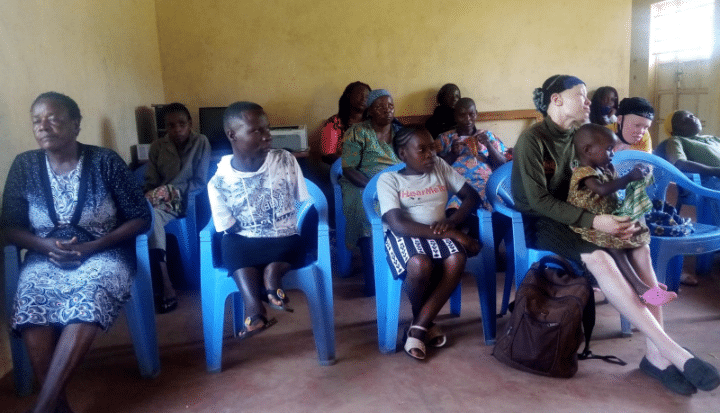
Globally inclusion possess concerns on how to ensure that the future of work is inclusive, whereas leaving no one behind, for the over one billion persons with disabilities (PWDs). Ensuring an inclusive future of work is part of the 2030 Agenda and Sustainable Development Goals (SDGs). It is worth noting that article 27 of the […]
With their own businesses and as workers, Egypt’s women can be winners
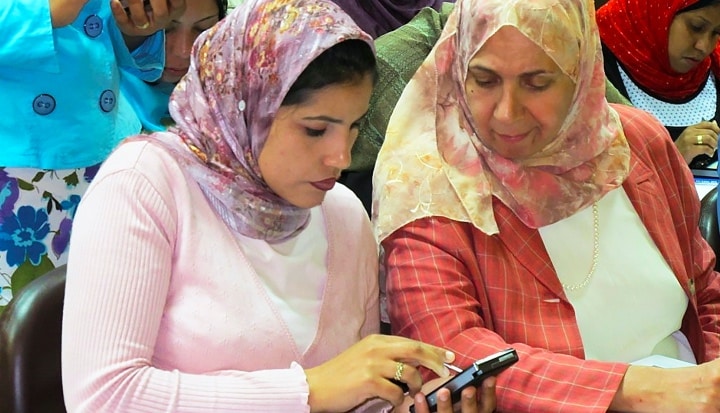
Rabeha is Arabic for “winner”. It is the brand name for a programme to provide women in Egypt with the means, knowledge and confidence to realize their unique and valid work-related goals, either as entrepreneurs, early-stage businesswomen or as paid employees. The Rabeha programme, run jointly by the United Nations Industrial Development Organization (UNIDO) and […]
Empowering underserved women around the globe
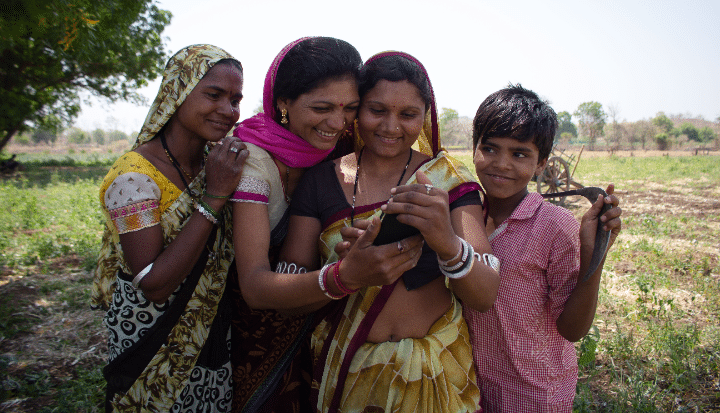
A look at inspiring inclusive business ventures and supporters to underserved women In Zambia, beekeeping used to be men’s work. Making beehives from barks and hanging them high up into trees requires strength. Later, farmers spend days in the fields to harvest honey. For women with children, this is hardly possible. This is gradually changing. […]
Robust social metrics for ESG investing: A practical way for boards to invest for impact
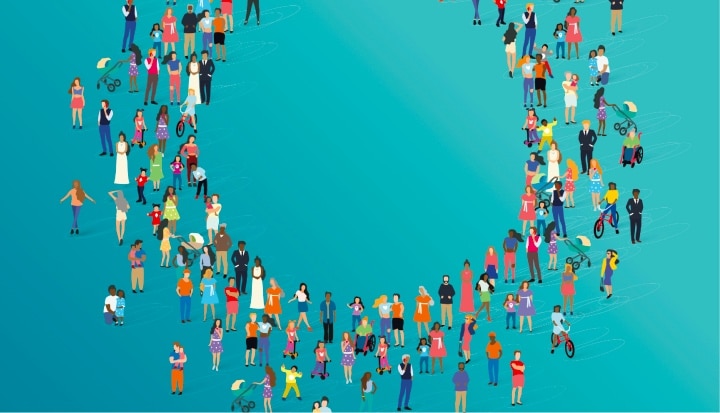
A new report published by Citigroup with SOPHIA Oxford shows how multidimensional social factors can be used by investors and corporates to reduce poverty, lower risk and open up large financial investment opportunities. The innovative approach based on a proved Oxford methodology looks at indicators that can flow from the household level through to the […]
The time to accelerate the “S” in ESG is now

She looks up with tears in her eyes and explains in Bengali that her children are now too old, and she missed her chance to get the legal allowed months for mother’s leave. The scene takes place in a small humid room in one of the thousands of factories in the ready-made garment sector in […]
‘Inequality kills’ but only 1% of companies show social responsibility

Millions are dead from COVID-19 whilst hundreds of millions have been thrown back into poverty. 99% have seen their incomes fall in the pandemic, while the 10 richest men doubled their wealth. As stock markets hit historic highs, what are the chances that companies can help address the problem of growing inequality? According to the […]
Addressing Forced Labor from the Bottom Up
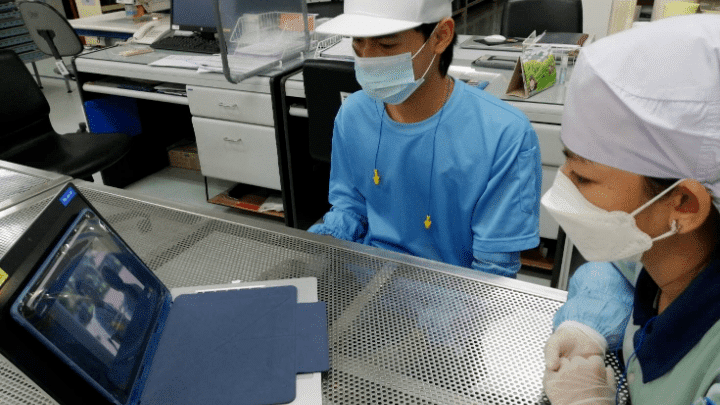
Forced labor, also referred to as modern slavery or involuntary work, is one of the most pervasive issues facing supply chains today. According to estimates from the International Labor Organization (ILO), there are 25 million people in forced labor. Forced labor can take many forms in the supply chain from debt bonded labor to underage/child […]
Boda Boda, Economic Development and the Future of Work
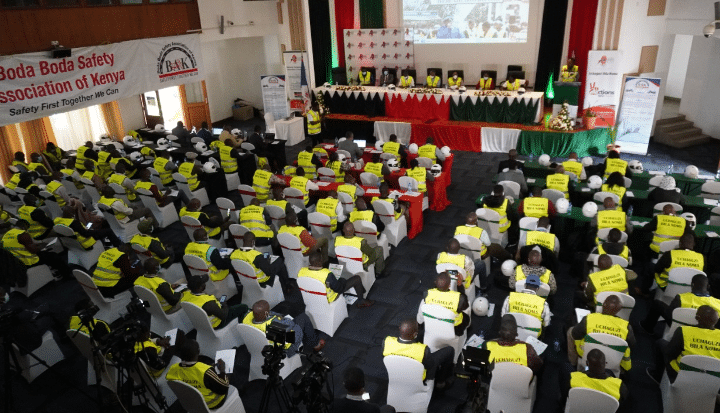
The term BodaBoda originated from Busia County, Kenya in the late 80s. It was used to refer to bicycle taxis that drove passengers and light luggage across the border town of Malaba. The cyclists of these taxis would shout, “Border!Border!Border……” to attract those that were heading towards the Ugandan border. Thus the adoption of the […]
Looking ahead to 2022: climate justice, food systems and the private sector
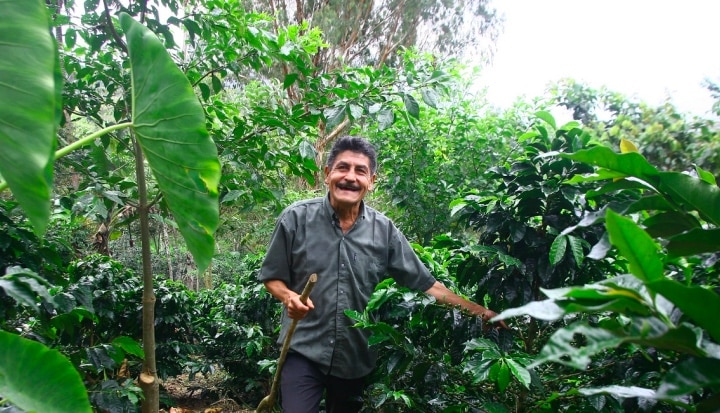
Accelerating climate justice Maria Claudia, our Business Development Officer in the Peru office took part in the Climate Justice series event at COP 26 as a panellist with others from Facebook, HBL Habib Bank and BioMec where they discussed and shared questions with young innovators at the forefront of creating our green inclusive future. Overall, […]
A transformative journey: Kasha’s mission to provide equal health access to all women
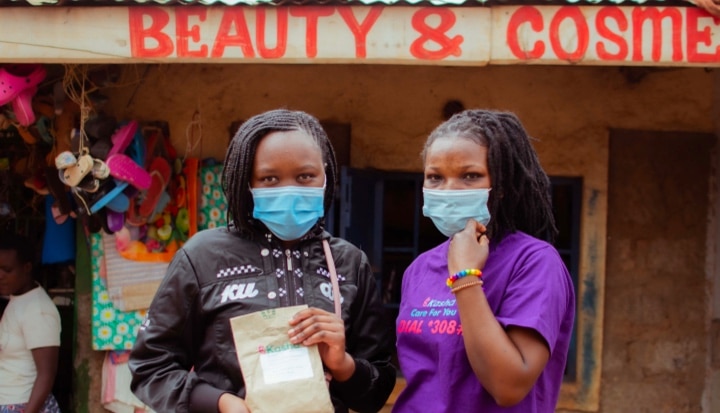
There are a number of organisations striving to achieve the UN’s Sustainable Development Goals. Perhaps the fastest way is the rapid scale up of enterprises that make a real impact on people’s lives in low-income countries. Joanna Bichsel saw an opportunity to change the way that women in emerging markets get the health and self-care […]
Are you a social innovator working to increase access to healthcare? Apply now!
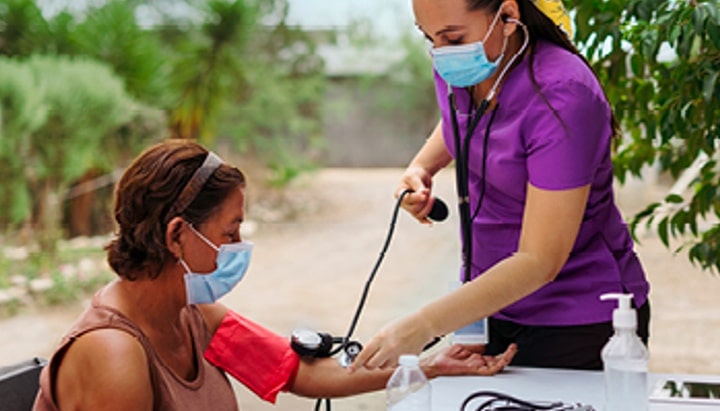
Health expenditures push an estimated 100 million people worldwide into extreme poverty every year; Only 290 million people worldwide (less than 4% of the world population) have access to Universal Health Coverage; According to the World Health Organization, the number of individuals that suffered financial hardship from healthcare payments increased in the last decade; The […]
Seeking entrepreneurs and SMEs that are innovating in the care economy
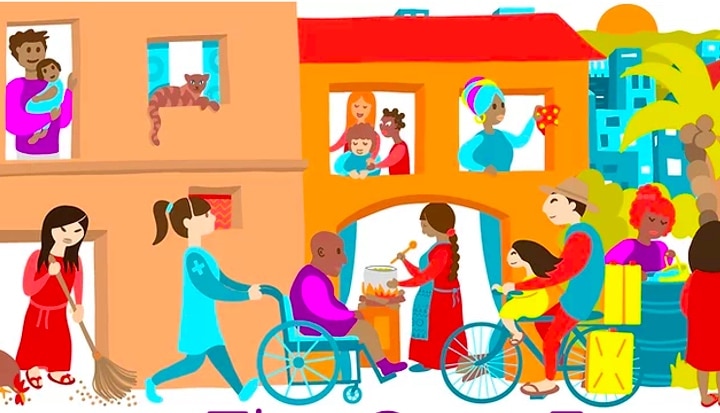
The entire global economic system relies on care giving – the millions of unrecognised and under-valued hours spent ensuring offices are cleaned, children and the elderly are taken care of, and food is prepared for families and workers. Usually this type of work is viewed as a ‘burden’, and a barrier to women’s economic empowerment, […]
Powering the just transition – The biggest opportunity for inclusive business
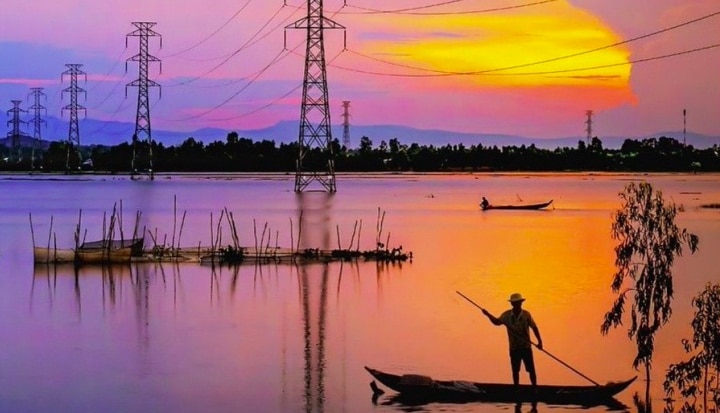
Next year, I will celebrate my 10th anniversary in the inclusive business community. Supporting the Asian Development Bank’s IB initiative in Manila in 2012, an amazing universe of thought leaders and pioneering companies, investors and policymakers opened up to me. Driven by the desire to achieve social impact beyond the single bottom line, they have […]
The GSMA Innovation Fund for Climate Resilience and Adaptation

The GSMA, the UK Foreign, Commonwealth and Development Office (FCDO) and the Swedish International Development Cooperation Agency (Sida) have announced the launch of the GSMA Innovation Fund for Climate Resilience and Adaptation. The objective of this new Fund is to help accelerate the testing, adoption and scalability of digital innovations that enable the world’s most […]
Refocus, retool, reset: insights from a COVID-19 rapid response & recovery programme
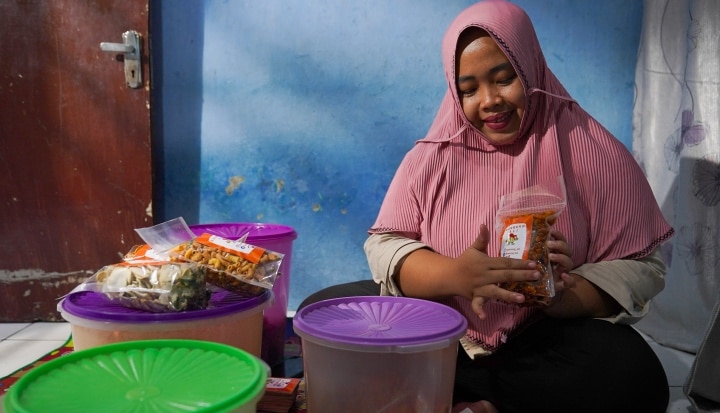
MSMEs, especially those led by women, youth, ethnic minorities, and migrants, were significantly impacted by COVID-19 with 70-80% facing major financial difficulties[1]. To support entrepreneurs to survive and even thrive in the pandemic, YBI members and delivery partners provided in-depth services through a rapid response & recovery programme to 145,738 entrepreneurs- with 77% reporting improved […]
The role of social procurement for inclusive value chains

By definition, social procurement leverages the purchasing power of companies to achieve broader social impact objectives. It goes beyond responsible sourcing which integrates and manages ESG criteria into the procurement process. Instead, it focuses on buying goods, materials, or services from social businesses with the explicit intention to create net positive impact. Why is that […]