What is a Refugee-Inclusive Business?
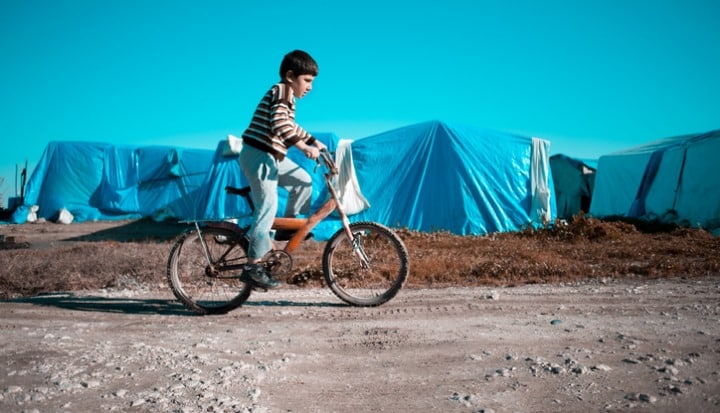
We stand #WithRefugees today on World Refugee Day and every other day of the year. A few weeks ago, the International Finance Corporation published a study revealing that the Kakuma refugee camp and surrounding neighborhoods in northern Kenya, one of the largest and long-standing refugee settlements, represents a US$56 million market opportunity. This is eye-opening […]
Exploring Last-Mile Distribution and BoP Marketing
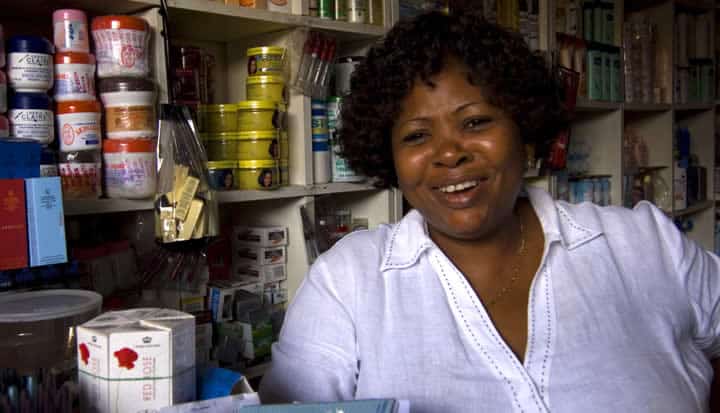
In the second article, introducing you to the experts and topics we’ll be exploring during our Business Fights Poverty, flagship conference in Oxford on 18th July, we introduce you to inclusive distribution, brought to you by BoPInc (& Every1Mobile), Hystra, and Practical Action. Founding members of the Global Distributors Collective (a partnership-based model that acts […]
Why Cash Is a Problem For Businesses Around The Globe
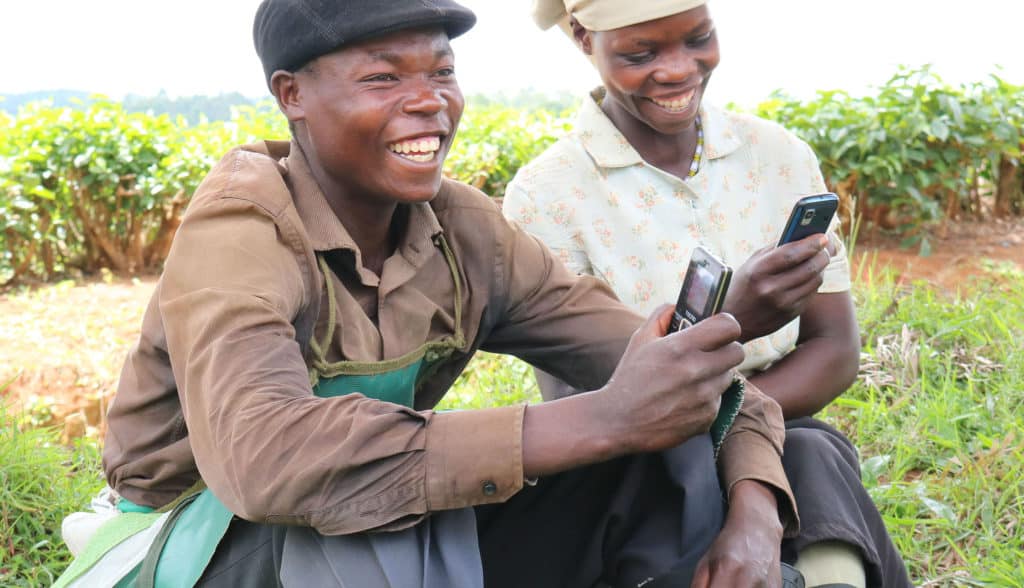
Until very recently, bags of cash were dropped by plane, every 15 days, in remote rural areas of Uganda to pay more than 8,000 workers on tea estate plantations. When the cash arrived, workers waited half a day in line to collect their wages and the company had to deploy nearly a hundred staff members […]
Bringing Business Back Home: Biomass Energy of Sri Lanka
In 2006, my London-based publishing house, Dakini Books, published the critically acclaimed ‘Global Warning – The Last Chance for Change’, Paul Brown’s fact-based book on climate change and its consequences for the planet and humanity. This book gave me phenomenal insight into what to expect in the next 20 years, and more importantly what we need […]
From Gender Lens to Inclusive Impact Investment

Defining impact by destination… A significant component of impact investment’s raisson d’etre is the promotion of economic development. But not just any investment qualifies as impact investment by contributing to economic development- an oil rig or a tobacco company can catalyze demonstrable GDP growth and job creation but are rarely classified as impact investments. […]
Making Payment Acceptance a Driver for Financial Inclusion
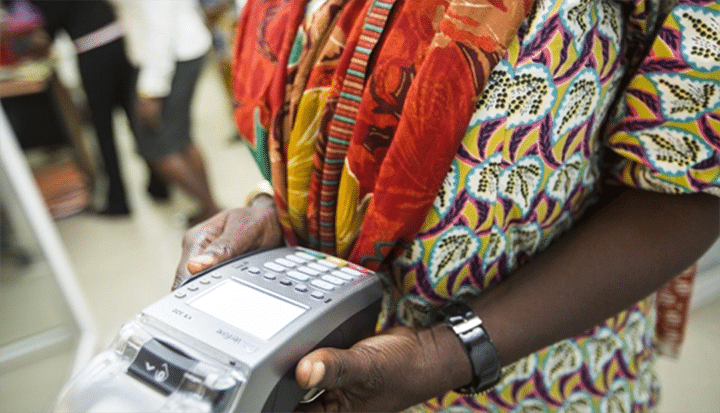
Ten years ago, 85 percent of the world’s transactions were in cash and checks, and 2.5 billion people were unbanked. Since then, we’ve all been working hard as an industry to develop technology that will give the unbanked access to the world of digital payments. Mastercard has connected more than 360 million people to formal […]
Success on Every Corner: How Mom-and-Pop Shops Can Drive Growth in Africa
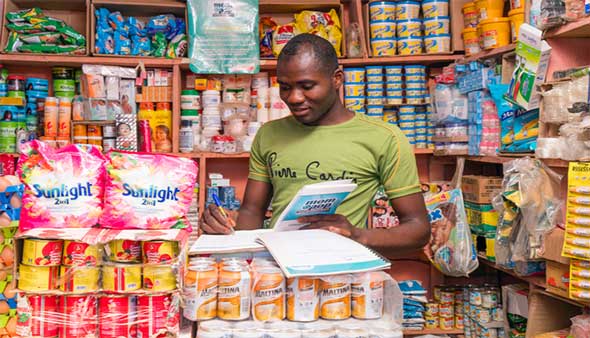
Peter Kimeu had a job working in hotels around Nairobi, Kenya, but his wages weren’t enough to support his family. After looking for an opportunity to improve his earnings, he decided to use his savings to open a duka—a small, neighborhood store selling basic consumer goods. The only problem was that Peter had never run […]
5 Ways Local Markets Help Refugees Rebuild Their Lives
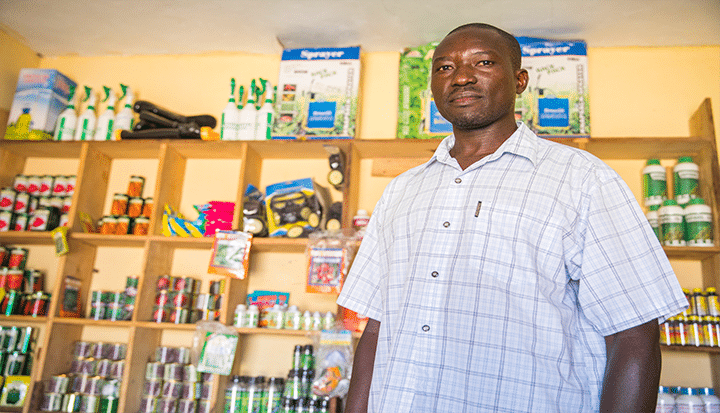
For four years, Uganda’s neighbour, South Sudan, has been at war with itself. This has resulted in two million people having had to flee their country, including one million to Uganda. 80 per cent of these are women and children. They are families who have lost loved ones, their homes, their land and their livelihoods, […]
Affordability – Beyond the Buzzword
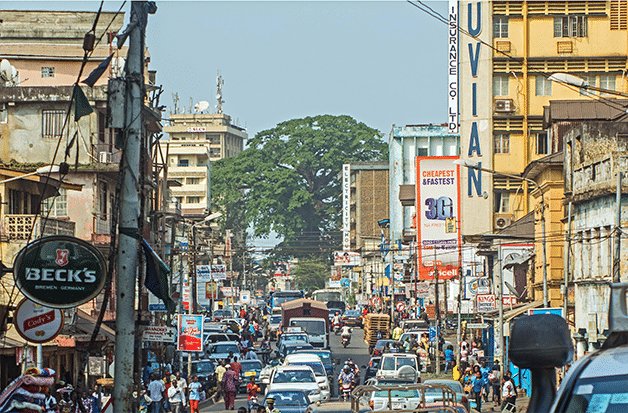
Affordability is at the core of much of our work as impact investors – from affordable electricity to housing, food, healthcare, education and many more. Yet ask someone to define what it means, and you may be met with little more than a blank stare. We recently conducted a straw poll of 20 impact investment […]
Female Employees Fast Tracked From Line Workers to Supervisors
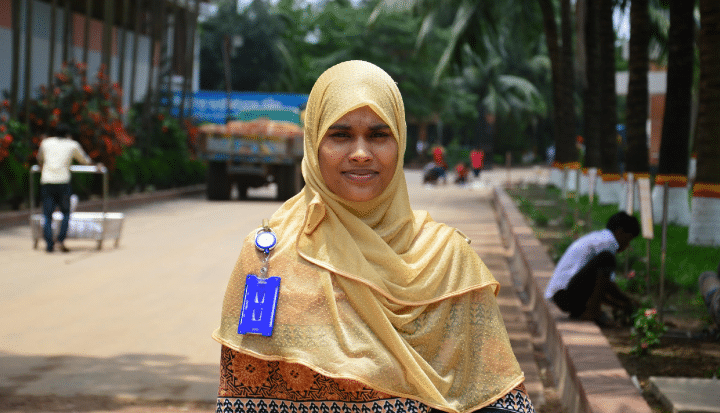
The readymade garments (RMG) industry in Bangladesh is the greatest contributor to female employment in Bangladesh; over 3.2 million of its employees live at the bottom of the economic pyramid (defined as people with less than US$10 per day in purchasing power in 2015 US dollars). Recognising this, at DBL Group we have focused on […]
A Collective Approach for Last Mile Distribution
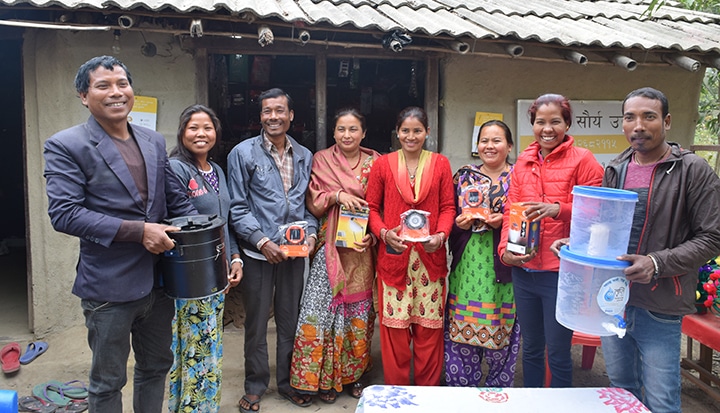
By Emma Colenbrander, Practical Action Billions of people worldwide lack access to everyday products that are fundamental to a better life. Products like solar lights, water filters and clean cooking solutions are transformative for poor families, and essential to achieving the Sustainable Development Goals. A range of businesses – called ‘last mile distributors’ – work […]
The Agricultural Models We Want Tomorrow
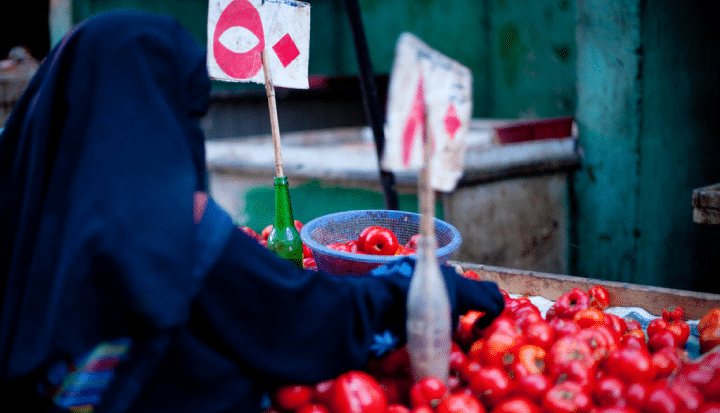
Rana, 45-year-old Egyptian mother of three, sells her vegetables on a wooden cart at the side of a dusty and bustling road in the heart of the Sayeda Zeinab district of Cairo. She stands there from sunrise to sunset every day to earn enough money to feed her children. Despite a relatively steady flow of […]
Access to Energy Through Mobile Is Changing Lives
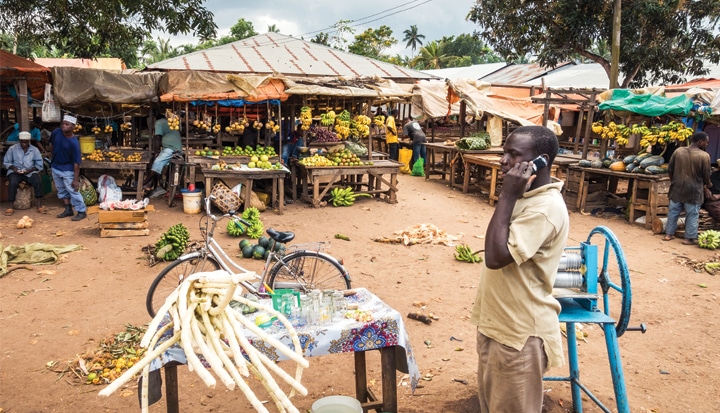
Over the last decade, the rapid growth of the mobile industry in developing countries has surprised observers. Access to mobile has increasingly outpaced access to basic services such as energy, water and sanitation. In fact, due to the slow expansion of the traditional energy grid, 1.2 billion people around the world still live without access […]
Delivering on the Promise of Inclusive Business
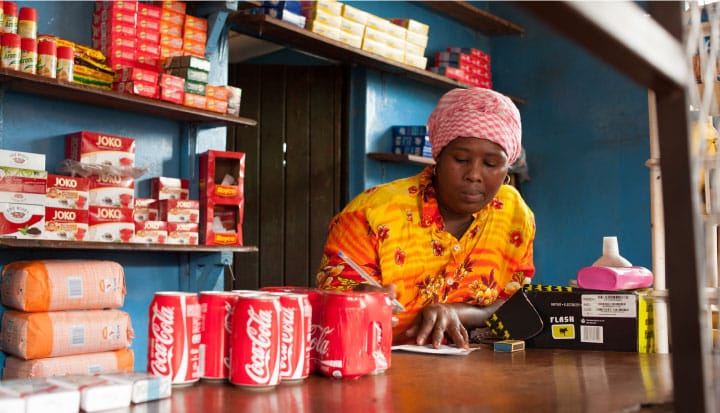
Back in November 2008, on a hot, dusty day in Dar es Salaam, I vividly remember the moment I met Lillian Kessy. I was immediately struck by her confidence, dignity and determination. Only a year earlier, Lillian was in a desperate financial situation. By the time I met her, she was busy building a small […]
How Host Country Business Can Benefit by Engaging Migrants/Refugees as Consumers and Employees
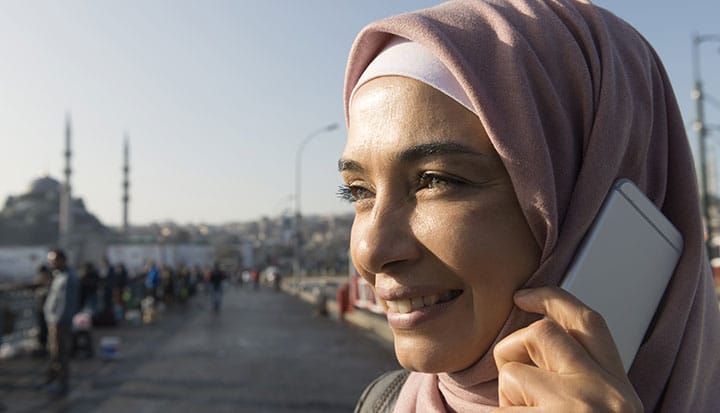
Whether voluntary or forced, migration trends indicate an increase in flows which require urgent, innovative responses. The estimated numbers of international (across country borders) and internal (within country borders) migrants are 244 million and 740 million respectively, representing one seventh of the world’s population. Migrants move predominantly for voluntary reasons, but 65 million are forcibly […]
How Can We Create an Enabling Environment for Inclusive Business?
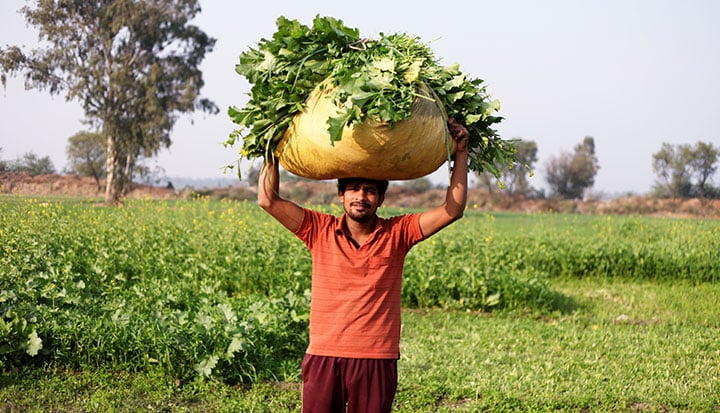
How can we create an enabling environment for inclusive business? When I started to work on this question on behalf of the DCED’s Business Environment Working Group, I expected a relatively straightforward scan of the literature – after all, quite a bit has now been written about what governments can do to help inclusive business […]
How to Achieve Financial inclusion through Data-free Mobile Banking
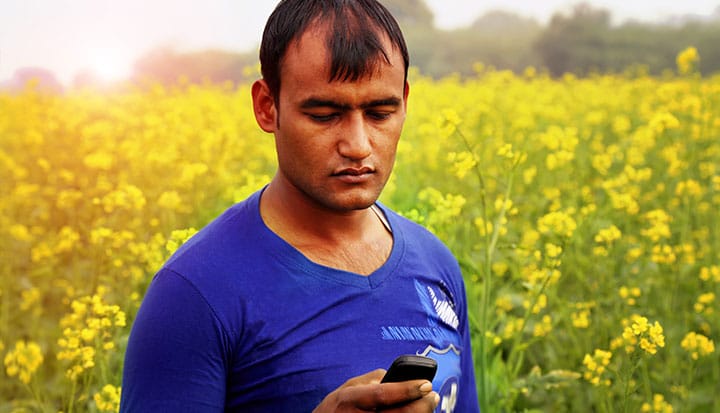
Two billion people, or 45% of the developing world’s adult population, do not have a bank account, other financial institution or mobile-money service.[1] Financial services are the lifeblood of an economy, giving households the ability to save, invest, and protect themselves against risk. The promise of digital technologies can give more people access to financial […]
Designing for People, Not Problems, Will Help Us Tackle the Global Sanitation Crisis
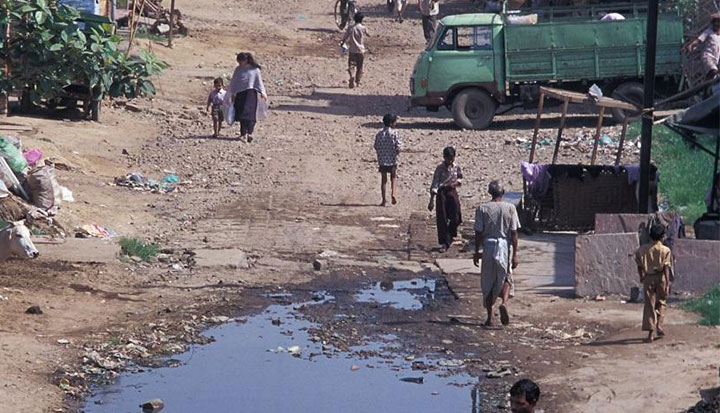
Toilets have transformed the way we live today. From health, to safety, to convenience – being able to access a toilet from the comfort of our own home no longer seems like a luxury. That’s why to many of us, World Toilet Day – which takes place this week on 19th November – may seem […]
How Financial Inclusion Can Move People Out of Poverty
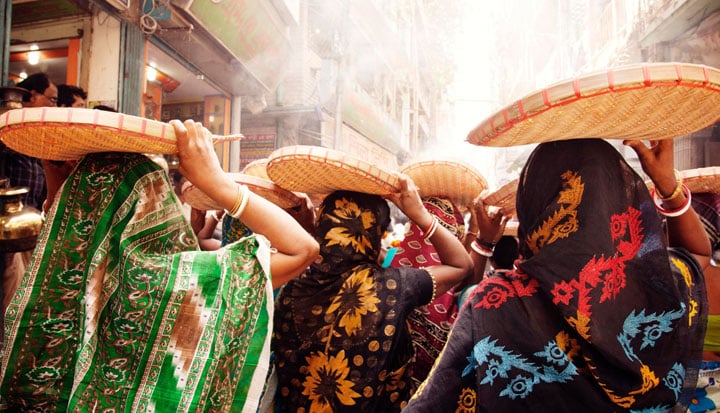
By Nina Nieuwoudt, Global Product Development, New Consumers Around the world this week, governments, multilaterals, and companies are coming together to celebrate Financial Inclusion Week. It’s an opportunity to reflect on the progress that we’ve made in extending financial access to un-banked and underbanked communities, and also a time to take honest stock of how […]
Food Processing as the Missing Link in Africa’s Value Chains
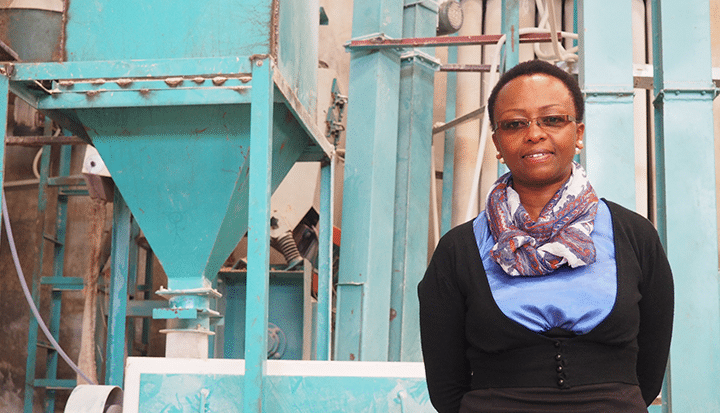
In 1998, Pauline Kamau started her maize-milling business with a few machines in her mother-in-law’s basement in Kenya. Soon, the business grew to fill a small factory. She hoped to supply her community with high-quality maize flour, which is the local staple food, but demand outstripped her production capacity: “It was a good problem when […]