Why Investing in Informal Women Workers is Critical to Maintaining Resilient Supply Chains
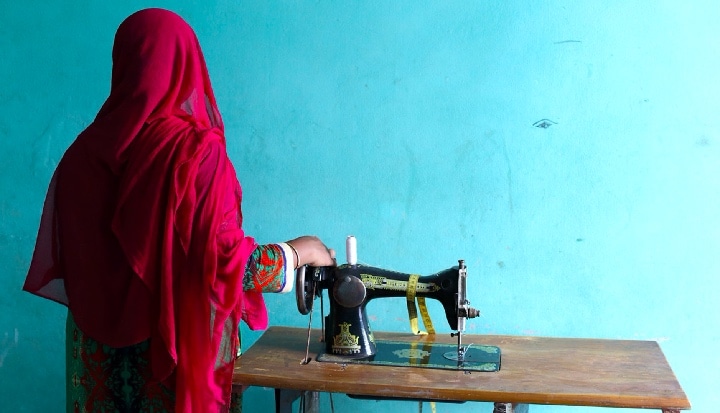
Over 60% of the world’s employed population make their living through informal work, with no access to formal contracts or protection. Women make up a disproportionate percentage of informal workers, with 740 million women’s livelihoods dependent on the informal economy globally. Lack of secure employment contracts or social protection for these workers means that when […]
Real-time information for famers enables climate change adaption
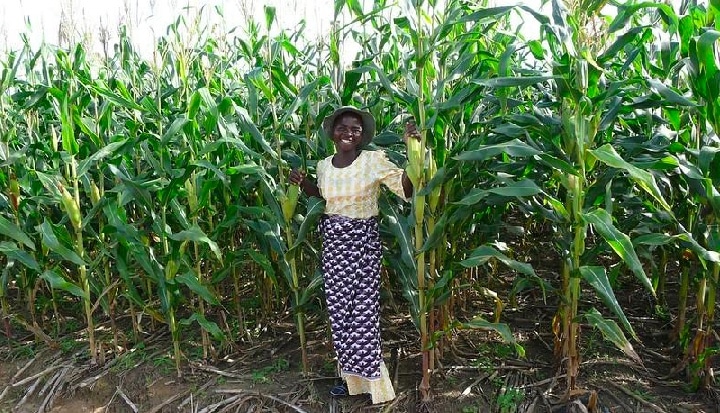
How does Lentera use data to enable farmers to adapt to climate change? We use satellite and weather data to provide farmers with crop specific advice with regards to fertilizers, pests and diseases, and water management of their farms. This helps farmers adapt their agronomy practices in line with changing climate patterns. We also use […]
Combating rural poverty through Inclusive Business
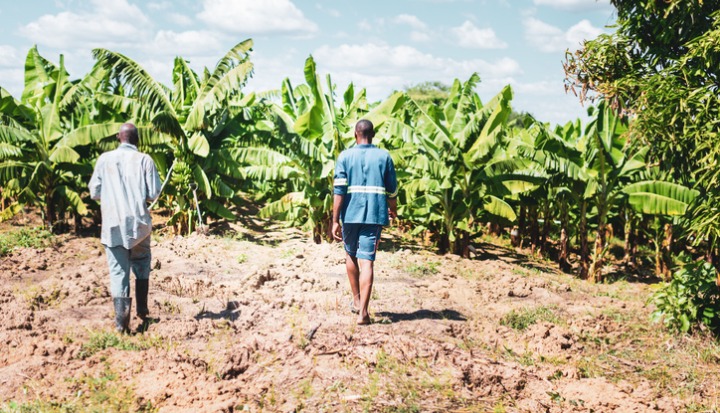
Maize is the staple crop for 1.6 million smallholder farmers in Zambia. It is their main food, their source of cash – and their nemesis. Growing maize in monoculture, lacking access to inputs, and relying on traders to reach markets, most smallholder farmers stay desperately poor. According to the World Bank, more than three out […]
Tackling inequality – an integral component to long-term business success

Sustainability has become mainstream. Today more than ever, business is expected to take action to tackle the climate emergency, bring greater sustainability into value chains and be held accountable for these efforts. Capital markets, consumers, and governments are all in agreement that sustainability is the only long-term success for business – as well as for […]
Why decolonizing philanthropy is important now more than ever and how to achieve it
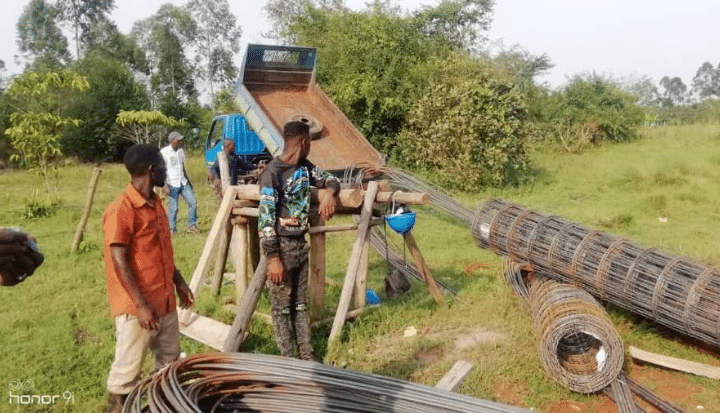
In the nonprofit world, organizations often talk about bringing community members in to have a seat at the table. This is especially true as organizations now work to meaningfully respond to persisting inequity in the nonprofit space. However, at The InteRoots Initiative – a United States-based philanthropic organization that works both domestically and globally – […]
Prioritising engaging with workers and other stakeholders for human rights
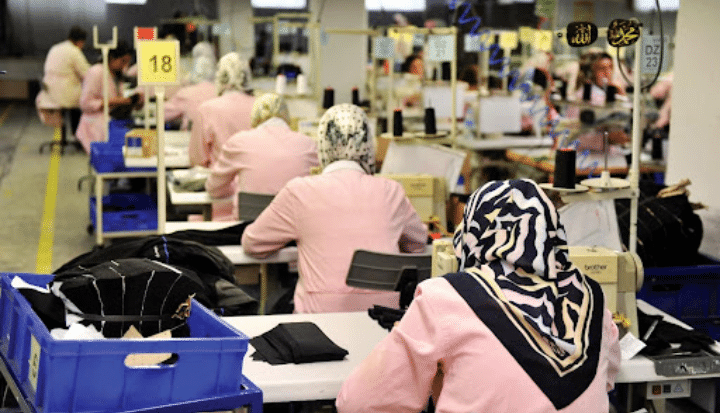
Ensuring corporate respect for human rights is fundamentally about people, revolving around how companies become aware of, prevent, mitigate and remediate actual and potential negative impacts on the rights of individuals and communities. Respecting the rights of these people can only be done effective by seeking to understand their experiences and perspectives. In other words, […]
Engendering Regeneration for Supply Chains that Last
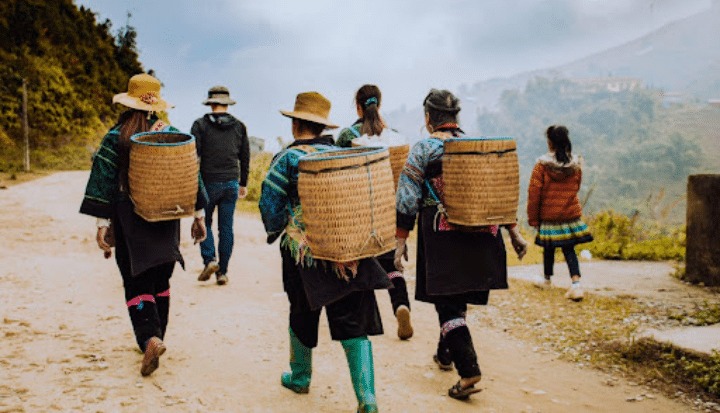
In a decade marked by climate shocks, pandemia, and global interconnection, the call to #InvestInOurPlanet is top of mind for individuals and companies – not just for Earth Day but for the future of life and business as we know it. Food and beverage corporations sense the urgency to transition to more renewable sources for […]
The path to living wages for low-paid workers worldwide
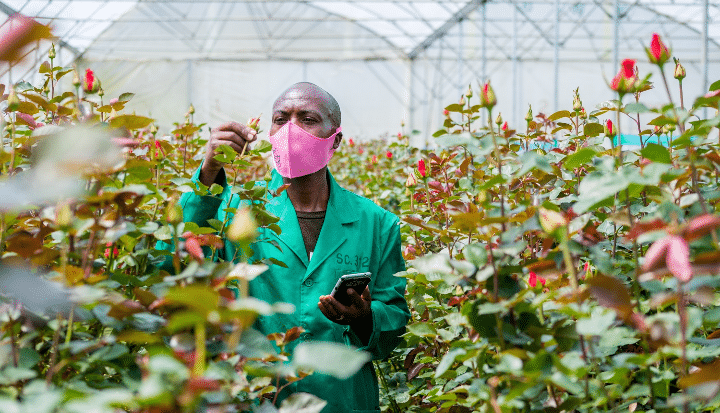
Recent crises worldwide have highlighted how fragile our global supply chains can be when disaster strikes. Whether it’s Covid-19, climate or conflict-related, these crises underscore the importance of ensuring the people who produce our goods and food earn enough to protect their livelihoods from shocks. At Fairtrade, we are committed to achieving living wages for […]
Inclusive business models can help close the gender gap
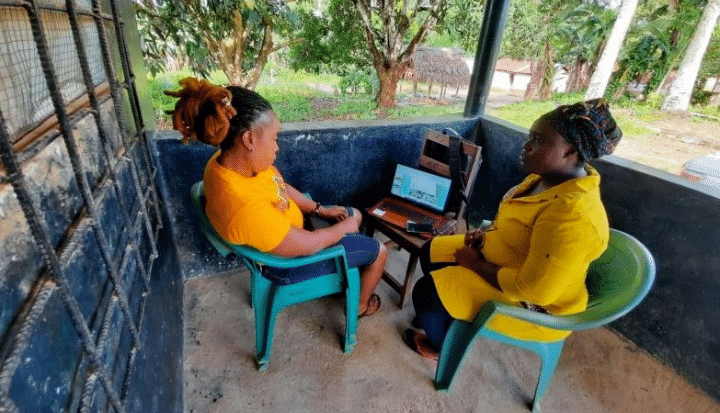
Even a successful inclusive business model does not automatically eliminate long-held prejudice and bias against women. “Supporting women in agriculture is the right and smart thing to do” – this has been our motto at GROW Liberia for the last five years. But what does this mean in practice? How do you convince partners – many of whom […]
Race to the top: How we pushed supermarkets to take human rights seriously
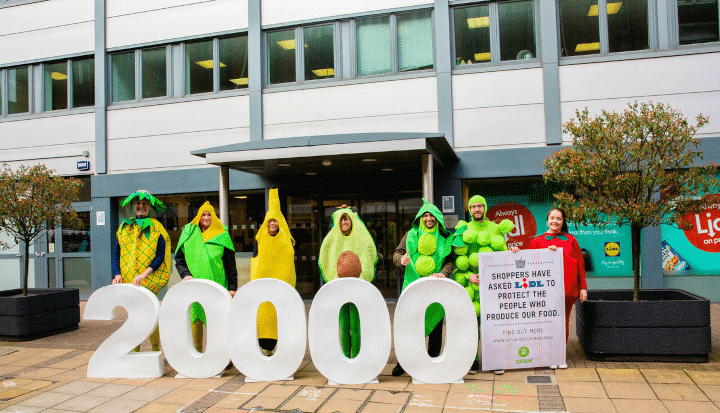
“Five kilos of extra beans on each worker’s table,” says Joseraldo Medeiros, a union leader in Brazil’s fruit exporting region of Rio Grande do Norte. “If we hadn’t fought for this, workers would not have received [the equivalent of] five kilos of beans in their salary.” The five kilos of beans cost 40 reais, or around $8, […]
What is a value chain? And why you should care.
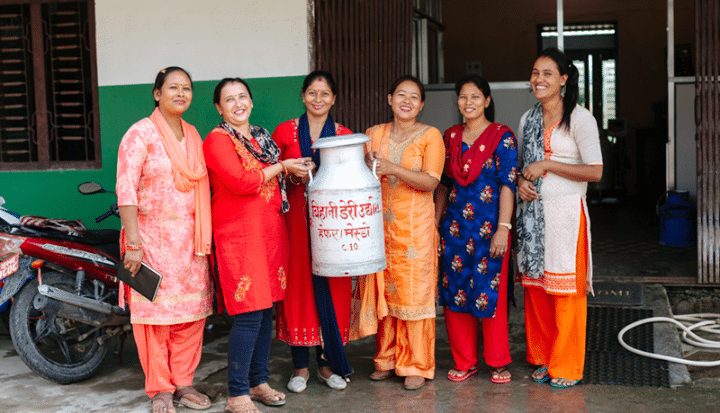
Several years ago the women of Bihani Dairy, a Heifer-supported agricultural cooperative in southwestern Nepal, had an idea: Provide a collection center for milk produced by the area’s dairy farmers, an enterprise move that would reduce waste and offer farmers, who were otherwise forced to sell as quickly as possible for below-market fees, a chance to create […]
Spotlighting Fairtrade and Aldi UK’s ‘Dignity for All’ – a programme for female flower workers
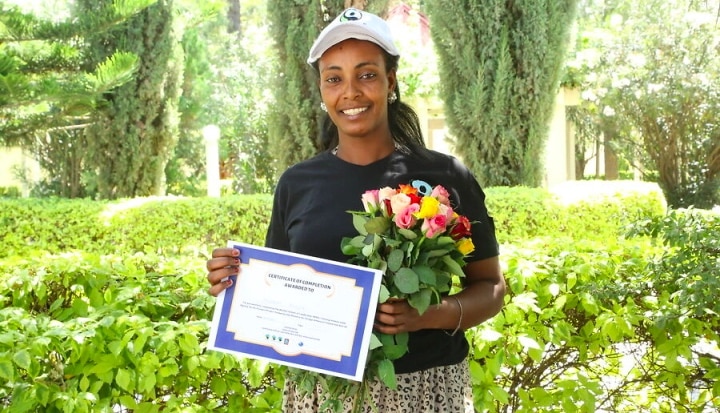
“Women have the potential of taking up leadership positions and roles, unlike in previous years when women were considered irrelevant and/or unable to lead and work equally as men”. This sentiment may seem like a given to most readers, but for the 25-year-old flower farm worker from Ethiopia who said these words it was a […]
Inclusive future of work for women with disabilities
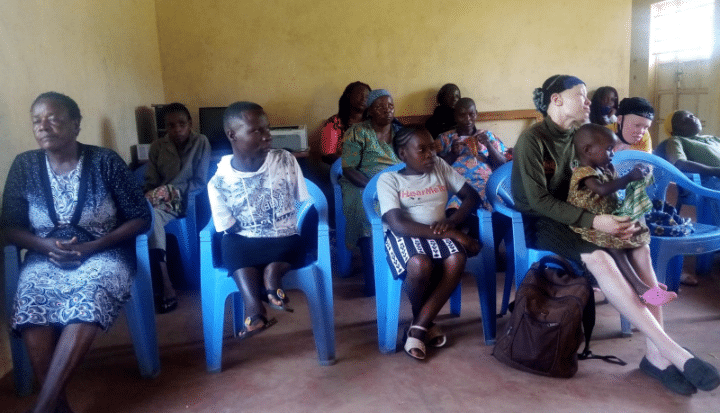
Globally inclusion possess concerns on how to ensure that the future of work is inclusive, whereas leaving no one behind, for the over one billion persons with disabilities (PWDs). Ensuring an inclusive future of work is part of the 2030 Agenda and Sustainable Development Goals (SDGs). It is worth noting that article 27 of the […]
With their own businesses and as workers, Egypt’s women can be winners
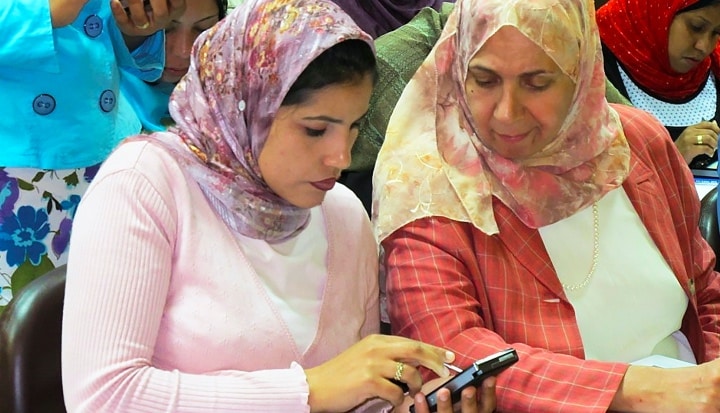
Rabeha is Arabic for “winner”. It is the brand name for a programme to provide women in Egypt with the means, knowledge and confidence to realize their unique and valid work-related goals, either as entrepreneurs, early-stage businesswomen or as paid employees. The Rabeha programme, run jointly by the United Nations Industrial Development Organization (UNIDO) and […]
Empowering underserved women around the globe
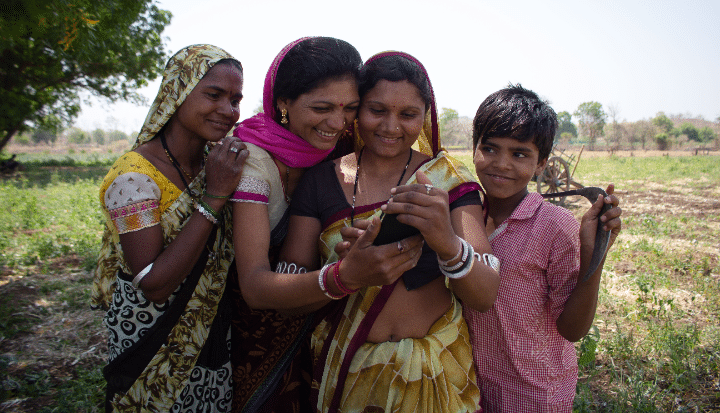
A look at inspiring inclusive business ventures and supporters to underserved women In Zambia, beekeeping used to be men’s work. Making beehives from barks and hanging them high up into trees requires strength. Later, farmers spend days in the fields to harvest honey. For women with children, this is hardly possible. This is gradually changing. […]
Robust social metrics for ESG investing: A practical way for boards to invest for impact

A new report published by Citigroup with SOPHIA Oxford shows how multidimensional social factors can be used by investors and corporates to reduce poverty, lower risk and open up large financial investment opportunities. The innovative approach based on a proved Oxford methodology looks at indicators that can flow from the household level through to the […]
The time to accelerate the “S” in ESG is now

She looks up with tears in her eyes and explains in Bengali that her children are now too old, and she missed her chance to get the legal allowed months for mother’s leave. The scene takes place in a small humid room in one of the thousands of factories in the ready-made garment sector in […]
‘Inequality kills’ but only 1% of companies show social responsibility
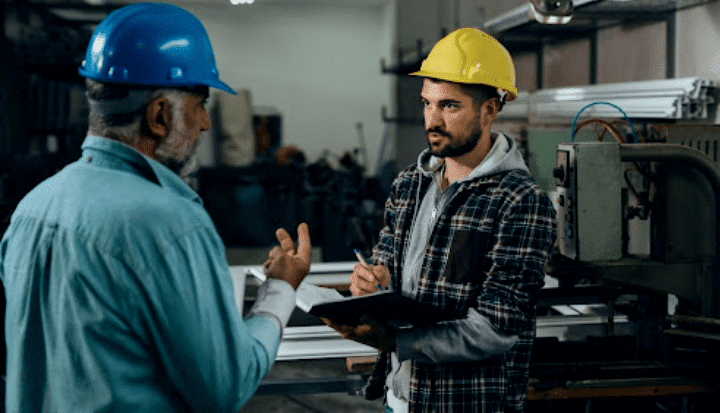
Millions are dead from COVID-19 whilst hundreds of millions have been thrown back into poverty. 99% have seen their incomes fall in the pandemic, while the 10 richest men doubled their wealth. As stock markets hit historic highs, what are the chances that companies can help address the problem of growing inequality? According to the […]
Addressing Forced Labor from the Bottom Up
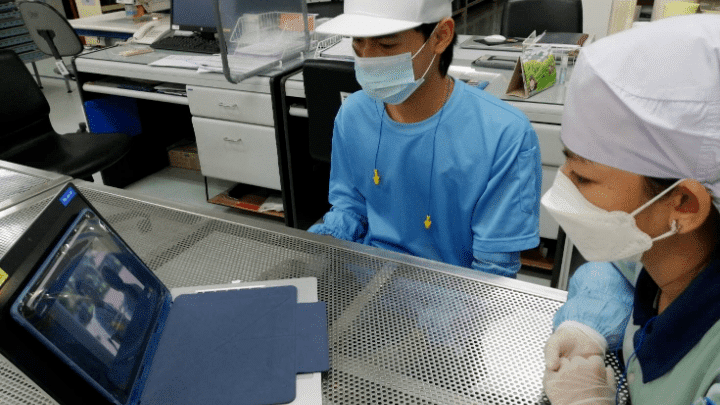
Forced labor, also referred to as modern slavery or involuntary work, is one of the most pervasive issues facing supply chains today. According to estimates from the International Labor Organization (ILO), there are 25 million people in forced labor. Forced labor can take many forms in the supply chain from debt bonded labor to underage/child […]
Looking ahead to 2022: climate justice, food systems and the private sector
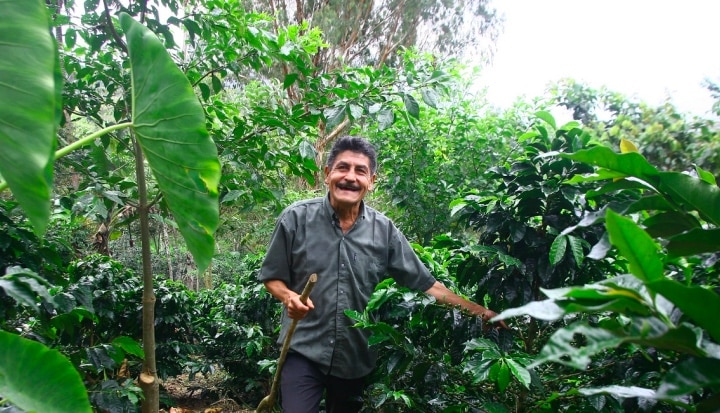
Accelerating climate justice Maria Claudia, our Business Development Officer in the Peru office took part in the Climate Justice series event at COP 26 as a panellist with others from Facebook, HBL Habib Bank and BioMec where they discussed and shared questions with young innovators at the forefront of creating our green inclusive future. Overall, […]