Only Business Can Solve Poverty

There’s nothing mysterious here. Poor people tell us they’re poor because they don’t have enough money—and who knows more about making money than businesspeople? Capital, Jobs, Scale Private business possesses three overarching and undeniable advantages in addressing the challenge of poverty: Profitable businesses attract substantial capital. Successful businesses hire lots of people. Successful businesses are […]
The Challenges of Going to Scale – A BIF Perspective
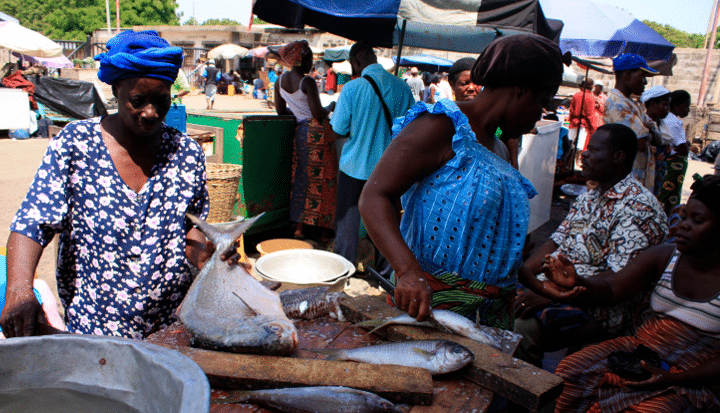
In our latest BIF insider “Scaling Inclusive Business – Why do some successful IB pilots fail to scale”, Jack Newnham identifies and examines seven broad reasons why some inclusive businesses do not go to scale. The publication draws on a range of examples (mostly not related to BIF), illustrating which hurdles could and could not […]
Social Intrapreneurism – A Dialogue

When a researcher in corporate responsibility meets a management consultant, it rarely begins with improvising a jazz piano duet at a conference. This is, however, what happened when Melody McLaren, an Associate of the Doughty Centre for Corporate Responsibility, first met Lionel Bodin, a Senior Manager at Accenture Development Partnerships, during the inaugural award ceremony […]
Investigating Inclusive Business Models in Africa
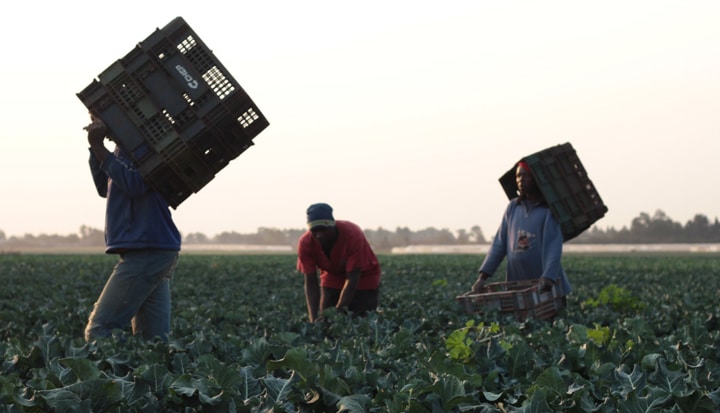
Woolworths through its Good Business Journey, has a comprehensive plan to make a difference in six priority areas: sustainable farming, protecting water supplies, reducing energy use, improving the management of waste, making a significant contribution to social development and supporting transformation initiatives As part of the company’s CSR investment, Woolworths was the first and main […]
A Chance to See Is a Chance At Life
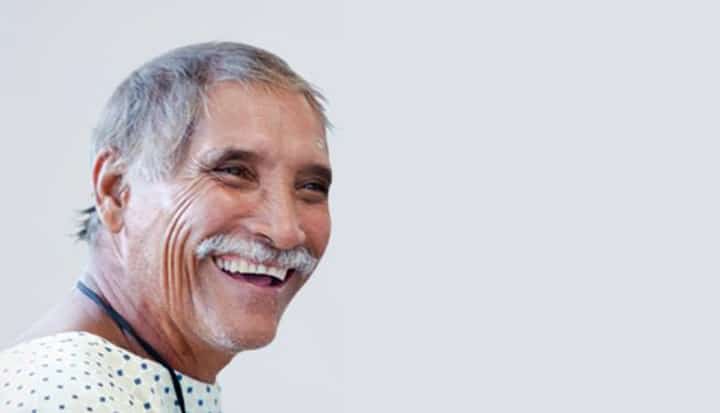
Public health care coverage in Mexico continues to be low, relative to international standards. While the Mexican government provides traditional health care to the formal sector, in 2004 it created “Seguro Popular” — insurance for low-income, informal/self-employed individuals. Internationally, in 2011 the Organisation for Economic Co-operation and Development average health expenditure per country was 9.3 […]
Why Conventional Methods to End Poverty Have Not Worked

Rather than approach the problem directly, most large-scale, rich-nation efforts to end global poverty have employed indirect methods to eradicate poverty. This is the second in a six-part series on the fight against global poverty adapted from The Business Solution to Poverty: Designing Products and Services f…, by Paul Polak and Mal Warwick. It’s difficult […]
Lessons for the Bangladesh Garment Sector

In the months since the Rana Plaza factory collapse in Bangladesh sparked a drive to address worker health and safety in the garment sector, I’ve been suffering a severe case of déj? vu. Here’s how it has played out: high-profile exposure of human rights abuses, coupled with intense lobbying by civil society, causes international brands […]
Innovation in Inclusive Business
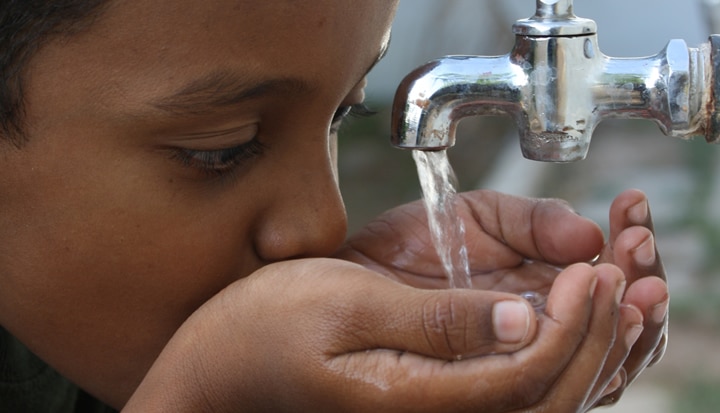
The World Resources Institute and the International Finance Corporation did a detailed study of the BOP around the world and estimated that the market is about $5trillion in purchasing power parity. Is this a large untapped market or a fuzzy mish mash of expectations that just cannot be profitably or sustainably exploited? Is the glass […]
Innovating for Inclusive Business- Introducing the "Innovation Insider"
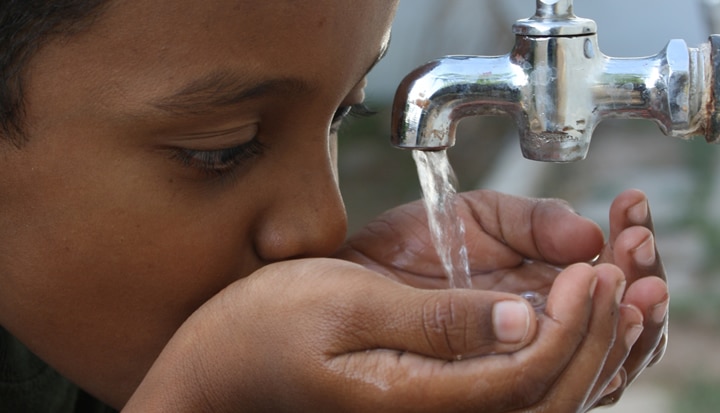
The World Resources Institute and the International Finance Corporation did a detailed study of the BOP around the world and estimated that the market is about $5trillion in purchasing power parity. Is this a large untapped market or a fuzzy mish mash of expectations that just cannot be profitably or sustainably exploited? Is the glass […]
Innovating for Inclusive Business- Introducing the “Innovation Insider”
The World Resources Institute and the International Finance Corporation did a detailed study of the BOP around the world and estimated that the market is about $5trillion in purchasing power parity. Is this a large untapped market or a fuzzy mish mash of expectations that just cannot be profitably or sustainably exploited? Is the glass […]
Backing College Loans To Low-Income Students In Mexico
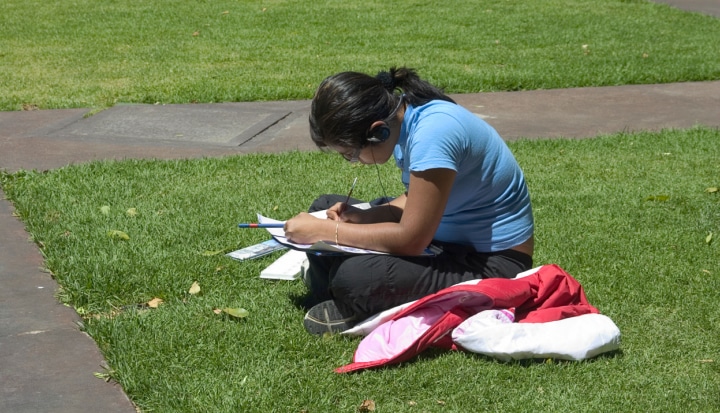
According to the United Nations Educational, Scientific and Cultural Organization (UNESCO), Mexico has a smaller proportion of college students than other countries on a similar path of growth and progress, and a significantly lower proportion compared to their main trading partners. Although higher education in Mexico grew to record levels this past decade, just over […]
The Business Call to Action Annual Event 2013

The Business Call to Action (BCtA) held this year’s Annual Event on September 19th in New York City, in conjunction with the United Nations Global Compact Leaders Summit, and in advance of the 68th Session of the United Nations General Assembly. The Event convened close to 150 people—including representatives from BCtA member and non-member companies, […]
New Approaches to Financial Services for the Poor
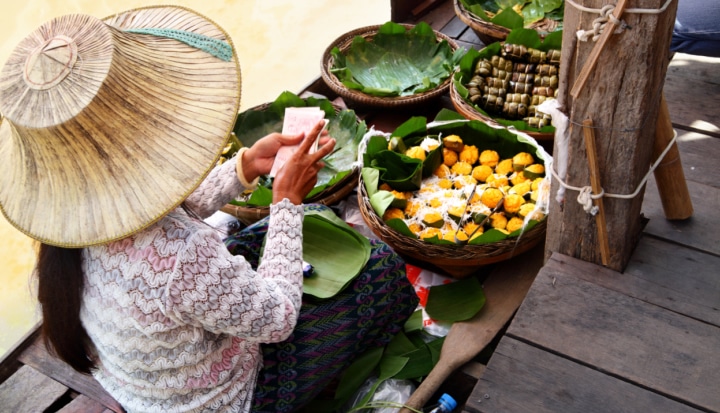
The vast majority of poor people live and work in the informal economy. In economic terms, they are producers and consumers at the same time – not by choice, but by necessity. As such, they have to lead very active financial lives to create livelihoods for themselves, build assets, smooth expenditures and manage risks. The […]
Doing Well By Doing Good In Colombia
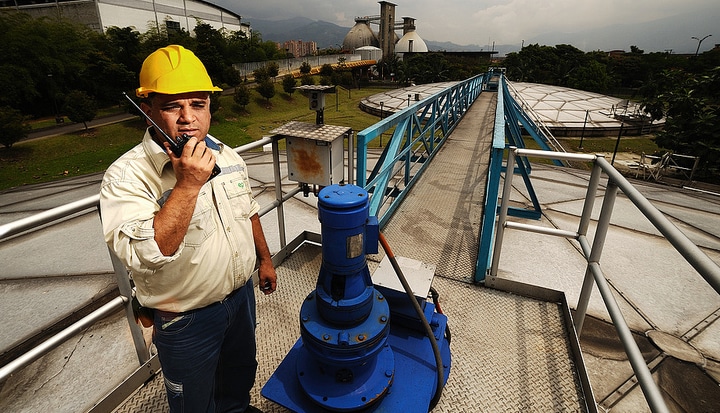
The EPM Group is a Colombian utility company that provides water, domestic gas and electricity in Colombia and other countries like Guatemala, El Salvador, Panama, Mexico and Chile. Many of our clients belong to the low-income segment of the population. Instead of discouraging us, this reality has become a challenge in which innovation and, above […]
Empowering Women through the Coca-Cola Value Chain
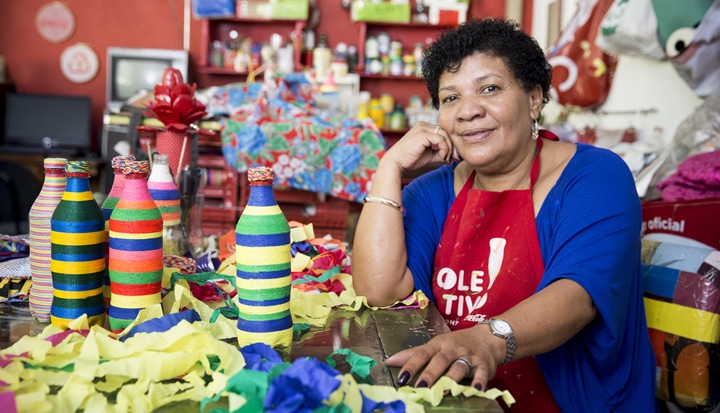
Photo: Regina Maria Silva Gomes, Recycling Cooperative Founder, Brazil The CSR Initiative at the Harvard Kennedy School and Business Fights Poverty Release New Study of The Coca-Cola Company’s 5by20 Initiative Women’s economic empowerment is a powerful development driver. For instance, Goldman Sachs estimates that closing the gender gap in 15 high potential emerging markets could […]
A Unique Opportunity to Reach the Rural BoP
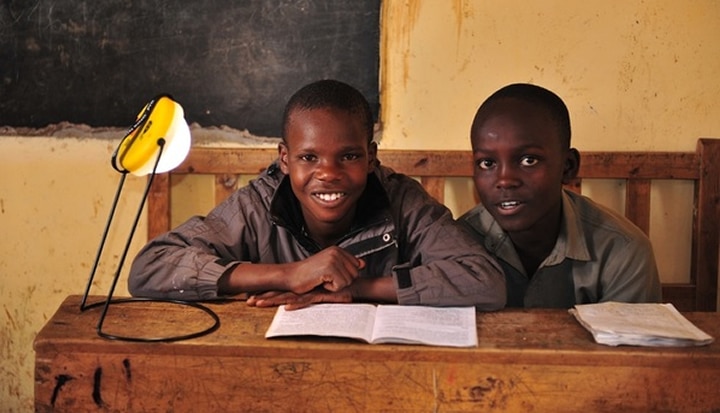
The significance of harvest time for farmers is not going to shock many but less obvious, perhaps, is its importance for those trying to reach the rural BOP. Through its social enterprise, SunnyMoney, SolarAid has now reached over 3 million people with pico (<10 watt) solar lights, selling over 670,000 in East Africa and eradicating […]
Designing Products and Services for Illiterate Users
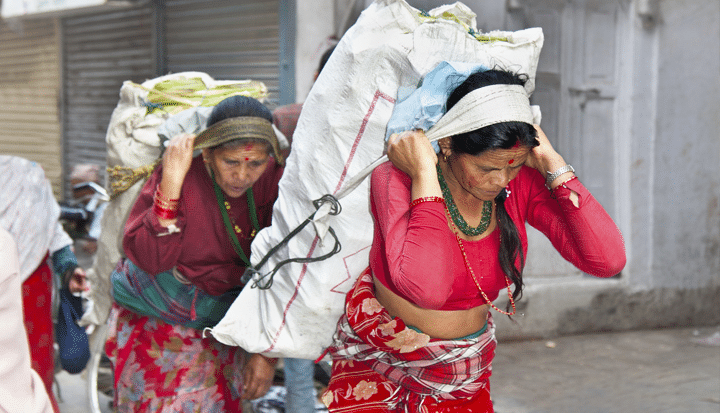
Designing services and communications for illiterate people is a common challenge for many businesses operating in rural areas in emerging countries. In Ethiopia, M-Birr is currently in the final phase of piloting the country’s first mobile money service, in collaboration with several micro-finance institutions. The service enables people to conduct basic financial transactions from their […]
Save the Children Looks to Scale Up its Business Partnerships
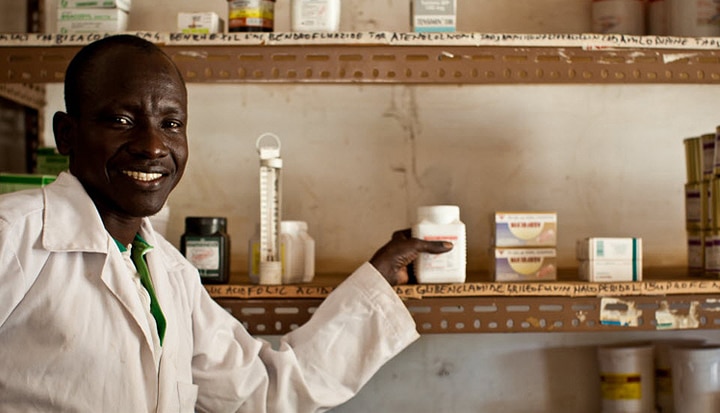
Save The Children has had a long standing relationship with a number of corporates since its inception. Historically that relationship was predominately a traditional CSR relationship where businesses gave us a grant to either to contribute to our core costs as an organisation, or to implement a project in a specific country around health, education, […]
The Power of Insurance and Haiti’s Future
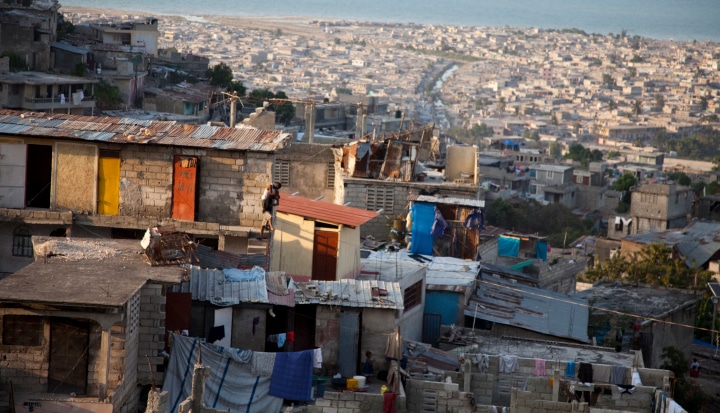
The Haitian people face repeated natural and man-made disasters every year – just last week a tropical depression hit the island bringing heavy rains. Haiti is not the only Caribbean country exposed to extreme weather events, but we are the most vulnerable and terribly ill-prepared. What would pass as a shower in the Bahamas leads […]
How Brazil’s Tenda Atacado Serves the Base of the Pyramid

Executive Director, VoxCred S/A The Tenda Atacado Group has 19 cash & carry stores in São Paulo, Brazil. By the end of 2013, we’re projecting revenues for U$900 million. Every month, we serve 1.3 million clients in our stores, 25 per cent of whom are entrepreneurs representing 50 per cent of our sales. We understood […]