Impact Sourcing and Inclusive Supply Chains

An Interview with Tim Hopper, Manager of Responsible Sourcing Initiatives, Microsoft Recently, BSR’s Global Impact Sourcing Coalition (GISC)—which seeks to create more inclusive supply chains through procurement—published “The Autism Empowerment Kit,” which offers recommendations and resources for employers to provide workplace accommodations that empower employees with autism. Microsoft, one of the sponsors of this kit, […]
Unlocking Private Sector Investment to Deliver the SDGs in Challenging Places

There is an estimated $2.5 trillion financing gap needed to deliver the UN’s Sustainable Development Goals (SDGs). Should the gap not be filled, it is possible that we will fail in the attempt to realise the global ambition to “end poverty and hunger, and achieve sustainable development”. The debate around the most effective models for […]
Healthcare for All: The Impact of Private Healthcare Providers
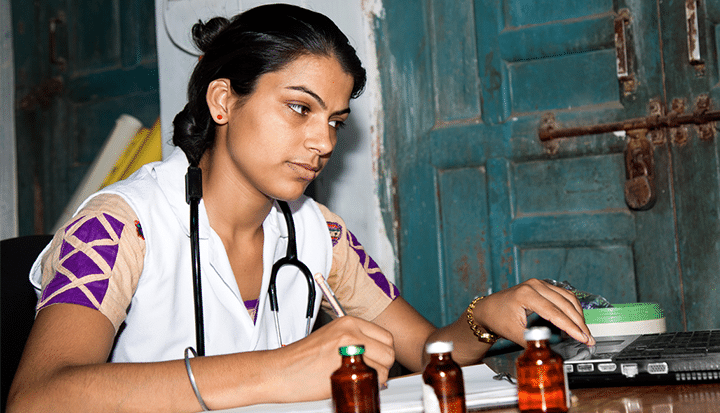
Private organisations are major providers of health care in poorer parts of the world. They come in all shapes and sizes – large hospitals, small clinics, formal and informal, some run for profit and some non-profit. Together, they deliver more than half of all healthcare in Africa. In Brazil, private beds account for 39 per […]
For Sustainable Solutions to the Refugee Crisis, Business will be Key
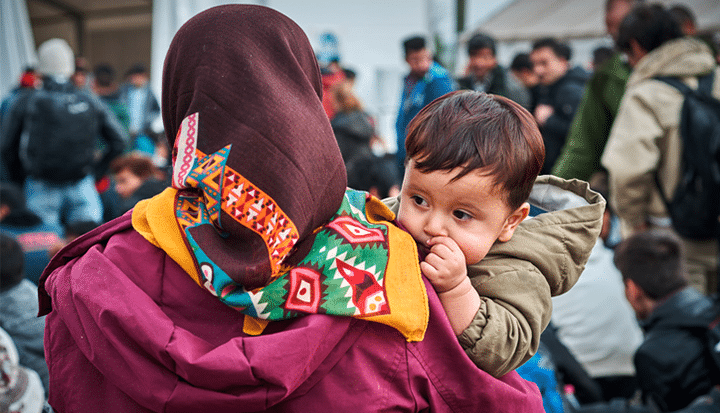
Anyone who follows the news is well aware that we are in the midst of a global refugee crisis of massive proportions. What may be less apparent from the coverage is that this crisis is long-term in nature. According to the UN Refugee Agency, by the end of 2015, there were 21.3 million refugees around […]
Why Should We Care About Menstrual Hygiene?
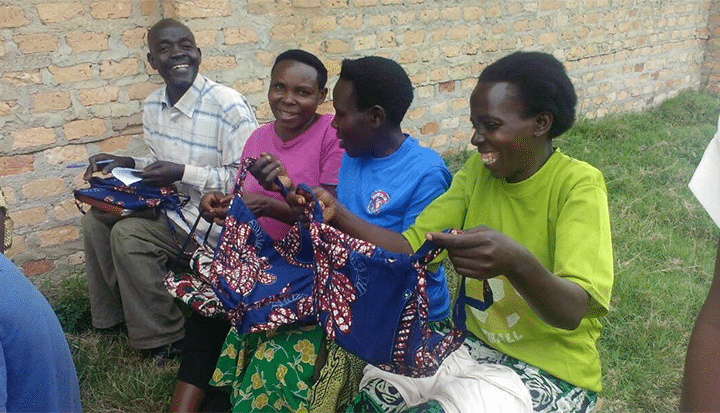
The theme of this year’s International Menstrual Hygiene Day (MHD) was education. The founders of MHD argue that education on menstrual hygiene changes everything. They call for improved information and menstrual hygiene education for boys, men, teachers, health workers and other professionals so that they can break down negative social norms and provide accurate information […]
Can Technology Make Africa Happy?

The phenomenal growth of mobile technology in Africa with apps such as M-Pesa and Eco-Cash has made banking possible even for my 91-year-old grandmother, who lives in a Zimbabwean village. This grassroots approach to innovation has opened up tailored and useful apps to mobile phone users across the African continent. My grandmother now even has […]
Skills and Prosperity in the Bangladesh Garment Industry
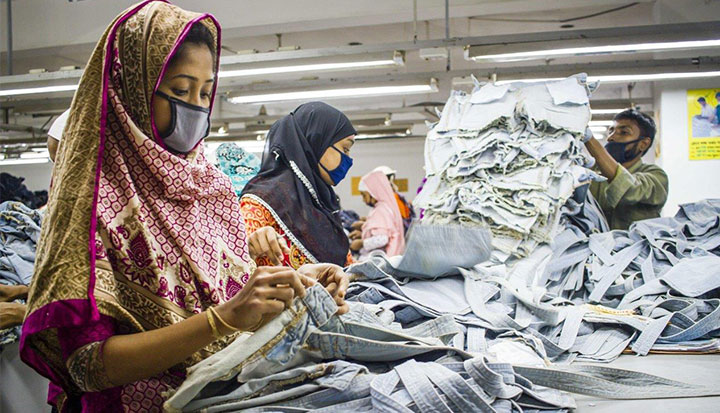
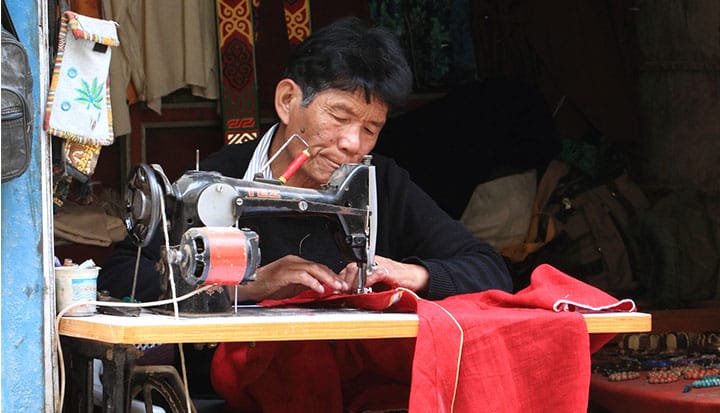
Garment factories in Bangladesh are now seeing positive returns from investing in in-house skills training. A new training approach has to date supported 4,000 people into sewing machine operator positions through a unique partnership between major British retailers, garment factories and the market development programme, Sudokkho. This is a win-win situation. In a sector operating […]
Emerging Trends in Digital Delivery of Agri-finance
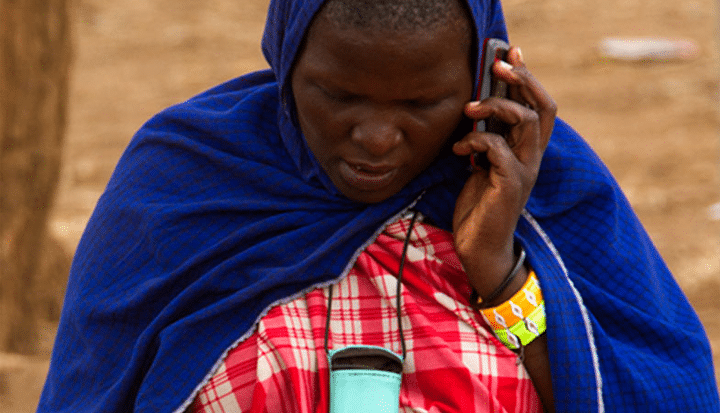
This is the first in a series of three blogs on the role of technology in the rural finance projects supported by The MasterCard Foundation Fund for Rural Prosperity (FRP). In this first blog, we explore the major trends in digital delivery that the Fund is seeing in its portfolio. In the second blog, we […]
Building Know-How for Corporate Social Innovation
There are growth opportunities outside its traditional markets. It needs to stay ahead of potentially disruptive technological changes. It has made high-profile commitments on complex sustainability issues. It wants to engage, retain, and develop future leaders by tapping into the power of purpose at work. For reasons like these, a growing number of companies are […]
The Power of Using Talent for Good
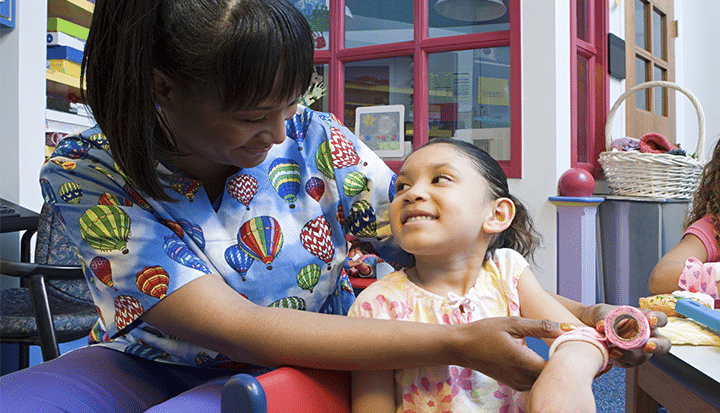
When considering the ways in which the private sector can advance global health and development and improve our world, a few obvious options come to mind. Funding is usually high on the list, as is research and development, but other interventions are in demand. Business acumen, supply chain knowledge and monitoring and evaluation expertise are […]
Respect for Human Rights: Creating a Holistic Framework for Business Contributions to the SDGs
This short framework for analysis and action offers a straightforward way for any company to work out how it should and can contribute to sustainable development. What’s the current problem with the way some organizations are talking about business contributions to sustainable development – and what’s a better path forward? 1. The problem: misunderstanding the […]
The UPS International Disaster Relief and Resilience Award – Meet the Shortlist

The frequency, intensity and complexity of disasters will increase over the coming decades. Globalisation means the impacts of those disasters on business and communities are increasingly evident, and businesses are being called upon to scale up their response to such events by internal and external stakeholders. Through their actions, businesses have demonstrated that business and […]
Q&A with MCC Resident Country Director for Niger: Bolstering Niger’s Agricultural Sector
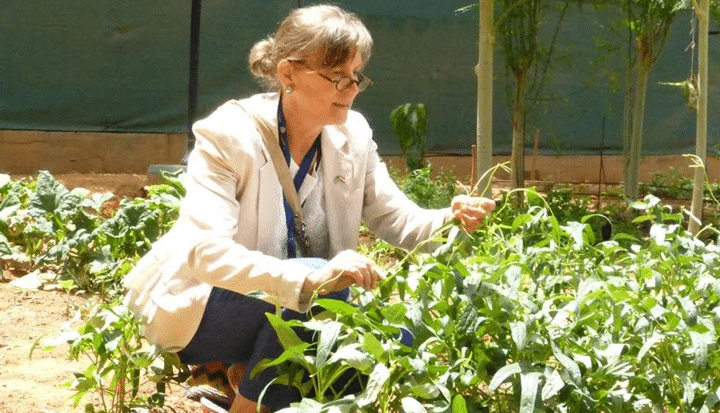
In July 2016, MCC signed a $437 million compact with the Government of Niger to improve access to water for agriculture and livestock and expand access to markets. In this interview, MCC Resident Country Director for Niger Kristin Penn discusses how, together with the Government of Niger, MCC is building stronger institutions and making foundational […]
Empowering Women through Corporate Value Chains: Getting the Data to Drive Scale
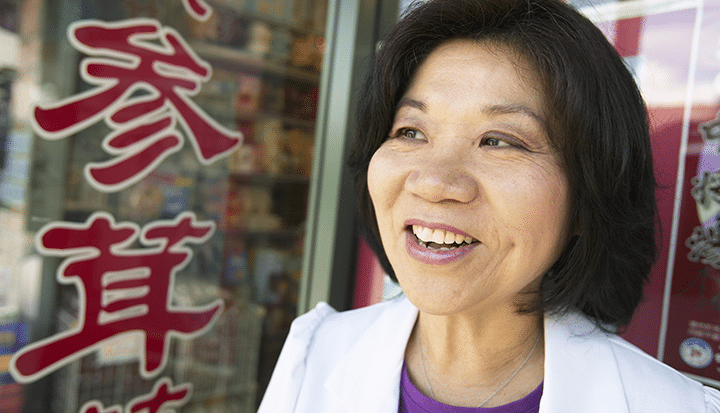
In certain circles, it is taken virtually as given these days that business culture and practices will need to change to achieve gender equality and empower women. Companies have become more open in acknowledging that unconscious bias and other, structural factors make it harder for women to succeed, and at the same time, they are […]
How Ethiopia’s Nascent Apparel Industry Can Build a Strong, Empowered Workforce
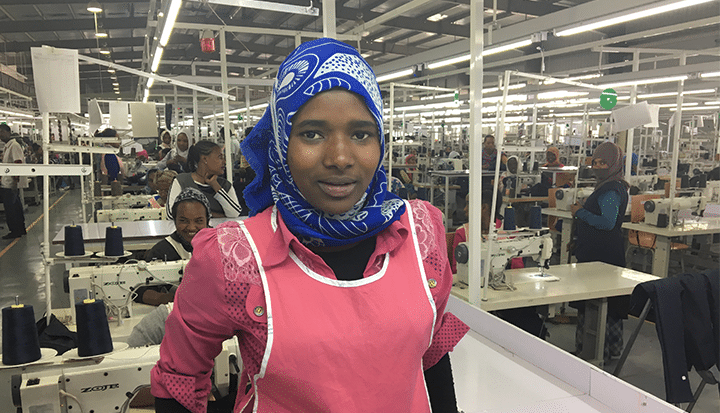
“In today’s global economy, brands must understand the industry needs in the new countries they source from. At The Children’s Place, our aim is to support the development of the new garment workforce in Ethiopia and do our part to bring sustainable business practices to the region.” —The Children’s Place Today, Ethiopia is a small […]
Why Greater Financial Inclusion for Africa’s Women is Smart Policymaking
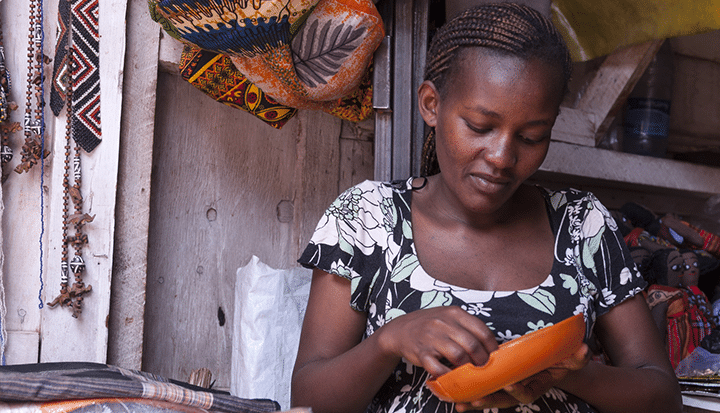
This blog is published as part of the 2017 WEE Global Learning Forum Blog Series. Join Winrock International, ACI and USAID at the 2017 WEE Forum for the Peer Learning Session, Different Perspectives, Shared Goal: Accelerating Women’s Financial Inclusion in Africa Imagine that you are unable to open a bank account or access a loan […]
Why Do So Few Companies Invest in Gender Equality?
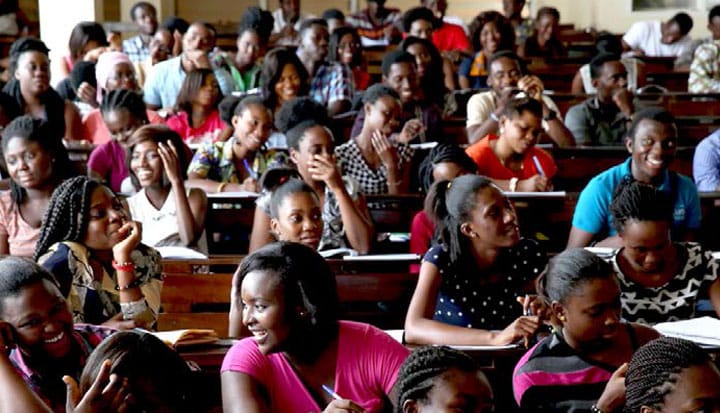
Businesses that invest in gender equality often see notable returns. Take Banco BHD León (BHDL) for example in the Dominical Republic. In the bank’s home market, women make up 70 percent of university graduates and more than half of all primary household providers but remain underserved in the financial sector. By targeting women’s specific needs […]
How Can Microfinance Contribute to Women’s Empowerment?
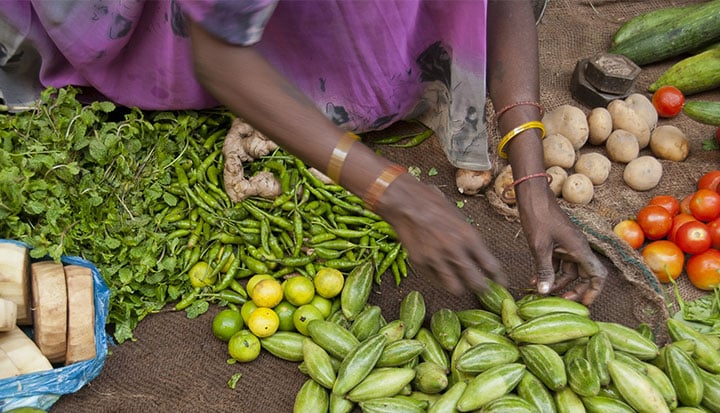
An Interview with Naila Kabeer, Professor of Gender and Development at the Gender Institute, London School of Economics and Political Science Gateway: From the very beginnings of microfinance, women’s empowerment has been discussed as one of its main social goals. In your experience, have you seen that microfinance initiatives can achieve this goal? Naila: One […]
Partnerships and the Power of Relationships
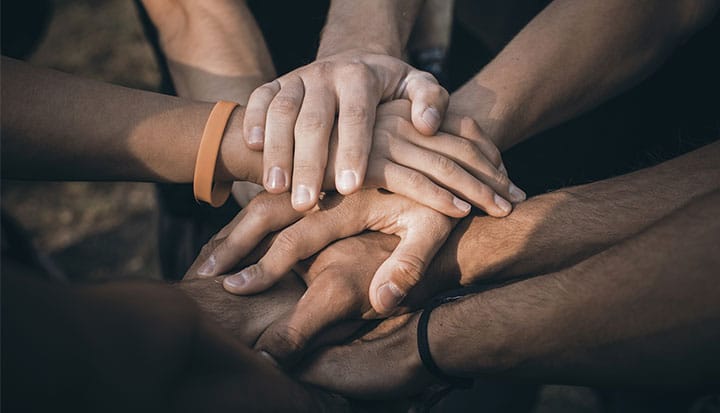
In the same way, a certain bond arises between the core people involved in any effective cross-sector partnership.This analysis of a South African water partnership refers to the central importance of the “chemistry” of partnerships. According to the partnership’s manager Nick Tandi, “We need to get better at understanding this chemistry, and how to make […]
Eliminating Modern Slavery and Human Trafficking in Supply Chains
By Norma Tregurtha, Policy & Outreach Director, ISEAL Two years have passed since the UK Government passed the Modern Slavery Act (2015), designed to prevent slavery, servitude, forced or compulsory labour and human trafficking. It is currently estimated that 13,000 men, women and children suffer modern slavery or forced labour in the UK. Globally, an […]