How Host Country Business Can Benefit by Engaging Migrants/Refugees as Consumers and Employees

Whether voluntary or forced, migration trends indicate an increase in flows which require urgent, innovative responses. The estimated numbers of international (across country borders) and internal (within country borders) migrants are 244 million and 740 million respectively, representing one seventh of the world’s population. Migrants move predominantly for voluntary reasons, but 65 million are forcibly […]
A Paradigm Shift
By Stephanie Manciagli, Specialist of International Replicas for the Poverty Stoplight at Fundación Paraguaya Since the onset of the new millennium, there have been tremendous evolutions in human welfare. During the last two decades, development theories and strategies taken by international actors have integrated lessons learned from previous decades, recycling the themes that worked and […]
Effective Partnering: In Praise of Internal Politicians

The term ‘intrapreneur’ has emerged to describe people who stimulate innovation within their companies. A similar role describes the people who are able to navigate the various parts of their own organisations to enable them to engage in a partnership. Taking a cue from this recent HBR article, we can suggest the term ‘internal politician’ […]
How Can We Create an Enabling Environment for Inclusive Business?
How can we create an enabling environment for inclusive business? When I started to work on this question on behalf of the DCED’s Business Environment Working Group, I expected a relatively straightforward scan of the literature – after all, quite a bit has now been written about what governments can do to help inclusive business […]
How to Achieve Financial inclusion through Data-free Mobile Banking
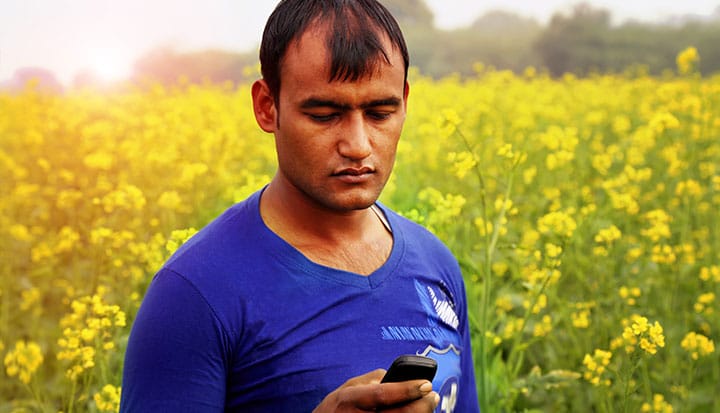
Two billion people, or 45% of the developing world’s adult population, do not have a bank account, other financial institution or mobile-money service.[1] Financial services are the lifeblood of an economy, giving households the ability to save, invest, and protect themselves against risk. The promise of digital technologies can give more people access to financial […]
Inviting Start-ups (and Up-starts) to Solve Global Problems

The saying goes that two heads are better than one. We believe it gets even better when you bring a lot of different talent together to collaborate and solve urgent global challenges. HelloScience, supported by Novozymes, is an online open innovation network for entrepreneurs, researchers, NGOs, associations and companies. It aims to foster collaboration across […]
Communities First: Top Human Rights Priorities for Extractives Companies
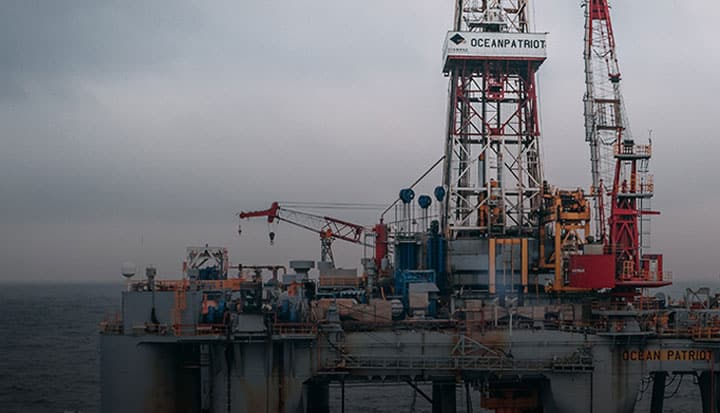
As former UN Commissioner for Human Rights Mary Robinson once said, “We must understand the role of human rights as empowering of individuals and communities. By protecting these rights, we can help prevent the many conflicts based on poverty, discrimination, and exclusion (social, economic, and political) that continue to plague humanity and destroy decades of […]
Why Tackling Violence Against Women is Your Business
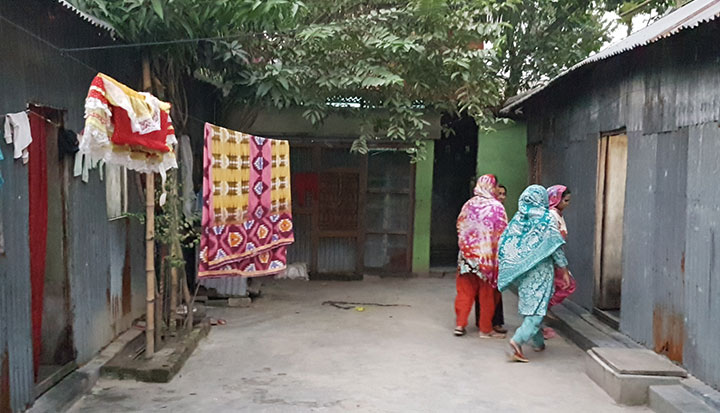
The recent surfacing of numerous sexual harassment allegations—including multiple allegations of sexual harassment in the workplace—have demonstrated how much work remains to be done to create genuinely inclusive workplace around the world. Business can no longer be in any doubt about its duty to stamp out violence and harassment at work. However, if there is […]
Designing for People, Not Problems, Will Help Us Tackle the Global Sanitation Crisis
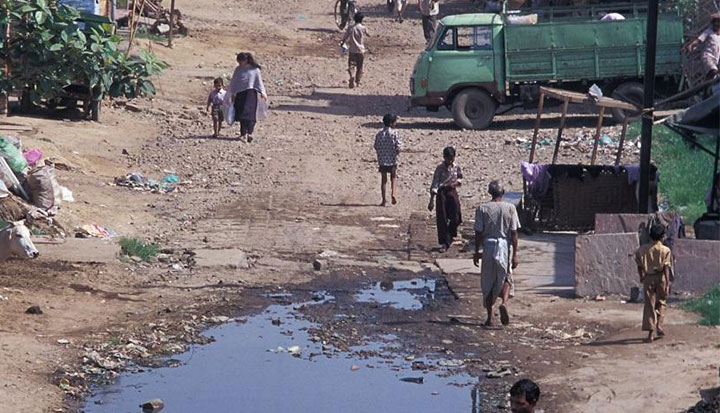
Toilets have transformed the way we live today. From health, to safety, to convenience – being able to access a toilet from the comfort of our own home no longer seems like a luxury. That’s why to many of us, World Toilet Day – which takes place this week on 19th November – may seem […]
Boldline Accelerator: Bringing Partnerships to Life and Scale
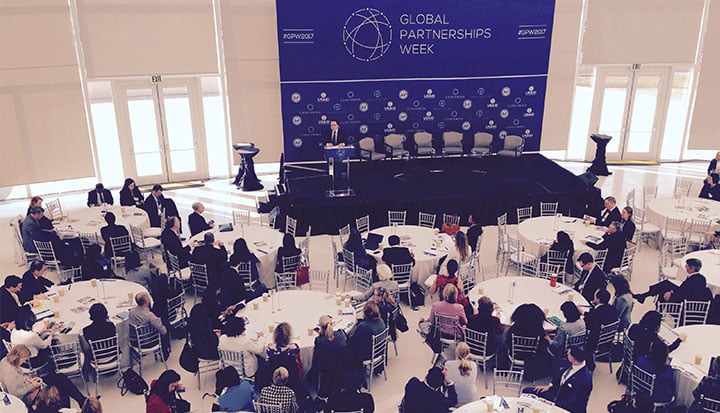
Did you ever have a good idea but felt it was too large to undertake yourself? Not sure how to bring it to life? Or have you had a successful pilot program that you knew had the potential to expand and even more meaningfully advance foreign policy imperatives? Welcome to the Boldline Accelerator for Public-Private […]
COP23: Deforestation and Gender Responsive Solutions for Agriculture and Food Security

Interview with Kennedy Ntoso, Head of Olam Cocoa Sustainability, Ghana This week, as policymakers, development agencies and researchers descend on Bonn for COP23 to discuss climate change solutions, a special focus will be given to gender, as seen by the ‘Gender-responsive solutions in the context of climate change for agriculture and food security’ session. To […]
Partnering for Healthier Cities
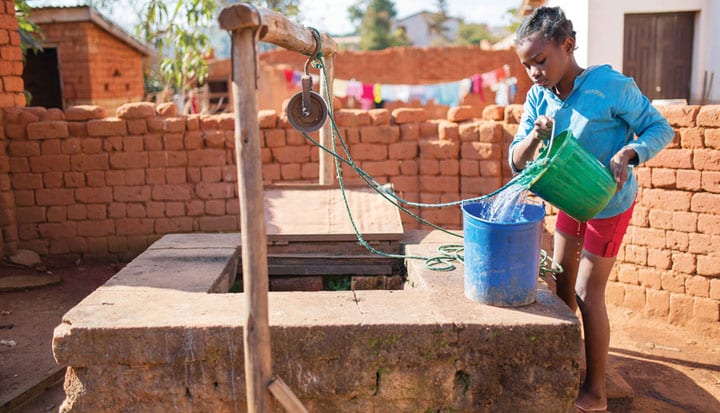
Urbanisation is a global trend – with distinct opportunities or complex challenges, depending on where in the world it is taking place. Every day across Africa, economic, climatic, and political factors force migration from traditional rural dwellings to makeshift urban neighbourhoods. These urban settlements often lack access to basic water and sanitation services, leading to […]
2 Billion People Can’t See Clearly. This Business Sees the Answer.
What if I told you we had a breakthrough solution that could access untapped potential in 2.5 billion people? That it could keep people safer and help children learn better? You might envision a fancy new technology, but this magic bullet is surprisingly simple: a pair of eyeglasses. Just this month, Williams-Sonoma Inc. and Target […]
How Financial Inclusion Can Move People Out of Poverty
By Nina Nieuwoudt, Global Product Development, New Consumers Around the world this week, governments, multilaterals, and companies are coming together to celebrate Financial Inclusion Week. It’s an opportunity to reflect on the progress that we’ve made in extending financial access to un-banked and underbanked communities, and also a time to take honest stock of how […]
How Business Can Act Now for Women’s Health and Empowerment: Q&A with Robyn Russell
By Robyn Russell, Deputy Director of the Universal Access Project (UAP), UN Foundation, and Dominic Kotas, Communications Associate, BSR This week sees the release of the new business guide, How Businesses Can Invest in Women and Realize Returns, co-authored by the UN Foundation, the Evidence Project led by the Population Council, and BSR’s HERproject. The […]
Reaching Children Earlier to Disrupt Gender Norms and Improve Health
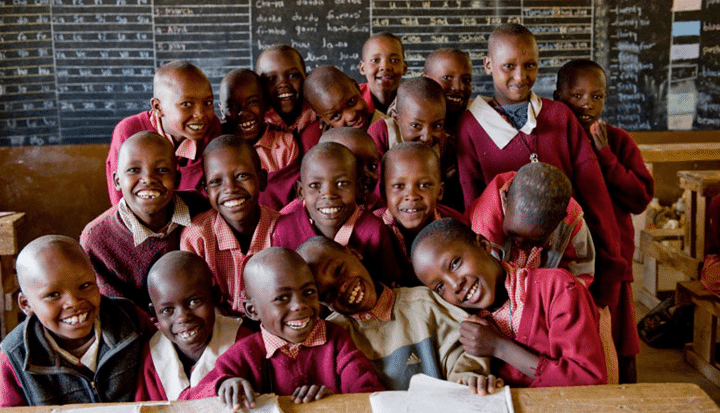
By Alyssa Govindan, Communications, GBCHealth GENDER NORMS & HEALTH IMPLICATIONS While gender norms are being challenged in the West, in many other parts of the world they are becoming further engrained. Even at a young age, gender norms can dictate the activities boys and girls are allowed to participate in. Behaviors as simple as playing […]
Creating a Partnership Ecosystem – 6 Rules to Live By

Despite its increasing occurrence in the global community, and its elevation through the Sustainable Development Goals, the act of partnering remains a challenge across all sectors. Doers need to share about what works — and what doesn’t – if we are to create a partnering model that enables sustainability and scale capable of achieving the […]
How Some Health NGOs Can Be Bolder in Their Engagement with Business

I was recently invited to present TPI’s partnering toolkit on NCDs – developed last year in collaboration with Bupa and UICC – at EPHA’s annual conference. The memorable phrase ‘evil puppeteers’ was used in one presentation, in reference to the nefarious and shady activities of corporate lobbyists. While significant progress has undoubtedly been made in […]
Ploughing the Path in a Male-dominated Turf
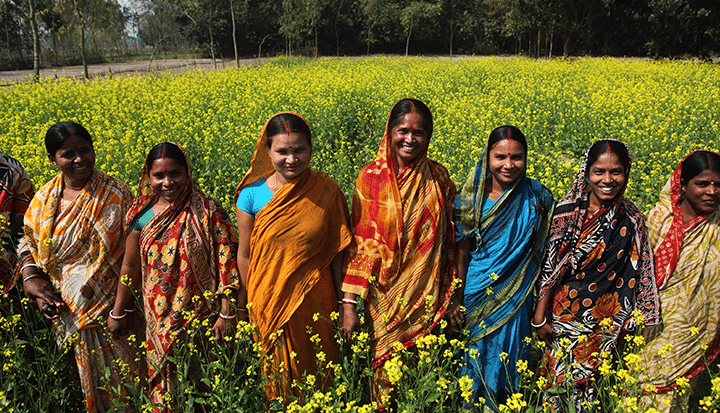
Husnaara ran to her house smiling from ear to ear as if she could not get any happier. At that point nothing seemed impossible; she could become a doctor, an engineer or a lawyer, go to a good university. She could not wait to give her father the news about her Secondary School Certificate results […]
Food Processing as the Missing Link in Africa’s Value Chains
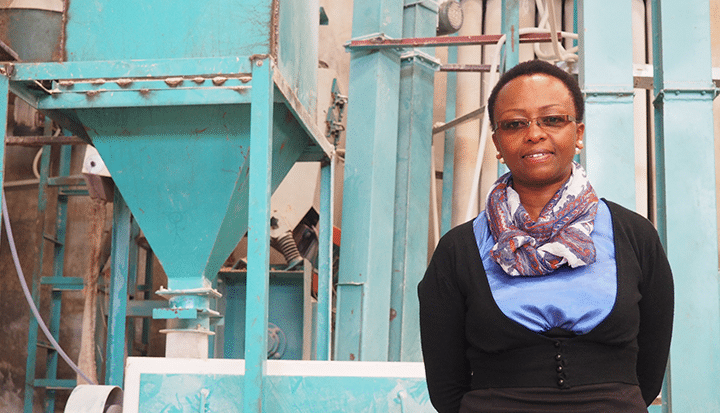
In 1998, Pauline Kamau started her maize-milling business with a few machines in her mother-in-law’s basement in Kenya. Soon, the business grew to fill a small factory. She hoped to supply her community with high-quality maize flour, which is the local staple food, but demand outstripped her production capacity: “It was a good problem when […]