
The Benefits of Asset Versus Cash Transfer Programmes
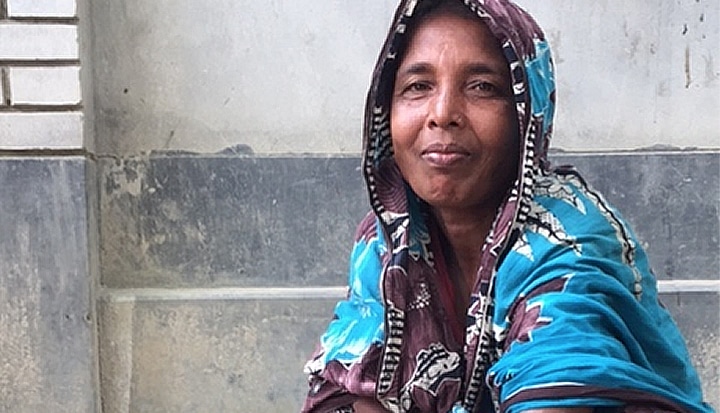
Is it better to give a cow or cash? Are such approaches hand-outs or a hand up for the extreme poor? In the development sector, we often pose simple either/or questions. Yet these simple questions are more complex than may meet the eye, and the answers vary greatly based on beneficiaries’ background, local contexts, the […]
Local Investments for Local Farmers
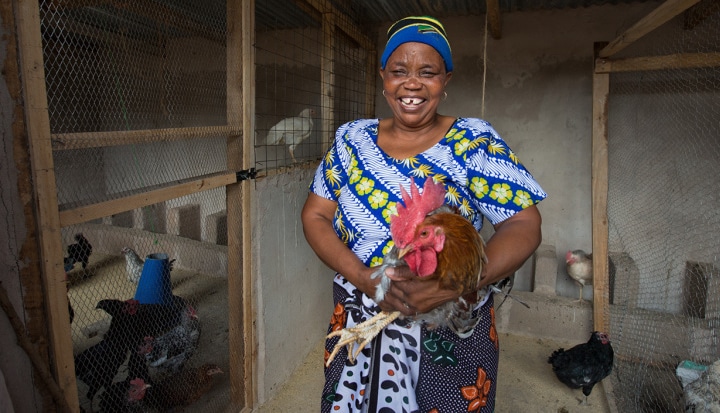
Tanzania is a country of farmers. Most farmers own less than one hectare of land to grow produce to feed their families, whatever surplus they generate is used to fund their children’s education, healthcare and family emergencies. Small holder farmers are already vulnerable to crop failure, drought and poverty and this will be confounded by […]
Delivering Care to Last Mile Communities
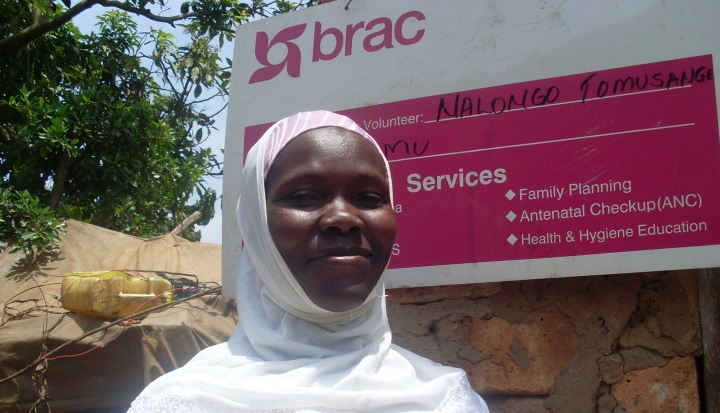
Traditional hospital-based services are not able to reach some of the world’s poorest and most remote villages. Over one billion people globally, including 400 million Africans, lack access to health services because they live too far from a health facility. Rural communities know that if a child becomes ill, the long walk for treatment could […]
Innovative Funding for Early Childhood Education
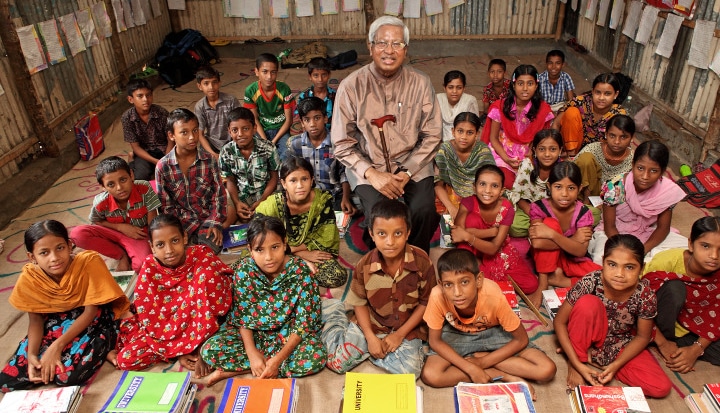
As fairly recent additions to the development acronym pool, Social Impact Bonds (SIBs) and Development Impact Bonds (DIBs) have been a source of increasing global interest and debate. These are funding mechanisms encouraging private sector capital flow to a new form of impact investing through tripartite agreements between three groups: investors who provide upfront capital, […]
Lessons on Inclusive Supply Chains and Achieving Scale
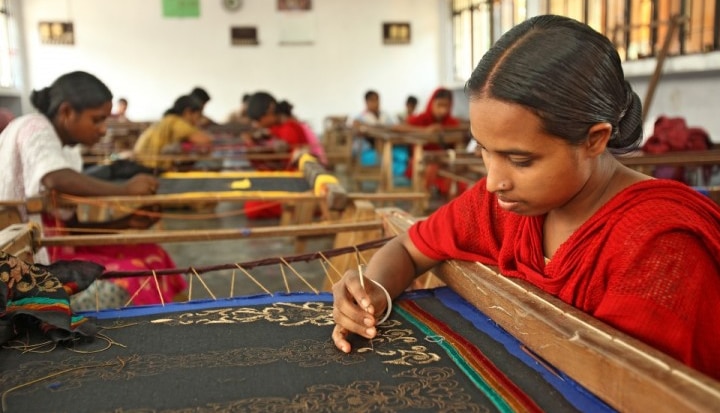
How does one measure the success of a business today? Is it commercial viability or the ecosystem it creates to promote sustainable development through stronger market linkages and supporting the most marginalised? Or can it be both? In a world when double and triple bottom lines are increasingly de rigueur, we now look at inclusive […]
Why Corporation Tax will Never be Boring Again

At a roundtable discussion on responsible tax earlier this week, a senior tax executive wished out loud for the return of the days when corporation tax was boring. His comment was light-hearted, but neatly captures the current climate. Corporate tax avoidance is scarcely out of the news. As governments struggle to fund basic services, people […]
Interview with Kamal Quadir, CEO of bKash, Bangladesh

Katie Allen interviews Kamal Quadir, CEO of bKash, mobile money provider in Bangladesh. Q1: Many of us have heard of the M-Pesa phenomenon that achieved great success in East Africa, but bKash remains under the radar. How is BKash different from other mobile money providers? Kamal Quadir: In terms of customer experience, bKash is no […]
Extending Financial Access to Young People
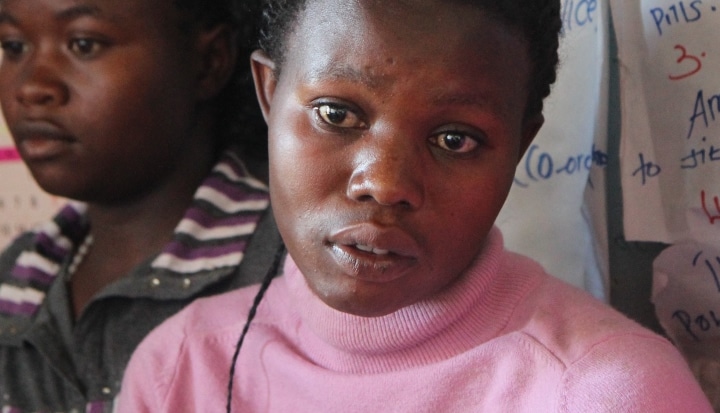
Violet is 21 years old, married and a mother of two. She is also the owner of a steelworks business where her husband is one of her employees. When she speaks of expanding her business, her voice is full of confidence and hope, undeterred when others make jokes about how she manages her husband. Violet […]
Financial Inclusion: Hybrid Models for a Complex World

Fashion, fish and financial inclusion. What connects all three? In Bangladesh these are all part of an evolved structure put in place by BRAC that combines community empowerment with sustainability and shared values. BRAC is synonymous with business and market-based solutions in Bangladesh, where the breadth and scope of our work is felt at a […]
Donors’ New Role in the Fight Against Poverty

A remarkable thing happened over the past two decades: the world grew richer, freer, and more secure than ever before. The end of the Cold War in 1991 was a seminal event not least because it ushered in these trends. Democratic governance has flourished in many countries where a mere 20 years earlier repression and […]
Defeating Malaria and Reinforcing Health Systems
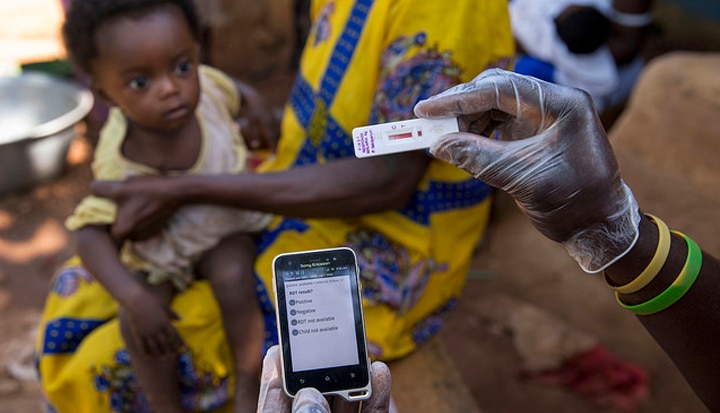
In the fight against malaria, we are finally seeing real progress – the result of many years of hard work. This year however is a critical juncture, bringing opportunities to consolidate and accelerate progress already made against the disease. Over the coming months, the World Health Organization and the Roll Back Malaria partnership will publish […]
Championing Responsible Sugar Production & Procurement
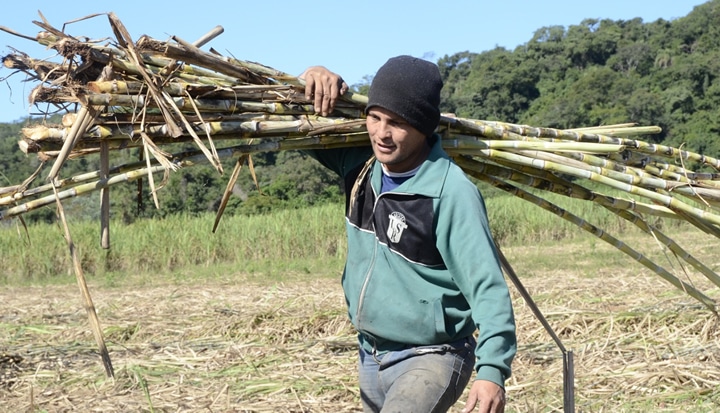
Our world is faced with dire global water challenges. A major contributing factor to these challenges is agriculture, which accounts for 70 percent of the world’s water withdrawals. Sugar, a critical ingredient in many food and beverage products, including ours, is a highly thirsty crop and one of the most complex. While the sugarcane sector […]
Championing Responsible Sugar Production & Procurement
Our world is faced with dire global water challenges. A major contributing factor to these challenges is agriculture, which accounts for 70 percent of the world’s water withdrawals. Sugar, a critical ingredient in many food and beverage products, including ours, is a highly thirsty crop and one of the most complex. While the sugarcane sector […]
Engage Your Supply Chain to Find the Mutual Benefits
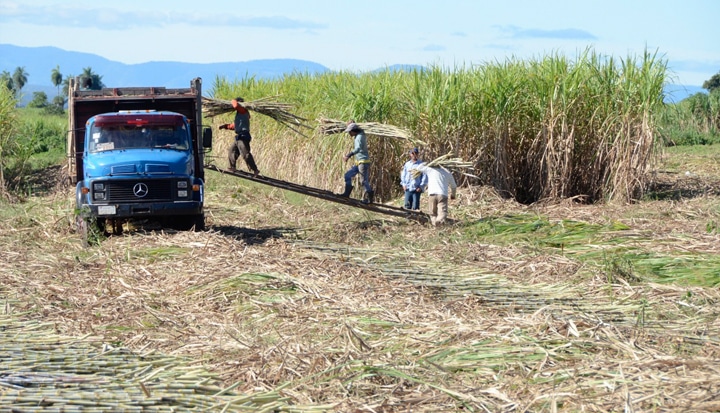
Given that sugar is such a ubiquitous food ingredient and accounts for significant land use, it is heartening to see leading companies and development organizations prioritizing the sustainability of this ingredient. Global demand is projected to require an estimated 49% increase in land under cane production alone by 2050. The sector is facing serious and […]
The Sharing Economy: Exploring New Business Models for Sustainability
This latest Doughty Centre for Corporate Responsibility Hot Topic started life as an MBA student assignment for a sustainability assignment. The day I was reading the assignments, by coincidental symmetry, the front page headline in the London Evening Standard read “Spare rooms to let revolution.” The accompanying story was about deregulation specifically to encourage the […]
An IFC Perspective on Sustainable Sugar Production
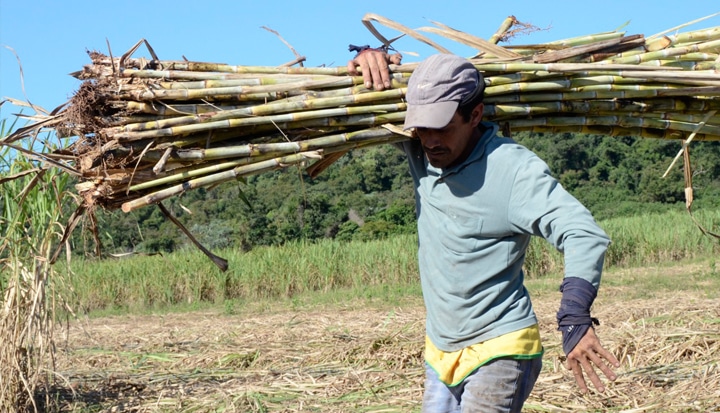
As mentioned in Business Fights Poverty and the CSR Initiative at the Harvard Kennedy School’s recent report on building blocks for sustainable sugar production at scale, IFC has been engaged in sustainable sugar activities since the early 2000s, when we collaborated with WWF to develop better management practices for tropical commodities such as sugar. In […]
Building Blocks for Sustainable Sugar Production
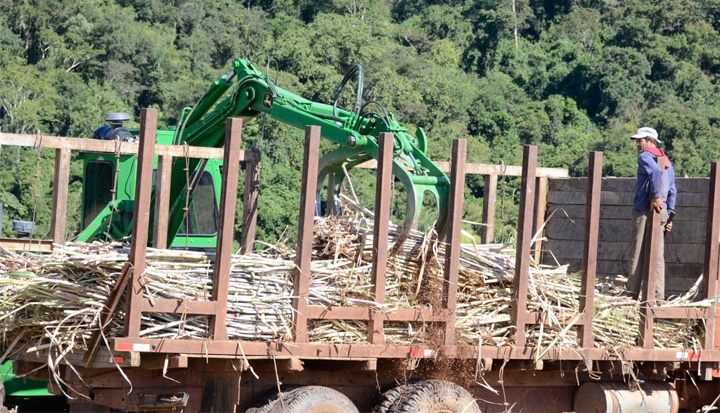
Business Fights Poverty is full of examples of companies taking action to grow their businesses in ways that expand economic opportunity, enhance access to “social” services like healthcare, energy, education, water and sanitation, and nutrition, and conserve shared natural resources. The key question is how to move these examples from the cutting edge to the […]
Embracing Emerging Market Entrepreneurship
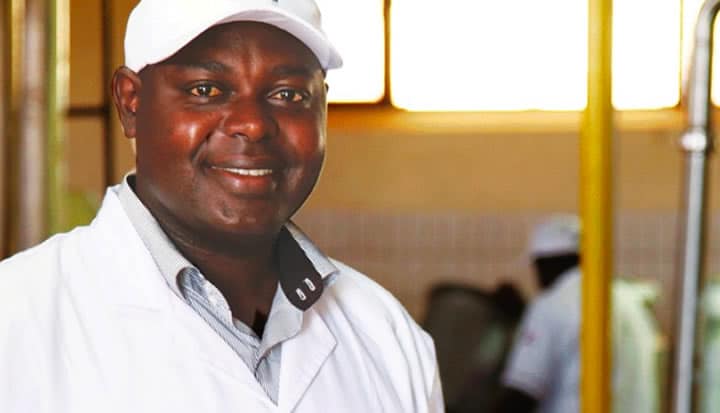
Twice a year, the Aspen Network of Development Entrepreneurs (ANDE)convenes our Executive Committee—a group of fifteen international development leaders that guide ANDE’s strategy and provide operational oversight. At the most recent meeting, we opened with a “pop quiz” — What are the three biggest challenges facing small and growing businesses in emerging markets over the […]
Promoting Sustainable Agriculture Intensification
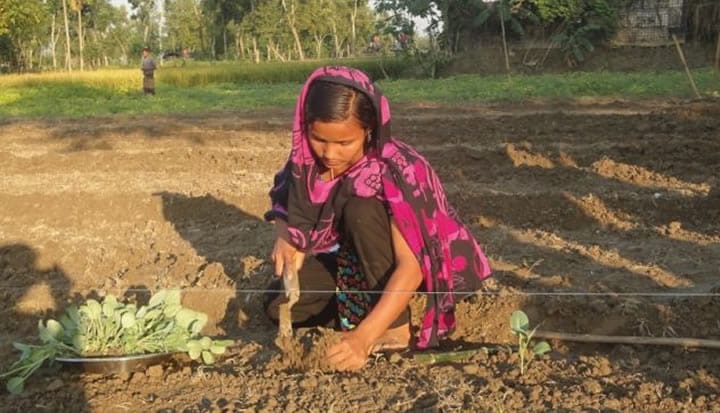
Wal-Mart Stores, Inc. Global food supply needs to increase 70 percent by 2050 to keep up with population growth and diet changes. How do we generate enough food without cutting down every last tree, and using every last drop of water? And how can we do it while preserving farmer livelihoods and keeping food affordable? […]
Own-label Tea Changing Lives in Malawi
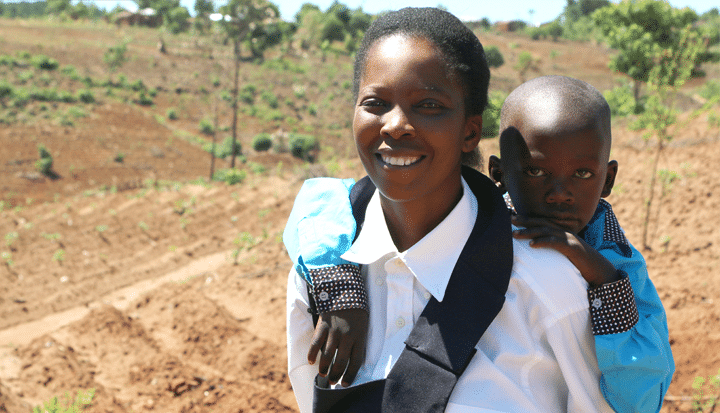
In the UK we drink about 165m cups of tea every single day, yet the millions of farmers and workers who rely on the tea industry for their livelihood face numerous challenges. Their work can be physically demanding, prices are unsustainably low, and the sector is notorious for poor wages and working conditions. The issues […]