
Building Peace is Everybody’s Business

War is bad for business. The private sector, including both local and international companies, is often among the first to be hit by armed conflict. Investment and trading opportunities disappear, infrastructure is damaged and, most tragically of all, employees are killed. All of this should provide motivation for businesses to contribute to peacebuilding. Some are […]
Why Business May Contribute to Peace

What is increasingly clear from our work at the SDG Fund (a UN development mechanism, multi-donor agency that brings together UN Agencies, governments, civil society and business to achieve the Sustainable Development Goals) the complexity of the SDGs converge a guiding set of principles of interest to all actors. Paloma Duran, Director of the SDG […]
Business, peace, and world politics: The role of third parties in conflict resolution

With the growing role of the private sector in global politics comes increasing challenges and opportunities, an example of which is conducting business in pre- and post-conflict environments. While the extant business literature discusses the work these actors can do to reduce tensions in conflict zones, the role of these actors is notably absent in […]
Why business leaders focus on issues of peace

While we know that business is key for stable peacebuilding, less is known about why business actually becomes involved in peace processes and peacebuilding. Based on a review of the academic literature and of case studies at the global level, in this article I address this question from three perspectives: First, business needs peace to […]
Tim Fort: Welcome to the Business and Peace Challenge!

In this video, Tim Fort, Eveleigh Professor of Business Ethics, Kelley School of Business, Indiana University, introduces the Business and Peace Challenge hosted by the Kelley School of Business and Business Fights Poverty. Over the course of October, the Challenge will include an online programme of written articles and online discussions. Content will be drawn […]
GBCHealth Talks Antimicrobial Resistance with GE Foundation

Interview with Dr. David M. Barash, Executive Director, Global Health Portfolio & Chief Medical Officer, GE Foundation With the release in May of the final report and recommendations of the Review on Antimicrobial Resistance, GBCHealth has convened a group of global leaders to discuss the potential impact of AMR and their priorities for immediate action. […]
The Impact of AMR and Priorities for Immediate Action

Interview with Dr. Nafsiah Mboi, Special Envoy for the Asia-Pacific Leaders Malaria Alliance With the release in May of the final report and recommendations of the Review on Antimicrobial Resistance, GBCHealth has convened a group of global leaders to discuss the potential impact of AMR and their priorities for immediate action. The series, which will […]
A Global Discussion on Antimicrobial Resistance

With the release in May of the final report and recommendations of the Review on Antimicrobial Resistance, GBCHealth has convened a group of global leaders to discuss the potential impact of AMR and their priorities for immediate action. The interview series, which will be published over the next three weeks, is intended to supplement the […]
Discovering New-found Respect for Philanthropy

Ernst & Young Global Limited I’ve always had a bit of a downer on corporate philanthropy, having tended to equate it with first generation sustainability strategy and practice – a model based on ‘giving something back’ that often pays little or no heed to what the corporation takes in the first place. In so doing, […]
Business and Peace: Roles in Peace-Making, Peace-Building and Peace-Keeping
Welcome Opening Remarks Panel 1 Morning Keynote Panel 2 Luncheon Keynote Moderator Thank You Remarks Closing Discussion Wrap Up This event was livestreamed as part of a new Challenge on Business and Peace with Indiana University Kelley School of Business. To find out more and to join the Challenge, click here.
How to Effectively Engage Business on Human Rights

Since the publication of the UN Guiding Principles and new regulation such as theModern Slavery Act, engaging business leaders on human rights has become extremely important. As the lead on human rights at SABMiller, one of my challenges has been to demystify the topic and help people focus on what it means in practice– all […]
Collaboration in Support of Micro-Enterprises in Value Chains
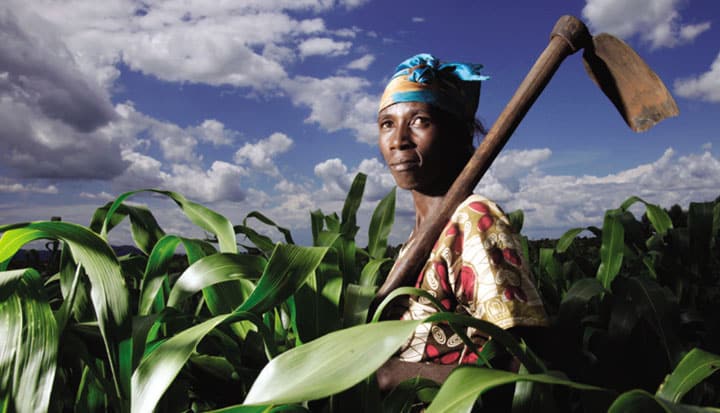
The “Growing Together” report – guidance to businesses to support them in helping micro-enterprises in their value chains to thrive, and why that is important for women’s economic empowerment. Our new report – “Growing Together”, developed with SABMiller, the Harvard Kennedy Corporate Responsibility Initiative and Business Fights Poverty, sets out why businesses should take a […]
Climate-Smart Agriculture Empowering Rural Smallholders
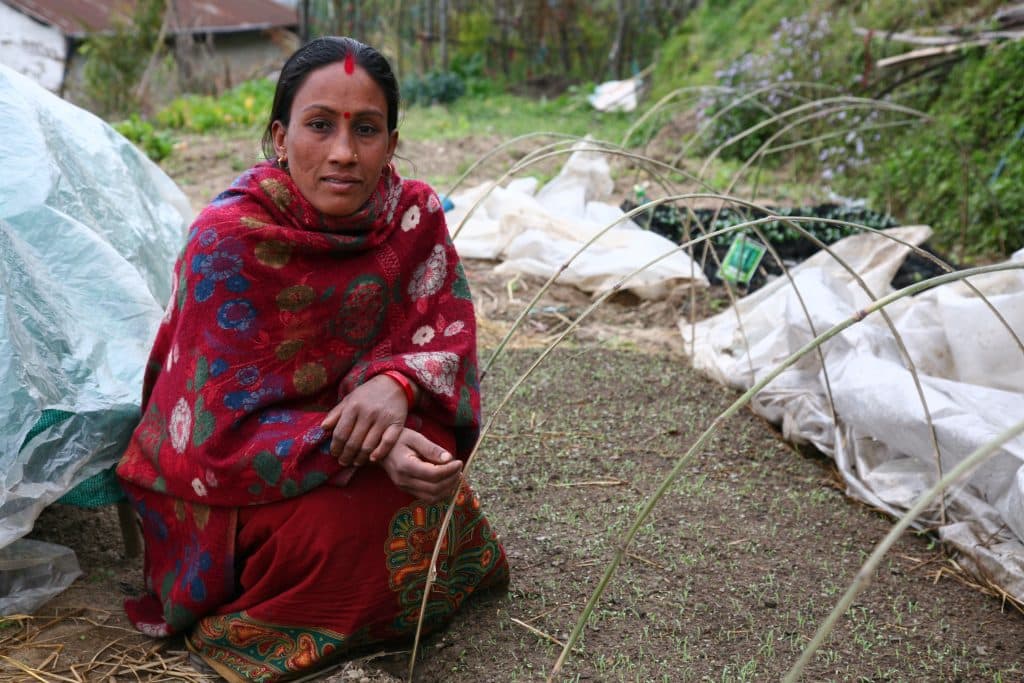
Since it was presented by FAO at the Hague Conference on Agriculture, Food Security and Climate Change in 2010 as an approach to achieve sustainable agricultural development for food security under climate change ‘climate-smart agriculture’ (CSA) has gathered both praise and criticism. While it has been defined as consisting of three pillars (increased food production, […]
Creating Business Value through Improved WASH
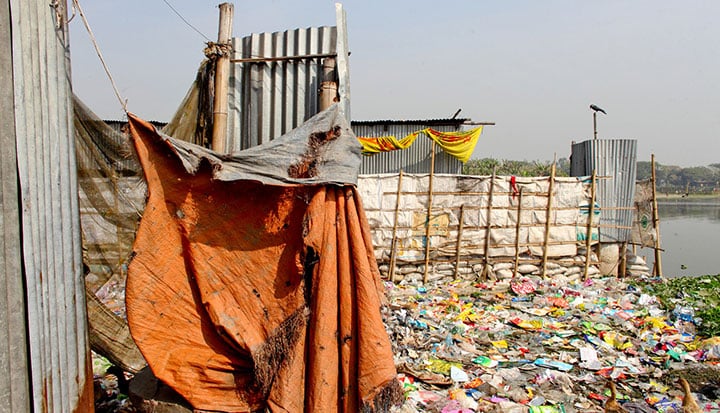
Businesses need to do more to understand the impact of poor water, sanitation and hygiene (WASH) in their own supply chains, as well as the impact that their water and sanitation usage has on the cities and towns in which they operate and on the sometimes water-scarce regions in which they are located. These were […]
African Diaspora: Mobilizing Resources and Skills in Uganda
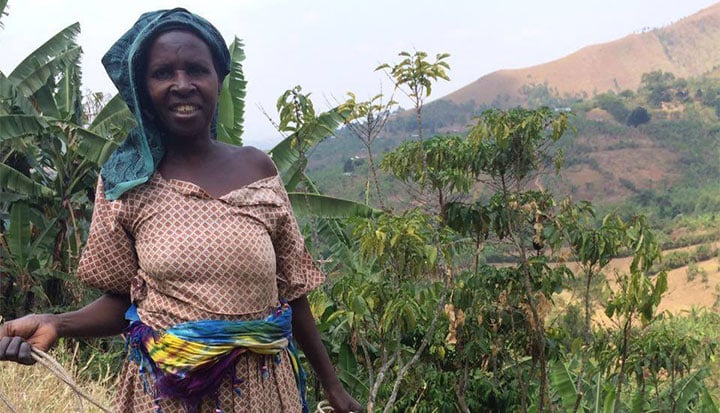
African diaspora love their heritage countries and most send support in various forms to their families that remained behind. Most send money and it has been noted that remittances to Africa have surpassed Western aid. Beyond sending money, Africans in the diaspora have setup various networks to address issues impacting entire communities back home by […]
Investing in Human Capital
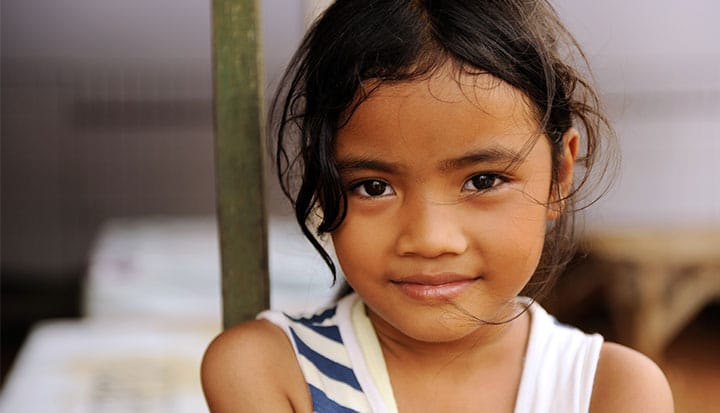
“Gringa Abroad”: 1st Installment from Valle del Cauca, COLOMBIA “¡Linda! “ I heard my name one hot day in Valle del Cauca, Colombia. “¿Me Recuerdas?” (Do you remember me?) – I turned to face a familiar girl in the street. After a pause her name crossed my lips… “¿Ángela, eres tú?” (Is that you, Angela?) […]
One Million Women Missing From the US Tech Sector

Despite an estimated investment by the US technology industry of $0.8bn – $1.2bn in diversity efforts over the past five years, women’s representation at tech firms has actually decreased. In the last 15 years representation of women has fallen a percentage point, to represent just 28 percent of the tech workforce today. Given women are […]
Enhancing the Livelihoods of Women in Unilever’s Agricultural Supply Chain
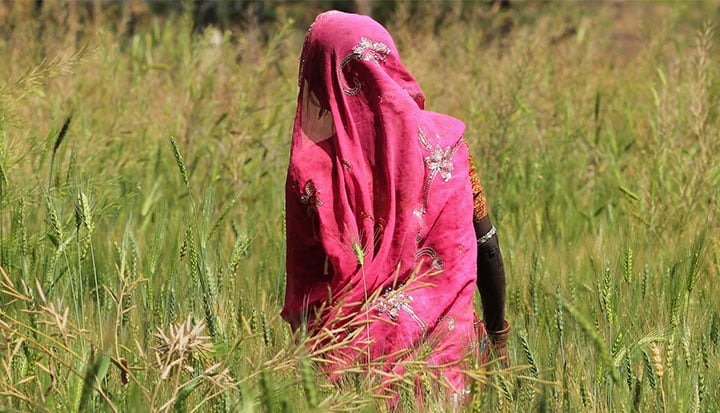
Unilever Case Study on Women’s Economic Empowerment Overview Empowering women is critical to eradicating poverty and accelerating global development. In Unilever’s case, this is hugely important for us. Over 70% of the people making the decision to buy our brands are women. Our future growth depends on meeting their needs and aspirations and on supporting […]
Mars Women Empowerment Plan
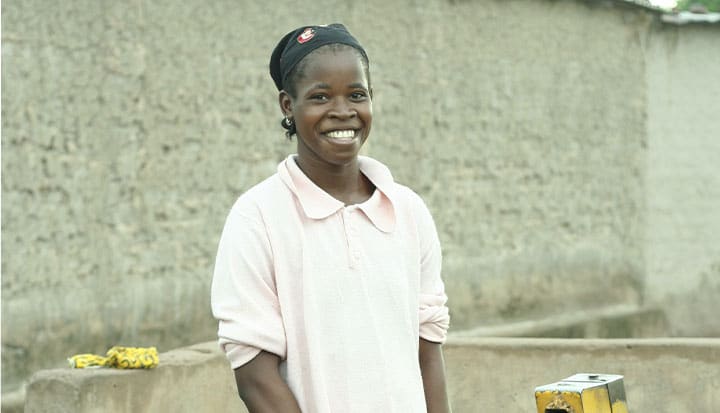
Background Women provide approximately 45% of the labor in cocoa supply chains, yet they face discrimination in access to resources compared to their male counterparts. They often work unpaid on family farms and are not always viewed as “farmers”. Low education, poor access to health services and limited training greatly disadvantage women (and their families) […]
Access to Finance and Women’s Economic Empowerment
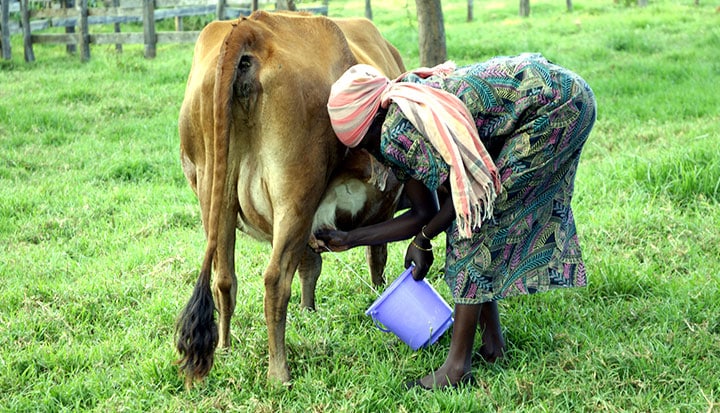
Cherie Blair Foundation Case Study on Women’s Economic Empowerment In 2014 the Cherie Blair Foundation for Women partnered with Accenture and CARE International to promote the long-term financial independence of Rwandan women, by providing a combination of mentoring, training and improved access to financial services. Financial inclusion is a deeply gendered issue in Rwanda, where […]