Educating Girls – From Marginalized to Empowered
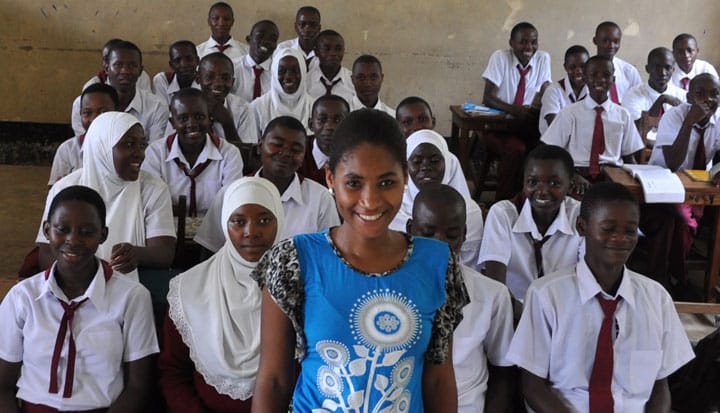
Pearson Case Study on Youth Employability Pearson and international NGO Camfed have announced an expansion of their existing partnership aimed at educating and empowering girls from low-income communities in Zimbabwe and Tanzania. Their work is being extended in Tanzania to support 6,400 more children in 80 schools. It is being led by young educated women, […]
Fairtrade Fortnight: Don’t Feed Exploitation
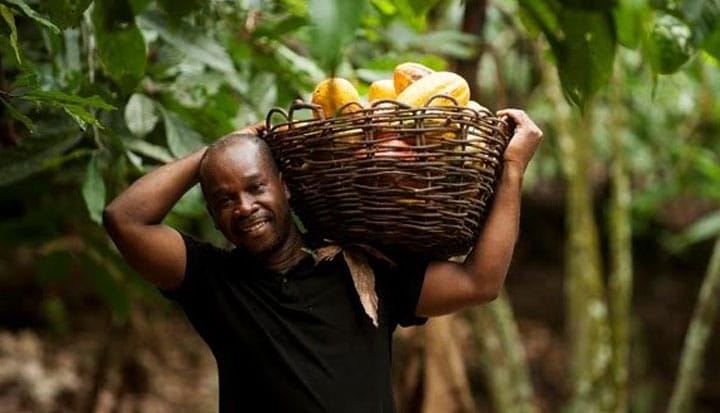
‘Let’s not accept exploitation in industry’, says Fairtrade CEO Despite an increase in global demand for cocoa and the worldwide push to tackle poverty when the Global Goals launched last year, today many farmers who grow the crop live with poverty and exploitation – in Cote D’Ivoire 80% of the population still survive on less […]
Seven Lessons on Business-to-business Partnerships for Social Value from the Barclays GSK Partnership
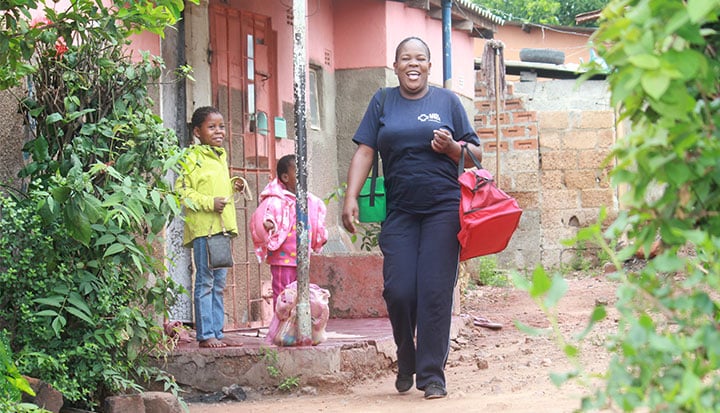
In 2013, Barclays and GSK came together because we both believe that long-term success is inextricably linked to the wellbeing of the communities in which we operate. We developed a partnership bringing together the skills and expertise of a bank and healthcare company to test new models that would increase access to healthcare and improve […]
Exploring the Accelerator Landscape

Hundreds of accelerators—intensive, short term programs that speed up the development of early stage ventures to succeed, or fail—have emerged around the world. While the concept began in Silicon Valley, international development funders have seen the model as a way to drive growth in emerging markets as well. And beyond just tech companies, accelerators focus […]
Invisible Lives: Understanding Youth Livelihoods in Ghana and Uganda
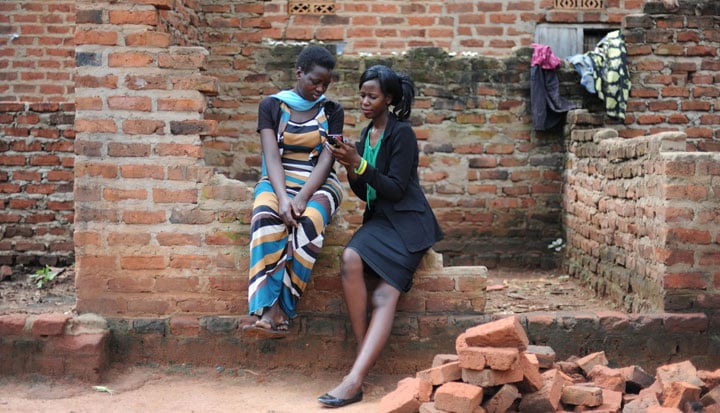
Beatrice had a busy day. It’s tomato season, which means she had to wake up extra early to go to the garden to harvest some ripe tomatoes. On her way, she made sure to feed the poultry and check on the goats. It’s also market day in her village, so after feeding her children and […]
Syngenta’s Grow More Model to Increase Productivity in Sub-Saharan Africa
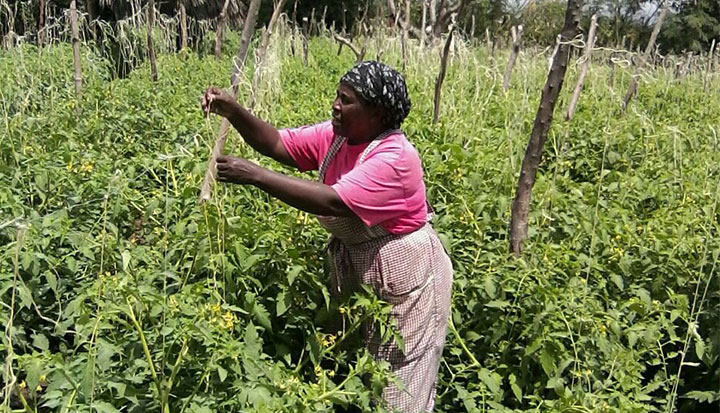
nd Samantha Krause, Strategic Initiatives Director, TechnoServe Smallholder farmers across Africa present the largest opportunity and challenge to Syngenta’s business. Limited knowledge of agronomy, cash constraints and very low confidence in produce markets trap farmers in low yield and low income cycles. Translated into numbers, it means that smallholders in Sub-Saharan Africa produce around 25% […]
Bridging the Gap between Young People’s Career Aspirations & Ability to Succeed

Young people today make up the largest youth population in history. Their successes and struggles are as diverse as their personalities and aspirations. However, in all corners of the globe, this generation faces a common challenge: persistent, high rates of youth unemployment. Left unaddressed, the consequences reverberate across our cities and affect us all. When […]
SABMiller/ AB InBev’s Local Sourcing in Africa
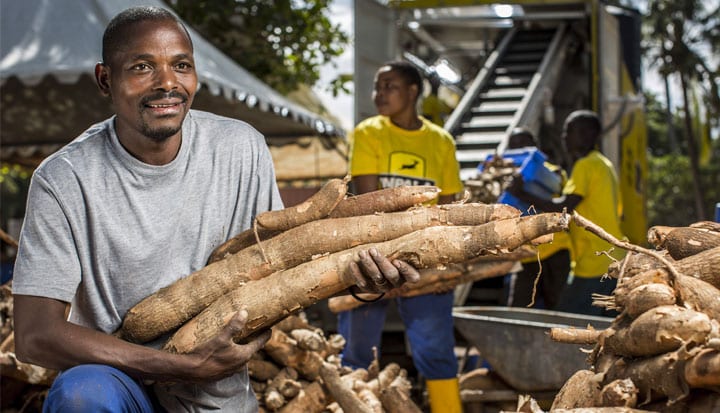
SABMiller plc, which combined with AB InBev in October 2016, has been a pioneer in promoting local sourcing in Africa. Many of the company’s subsidiaries in Africa have created new brands and brewing processes which incorporate locally grown crops such as sorghum and cassava. This is based on a win-win-win model where: Local businesses can […]
Share your Views: Mapping the Oil and Gas Industry to the SDGs

The United Nations Development Programme (UNDP), the International Finance Corporation (IFC), and IPIECA (the global oil and gas industry association for environmental and social issues) have released for public comment a draft report: Mapping the Oil and Gas Industry to the Sustainable Development Goals: An Atlas. The 2030 Agenda for Sustainable Development and its 17 […]
The Kellogg Company’s Smallholder Sourcing

Kellogg has set bold sustainability and emerging markets growth targets, including supporting the livelihoods of 500,000 farmers and doubling its emerging market sales by 2020. The company recognizes the great potential that developing smallholder-inclusive agricultural supply chains in emerging markets could have in supporting these business and social impact objectives. Sustainability groups across many multinational […]
The Coca-Cola Company and India’s Mango Farmers
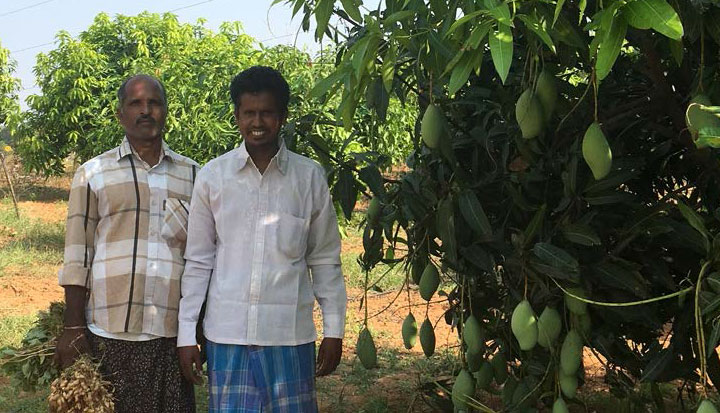
A typical smallholder mango farmer in India earns between just $4 and $16 per day. One of the reasons is that they have trouble accessing stable, profitable markets for their crops. Meanwhile, international corporations, like The Coca-Cola Company (TCCC), view smallholder sourcing as an important part of their long-term goals; beyond its potential to generate […]
Designing Win-Win Relationships between Business and Smallholders
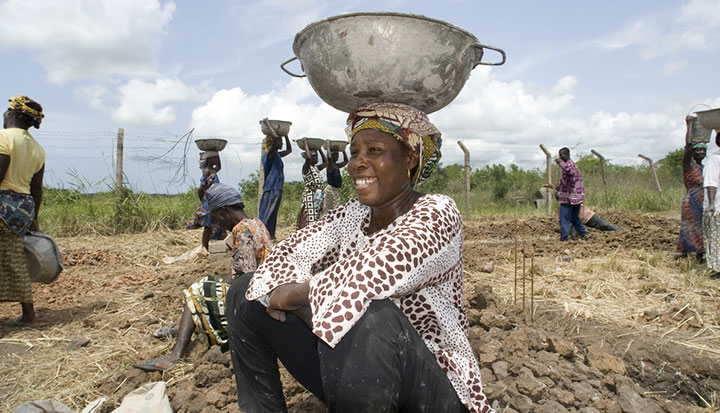
Around the globe, there are about 200 million smallholder farmers involved in commercial supply chains. And while many multinational corporations have made commitments to increase their investments in sustainable supply chains and distribution models that engage these smallholders, these initiatives have often struggled to gain real traction. That observation spurred a unique partnership: with support […]
Strategic Ideas for Investing in NGOs Innovation

Kickstarting the year for Bond’s Futures and Innovation Group “real world innovation” meeting series, James Whitehead, Oxfam’s global innovation adviser, held a fantastic session on business model innovation at Oxfam GB last week. Breaking the mould of secrecy and competitive thinking among INGOs, James used the session to share Oxfam’s exciting challenge for the next […]
Finding Better Ways to Prepare for Future Health Threats
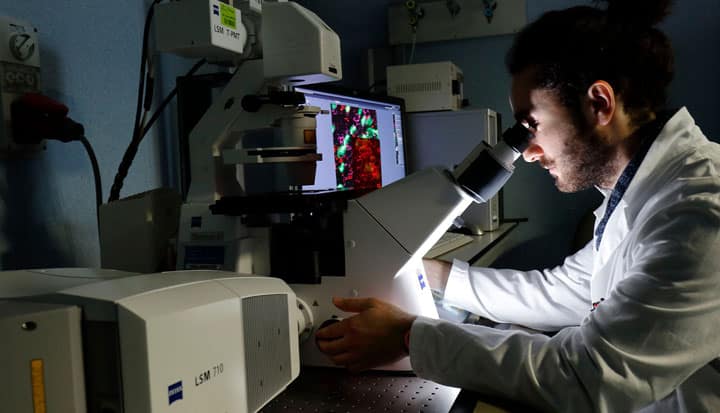
Ebola, Zika, SARS and the return of avian flu to the headlines this week are reminders that the threat of a new epidemic is never far away. With increased air travel and populations on the move, it doesn’t take long for a virus to spread between countries and jump across continents, with potentially catastrophic results. […]
Urban Health in Africa: Advancing Multi-disciplinary Approaches
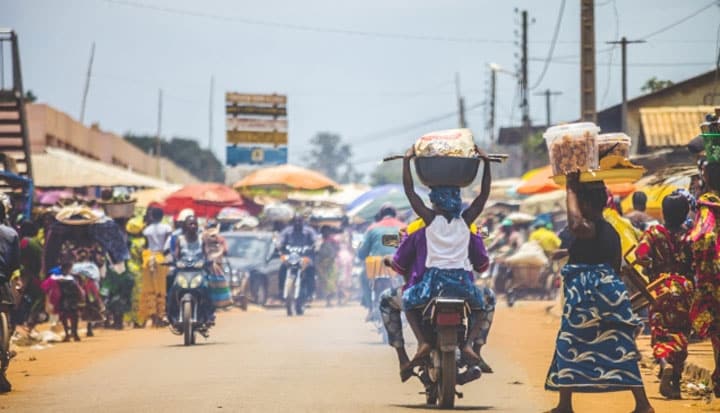
Rapid urbanization in low- and middle-income countries is having a significant impact on the health and wellbeing on the world’s population. Healthcare services in growing cities are struggling, and are already swamped with ongoing challenges like infectious diseases. They have limited time or resources to tackle chronic diseases like high blood pressure, which are often […]
New Evidence Supporting the Business Case for Investing in Female Garment Workers
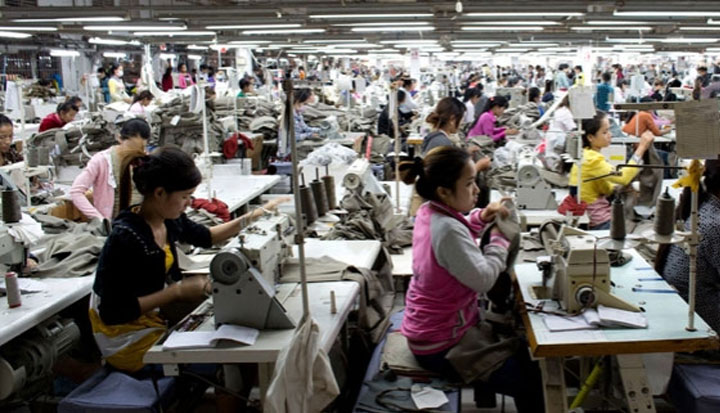
CARE’s programmes on dignified work have for a number of years included training sessions for women in factories. Recent research provides further evidence, backing up our own findings, that investing in training for women workers makes good business sense for factory owners. A key initiative that we have been involved in implementing has been the […]
Sustainable Business Leadership in 2017: Game On

At the start of last year, we were still riding the highs of 2015, which saw important progress on sustainable business. The year just past, 2016, for multiple reasons, was less positive. How will 2017 break the tie? Let’s start by looking back to where we were a year ago. Here’s the good news: The […]
Making DFID’s Economic Development Strategy Work for Women
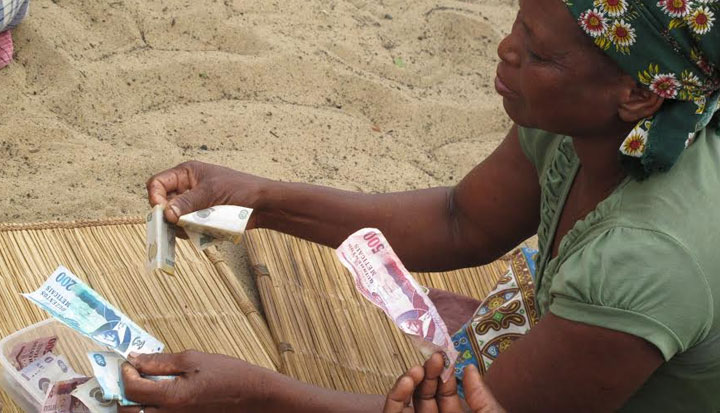
CARE firmly believes that inclusive economic development is at the core of eliminating extreme poverty and injustice. So we welcome DFID’s focus on this agenda and their long-awaited strategy, published this week. What we are most concerned about now, though, is how it will deliver for the world’s poorest women. We should be cautious about […]
Better Together: Unleashing the Power of the Private Sector to Tackle NCDs
Why Human-Centred Design is Critical to Preparing for Global Health Epidemics
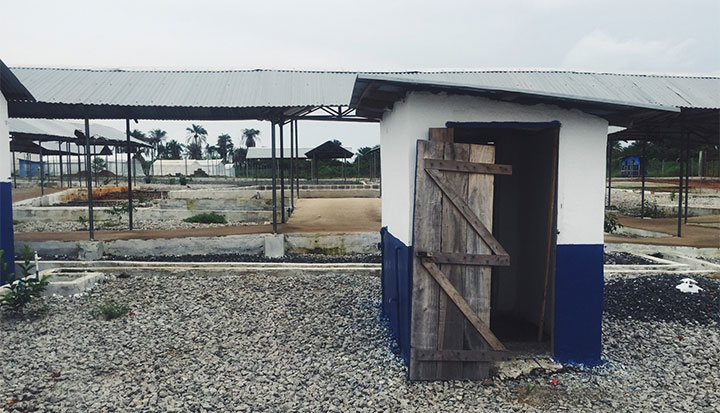
With the announcement of a viable Ebola vaccine coming almost three years after the Ebola outbreak began, questions around how prepared we are to fight future pandemics remain unanswered. The vaccine stands out as one of the only concrete advancements made towards preventing future Ebola outbreaks. Globally, too little has been done to learn from […]