How Early Climate Action Cuts Costs, Saves Lives and Builds Resilience
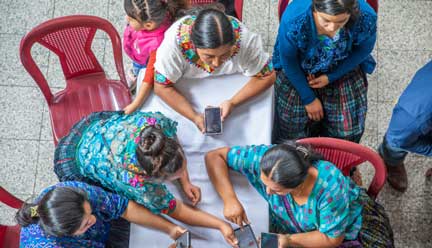
Around the world, 3.6 billion people are climate-vulnerable, with the majority being women. As the climate crisis intensifies, it is no longer a question of if but when these communities will experience a climate emergency. Last year, USD $223.7 billion was globally given as aid, an amount comparable to the annual GDP of New Zealand, […]
How We Can Support More of the World’s Smallholders to Farm Sustainably
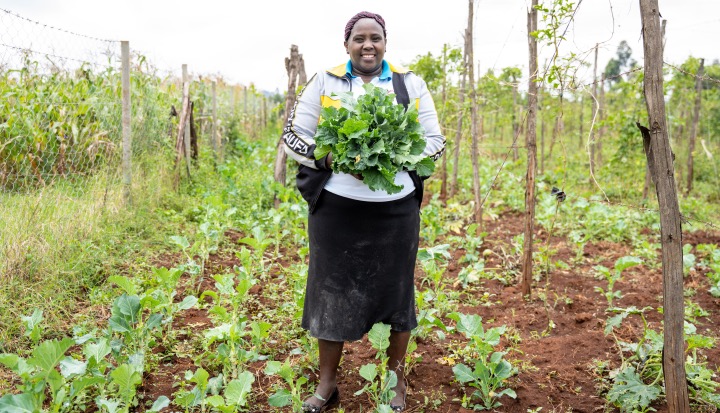
Growing the Movement for Change For smallholder farmers battling soils degraded by chemical fertilisers, pesticides and intensive farming, regenerative agriculture offers a solution that can improve soil health, increase resilience to climate change, and address rural poverty. In partnership with the IKEA Foundation, Hand in Hand worked with almost 2,000 Kenyan smallholders to transition their […]
Working with Farmers to Respond to the Climate Crisis
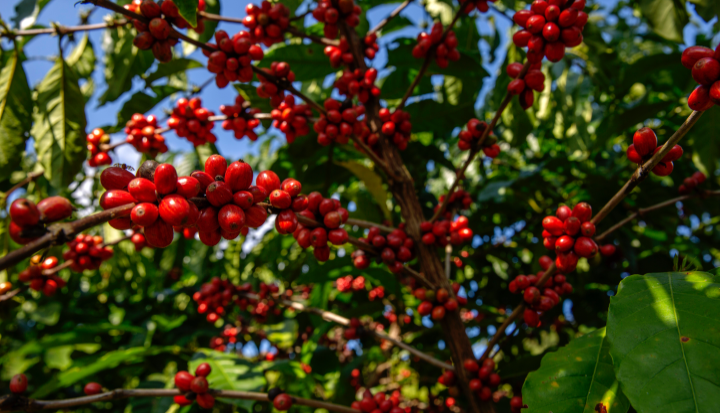
Working with farmers to respond to the climate crisis: 5 key learnings for climate mitigation and adaptation programmes in supply chains “There has been of late long dry spells which have affected my coffee farm, hence I have been using a lot of money to buy inputs,” Naftery Kinyua, a coffee farmer from Kenya told […]
Extreme Heat, Workers’ Rights and the Power of Collaborative Action
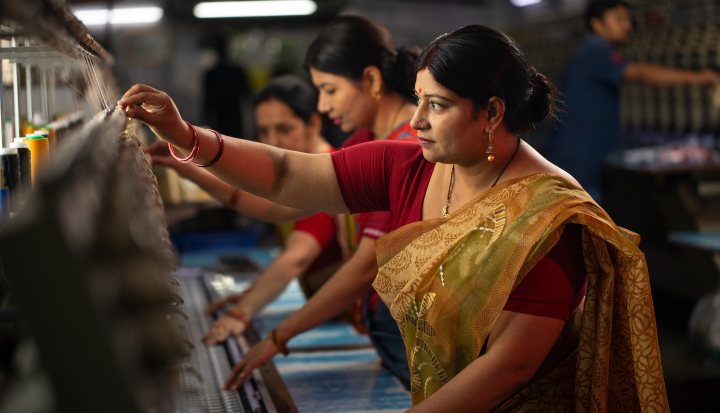
Whilst the great and the good of climate policy meet in Baku, Azerbaijan for COP29, and as LinkedIn and Twitter feeds begin to overflow with a frenetic hubbub of updates, insights and arguments, breathe deeply and take a few minutes to immerse yourself in a different reality. A reality that at first glance may seem […]
Women-led Climate Solutions for Resilient Communities
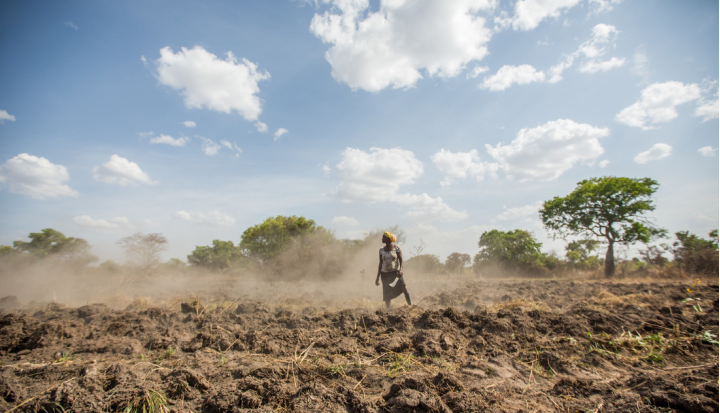
“My message to the world: I want to tell people to stop wasting resources and I would like to find an opportunity to teach them the importance of managing resources such as water. In as much as men and women are all affected by the drought, women are more affected. … If [my child] comes […]
Investing in Better Housing can Build the Resilience of 40% of the World’s Population

Global investment is falling well short of the needs of those living in vulnerable housing. Current estimates predict an annual need of $3 to 4 trillion globally to achieve adequate housing for all, which will be particularly important for the 1 billion people living in informal housing. Those living in informal housing – that is, […]
Strengthening Gender Equity in the Voluntary Carbon Market
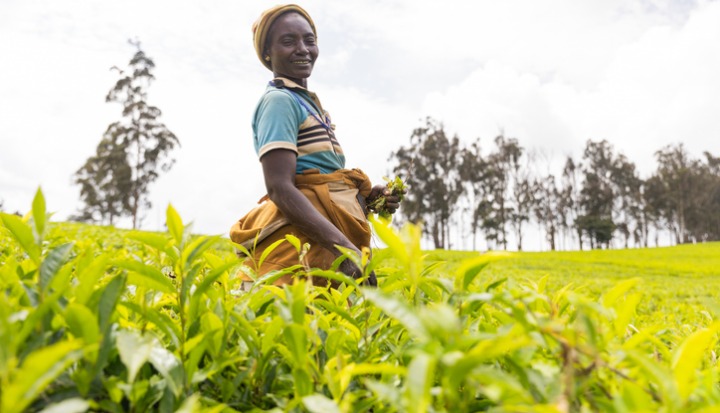
Integrating gender equity into the Voluntary Carbon Market (VCM) is essential for achieving environmental and social sustainability. At the heart of this discussion is the question: How can carbon credit quality be improved, whilst also driving benefit for the planet and the people most affected by climate change? Integrating gender equity into carbon credit initiatives […]
Empowering the Next Generation: The Future of Youth Entrepreneurship

At Youth Business International (YBI), the only organisation dedicated to youth entrepreneurship on a global scale, we believe that young entrepreneurs are not just the leaders of tomorrow, they’re the changemakers of today. In our rapidly evolving world, young people are stepping up as innovators, driving social change, and forging paths in entrepreneurship like never […]
Boosting Smallholder Farmer Incomes Requires an Innovative Data-Driven Approach
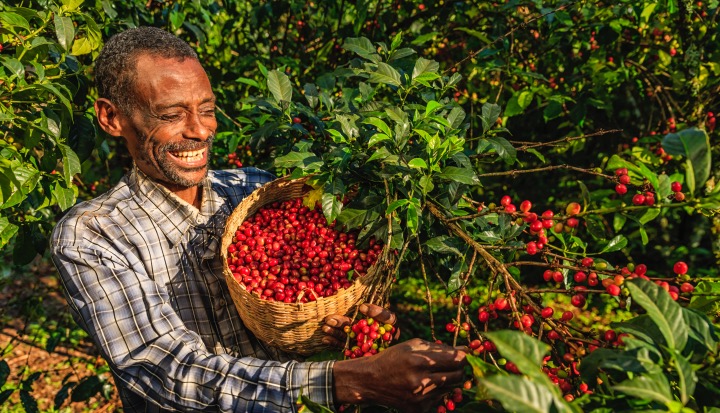
The Challenges Facing Farmers Today Smallholder farmers are essential to the global food supply, producing up to 80% of the food consumed in much of the developing world. Yet many of these farmers live below the poverty line due to a combination of factors, including rising production costs, inefficient farming techniques, and pricing models that do not […]
How Can Businesses Harness the Power of Plants to Solve the Global Malnutrition Crisis?
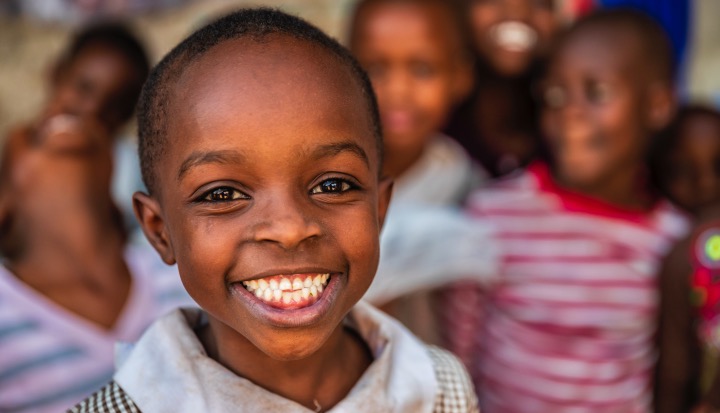
Recent estimates show that 45 million children under the age of five are suffering from severe acute malnutrition (SAM), the deadliest form of malnutrition, globally. Reports also suggest that the world is not on track to reach any of the seven global nutrition targets by 2030. In many countries across Africa, hunger is still on […]
From Waste to Wonder: Empowering Global Education and Transforming Lives
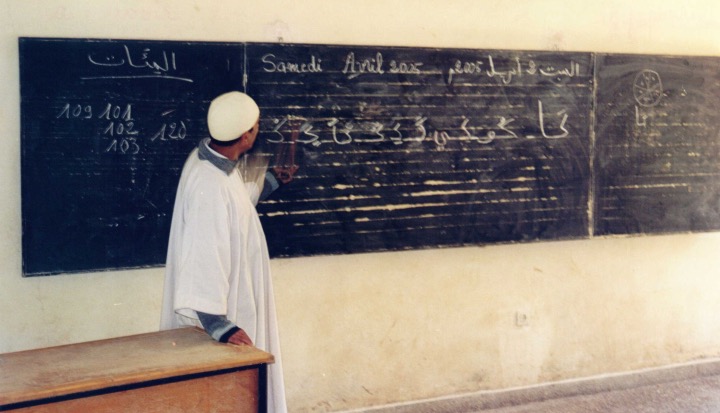
Redefining Waste: Turning Corporate Surplus into Lifelines for Communities in Need In today’s world, where the effects of climate change and social inequality are increasingly evident, the need for innovative and sustainable solutions is more critical than ever. Environmental degradation and the widening gap between social inequalities pose significant challenges to our collective future. Waste […]
Harnessing the Power of Women Entrepreneurs can be a Game- Changer for Prosperity and Economic Growth
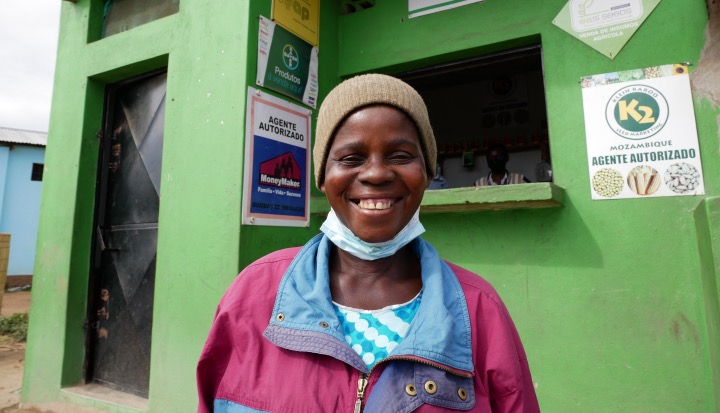
Based on the evidence and experience, iDE is dramatically scaling up its work with women entrepreneurs Flora Mostiço is a change agent in her community. At her market store, in Mozambique’s Beira Corridor, the mother of six sells affordable agricultural supplies including high quality seeds, fertilizer, and water pumps. Despite repeated cyclones that devastated the […]
How Businesses Can Meet EU Deforestation Regulation: Innovative Solutions for Supply Chain Transparency

Trade in commodities linked with deforestation poses significant environmental and social challenges. According to The Accountability Framework initiative (AFi) and CDP 2024 report Time for Transparency, land clearance for agriculture accounts for over 10 percent of human-caused greenhouse gas emissions and is linked to at least a third of global biodiversity loss. When forests are cleared, […]
What 3,000 Farmers Told Us About Wellbeing in the Coffee Supply Chain
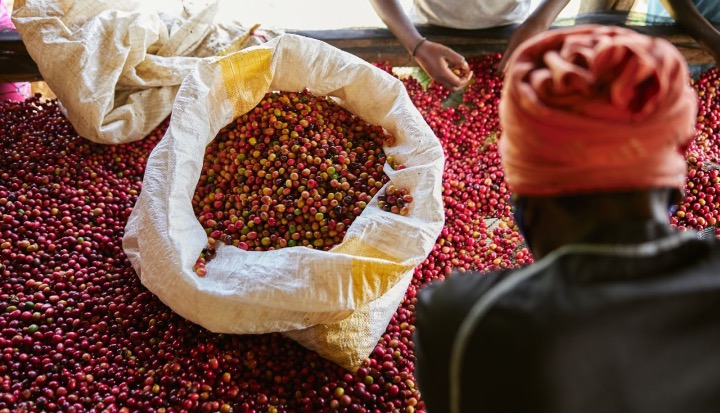
The global coffee industry, worth billions of dollars, relies on millions of smallholder farmers. Yet, how much do we really know about their lives and challenges? A plethora of foundations, NGOs, and coffee companies collectively invest millions of dollars in programs and certifications aimed at improving the lives of these farmers. Platforms like the Sustainable […]
Rising Extremism in Africa Requires New Approach
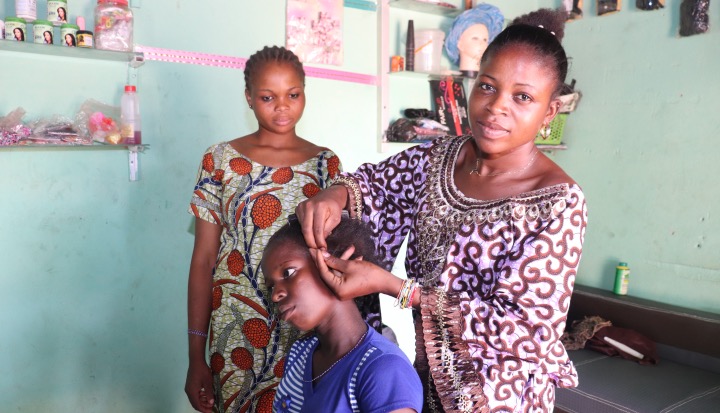
The growing power of violent extremist groups in Africa requires cross-sector solutions that go beyond military action. Africa now accounts for nearly half of all global deaths from terrorism each year. Benin–one of the countries where our organization, TechnoServe, works–experienced two security incidents during 2019. In the first half of 2023 alone, the country experienced […]
How Digital Wages Can Contribute to the Living Wage Agenda
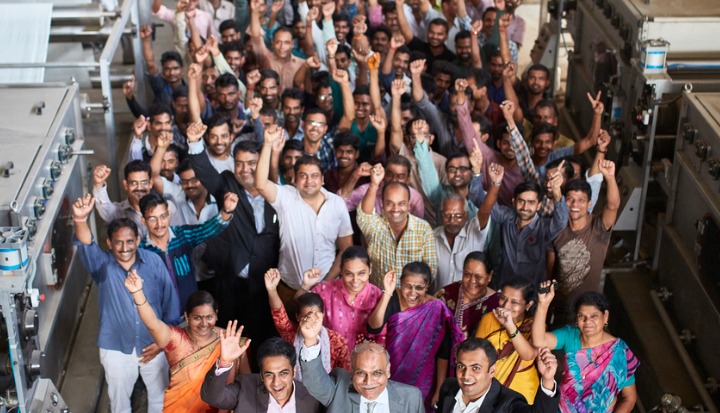
Today, it’s estimated that over a billion workers worldwide – about 1/3 of the global workforce –earn less than they need to afford a decent standard of living. A living wage is defined by the International Labor Organization (ILO) as a level of pay that gives workers and their families a decent standard of living. […]
Philanthropy as a Catalyst for Change: Lessons From the G20

In late July, finance leaders of the world’s major economies gathered in Rio De Janeiro, Brazil, for the G20 Finance Ministers and Central Bank Governors Meeting. There, they pledged for the first time to cooperate to ensure that the super-rich are effectively taxed: a move that attracted headlines in the global media. This unprecedented declaration on taxing wealth […]
From Carbon to Cash: The Climate Innovations Raising Smallholder Farmers’ Incomes
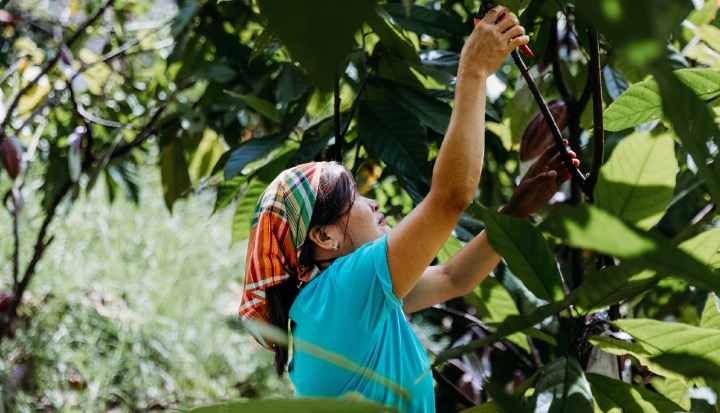
There are an estimated 600 million smallholder farmers around the world who are working to produce one-third of our global food supply. As climate challenges increase, these farmers are disproportionately affected by changing weather and rising temperatures that lead to increased droughts, erosion, pests, and disease. The stakes are high – both for keeping people […]
Afro-futurist Innovators Know What We Should Build Next
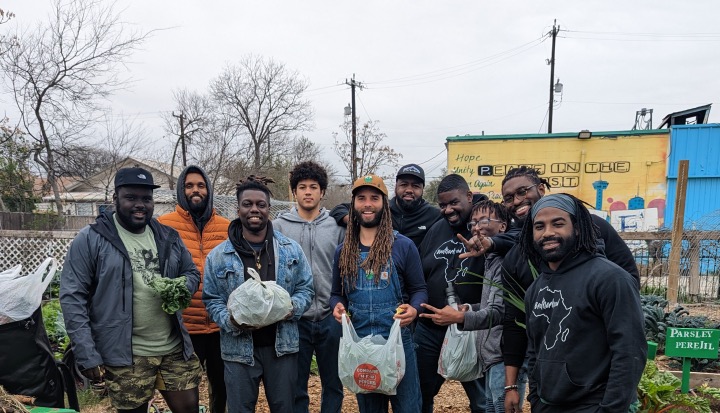
How might philanthropy shift if we framed Black economic mobility as an inherent right and a collective responsibility? Might we, as funders, abandon “risk” terminology to automatically recognize Black, African, and diaspora founders’ expertise and authority? Might we trust Black and diaspora leaders’ advocacy of their communities’ real needs, widely supporting proximate leaders to author […]
Off-Grid Success: Solar Chilling Fuels Produce Supply For Women Farmers In Malawi
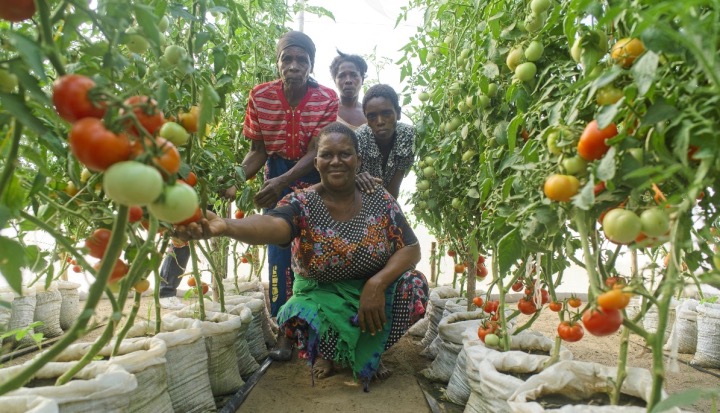
Lack of refrigeration and access to markets means Malawian farmers lose up to half of their produce to post-harvest loss – this was one of the main factors driving the Renewable Energy for Agriculture project run by Practical Action and our partners in northern Malawi. The work has levelled the playing field for rural women […]